India has underlined the importance of maritime security in the Strait of Hormuz amid escalating tensions in the Middle East. Prime Minister Narendra Modi’s calls with Gulf leaders come as fears grow over disruption to global energy supplies…reports Asian Lite News
Prime Minister Narendra Modi said on Wednesday that ensuring “safe and free” navigation through the Strait of Hormuz was the “foremost priority” after speaking to Kuwaiti Crown Prince Sheikh Sabah Al-Khaled Al-Hamad Al-Mubarak Al-Sabah, as concerns mount over the stability of a key global shipping route.
The two leaders discussed the evolving situation in the Middle East during a telephone conversation, with Modi later stating on US social media company X that they “shared concerns over recent developments.” The exchange comes against a backdrop of heightened regional tensions and growing international unease over the potential economic fallout.
In his remarks following the call, Modi also “reiterated India’s condemnation of attacks on Kuwait’s sovereignty and territorial integrity.” He added: “Ensuring safe and free navigation through the Strait of Hormuz remains our foremost priority.” The emphasis reflects India’s strategic interest in the uninterrupted flow of energy supplies, much of which transits through the narrow waterway.
Both sides agreed that “sustained diplomatic engagement remains essential for regional peace and stability,” signalling a shared preference for dialogue amid escalating hostilities. The conversation is part of a broader series of diplomatic contacts by New Delhi with key Gulf partners as the situation continues to develop.
Earlier on Tuesday, Modi spoke by phone with UAE President Sheikh Mohamed bin Zayed Al Nahyan. During that call, both leaders agreed on the importance of ensuring “safe and secure” navigation through the Strait of Hormuz, reinforcing a consistent message from India on maritime security and regional stability.
Tensions in the Middle East remain high since the US and Israel initiated a large-scale military campaign against Iran, so far killing more than 1,300 people, including then-Supreme Leader Ali Khamenei. The conflict has widened in scope, drawing in multiple actors and raising concerns about further escalation.
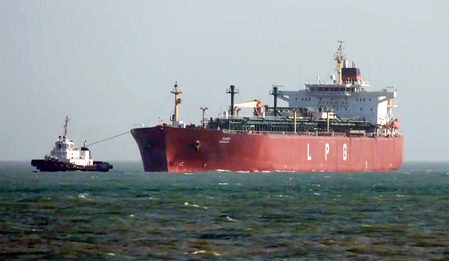
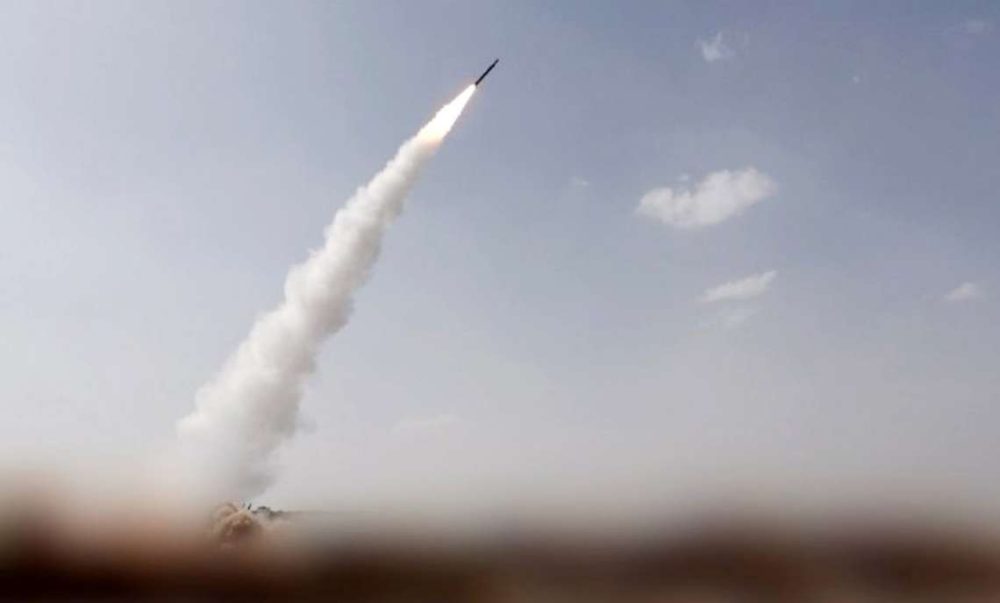
Iran has retaliated with drone and missile strikes targeting Israel, Jordan, Iraq, and Gulf countries hosting US military assets. Tehran has also taken de facto control of the Strait of Hormuz, a critical waterway for global energy supplies, intensifying fears of disruption to international shipping.
Before the conflict, about 20 million barrels of oil passed through the strait daily, underlining its central role in global energy markets. Any sustained disruption has significant implications for oil prices and supply chains, with recent developments already pushing prices higher.
India, one of the world’s largest energy importers, has a direct stake in maintaining stability in the region and ensuring that vital sea lanes remain open. Its diplomatic outreach to Gulf nations highlights the interconnected nature of regional security and global economic stability, as well as the importance of coordinated efforts to prevent further deterioration of the situation.