India has denied claims of a blanket exemption for its ships in the Strait of Hormuz amid rising tensions and domestic gas shortages. The government faces growing scrutiny over energy security and foreign policy as naval escorts are deployed to safeguard supply routes…reports Asian Lite News
Amid rising tensions in the Gulf and growing domestic concern over gas shortages, questions have emerged around India’s energy security and its handling of maritime risks in the Strait of Hormuz. Reports circulated by sections of the Indian media in recent days suggested that Iran had granted Indian-flagged vessels a blanket exemption from a reported blockade in the strategic waterway. The claims gained traction at a time when the Indian Navy had deployed warship task forces to escort merchant vessels, drawing further attention to the issue.
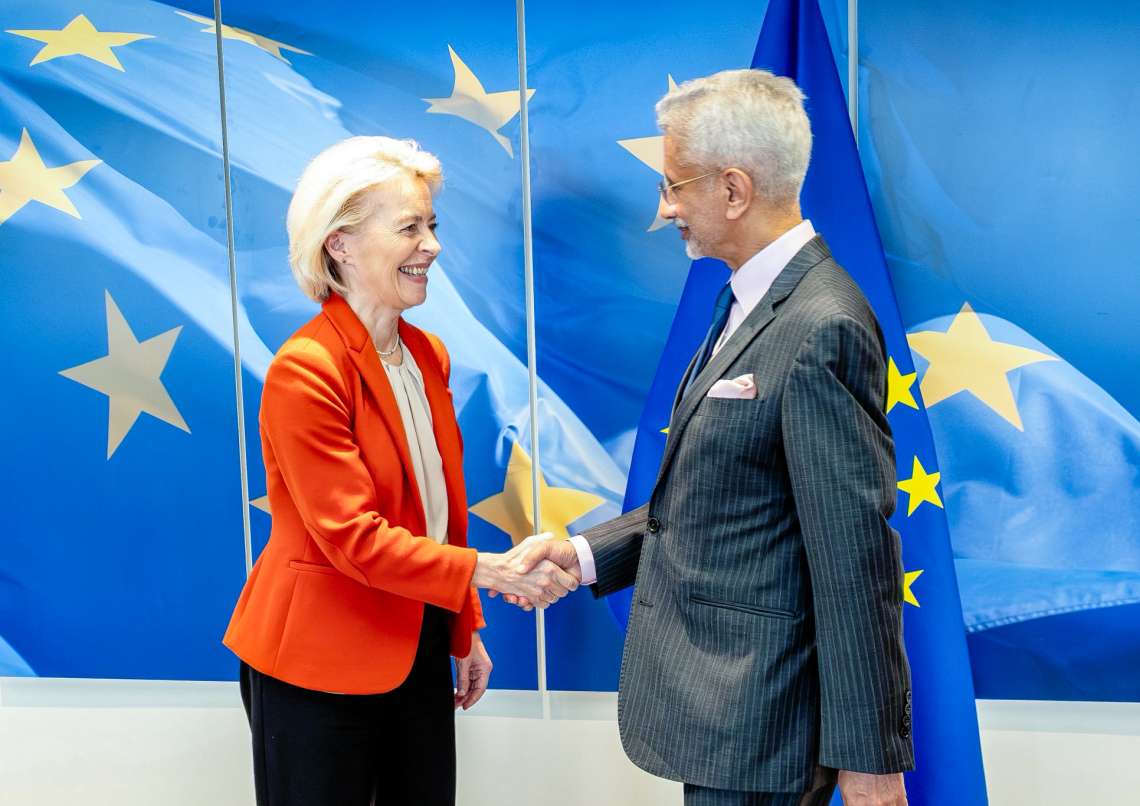
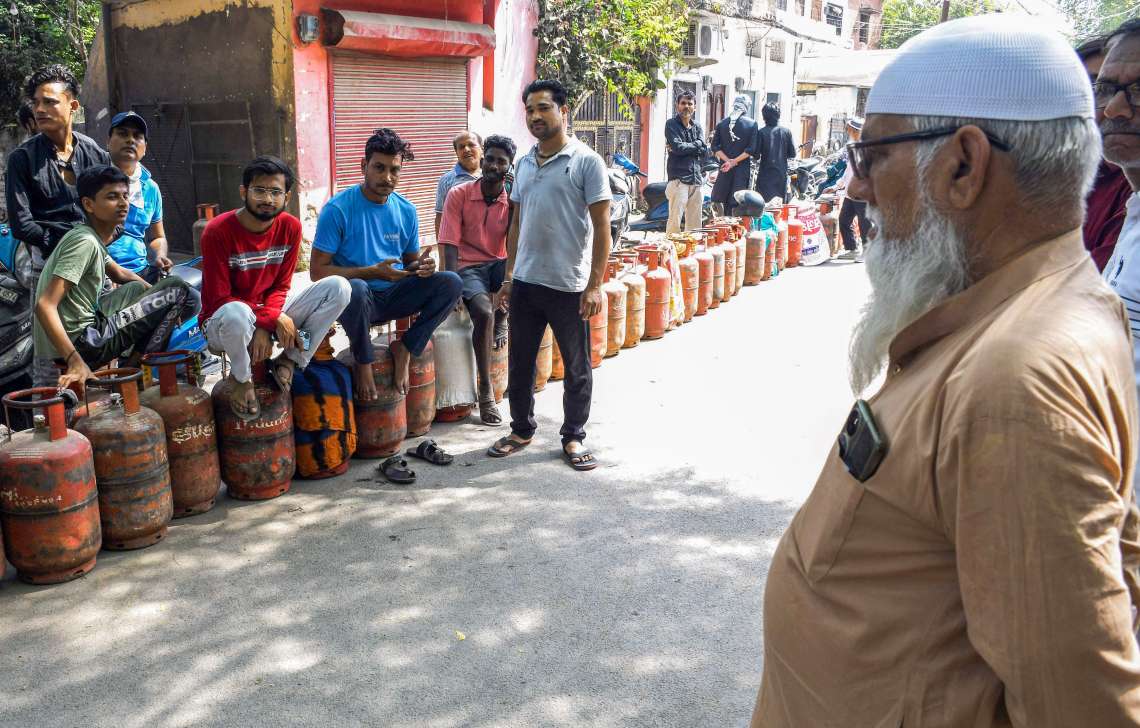
India’s External Affairs Minister S. Jaishankar has rejected the assertion of any such blanket arrangement. In an interview, he clarified that no general exemption exists for Indian ships and emphasised that each vessel’s passage through the Strait is subject to negotiation. His remarks come amid heightened public anxiety over energy supplies, as gas shortages continue to affect parts of the country.
The situation has also prompted political questions about how information related to the crisis is handled. With India heavily dependent on West Asian countries for oil and gas imports and possessing limited storage capacity, supply disruptions have quickly translated into public frustration. The circulation of claims about preferential treatment for Indian vessels has therefore drawn scrutiny, particularly as shortages persist.
India has historically maintained a balancing approach in its foreign policy in West Asia, seeking to preserve ties across competing regional interests. However, under Prime Minister Narendra Modi, the country’s alignment with the United States and Israel has been seen by some observers as more pronounced. Following recent military actions involving these countries, India’s response to developments in Iran has been limited, complicating its diplomatic positioning.
The cessation of Iranian oil imports by India in 2019 marked a significant shift in bilateral ties and has had lasting implications for its energy strategy. In the current context, India’s absence from the ongoing Iran-related tensions stands in contrast to reports that vessels from other countries, including China and Bangladesh, have been able to navigate the Strait with fewer restrictions. These reports have not been independently verified in all cases, but have contributed to perceptions of uneven access.
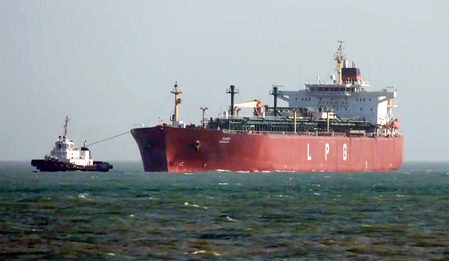
At sea, the Indian Navy has taken an active role in ensuring the safety of commercial shipping. Task forces deployed to the Gulf are escorting vessels carrying critical energy supplies through what is regarded as one of the world’s most sensitive maritime corridors. According to reports, at least one Indian liquefied petroleum gas tanker has reached Mundra Port safely under naval protection, with additional shipments expected.
The developments highlight the challenges India faces in securing reliable energy supplies while navigating a complex geopolitical environment. As dependence on imports continues, the need to manage both diplomatic relationships and logistical risks remains pressing. The situation has also underscored the importance of clear communication from authorities, as public concern over supply stability and policy direction continues to grow.