Washington says it is working with governments around the world to find safe destinations for Afghan allies awaiting relocation…reports Asian Lite News Desk
The United States is seeking third-country resettlement options for Afghan allies stranded abroad, including thousands currently in Pakistan, as the Trump administration reviews relocation policies for those who supported American military and diplomatic missions during the two-decade war in Afghanistan.
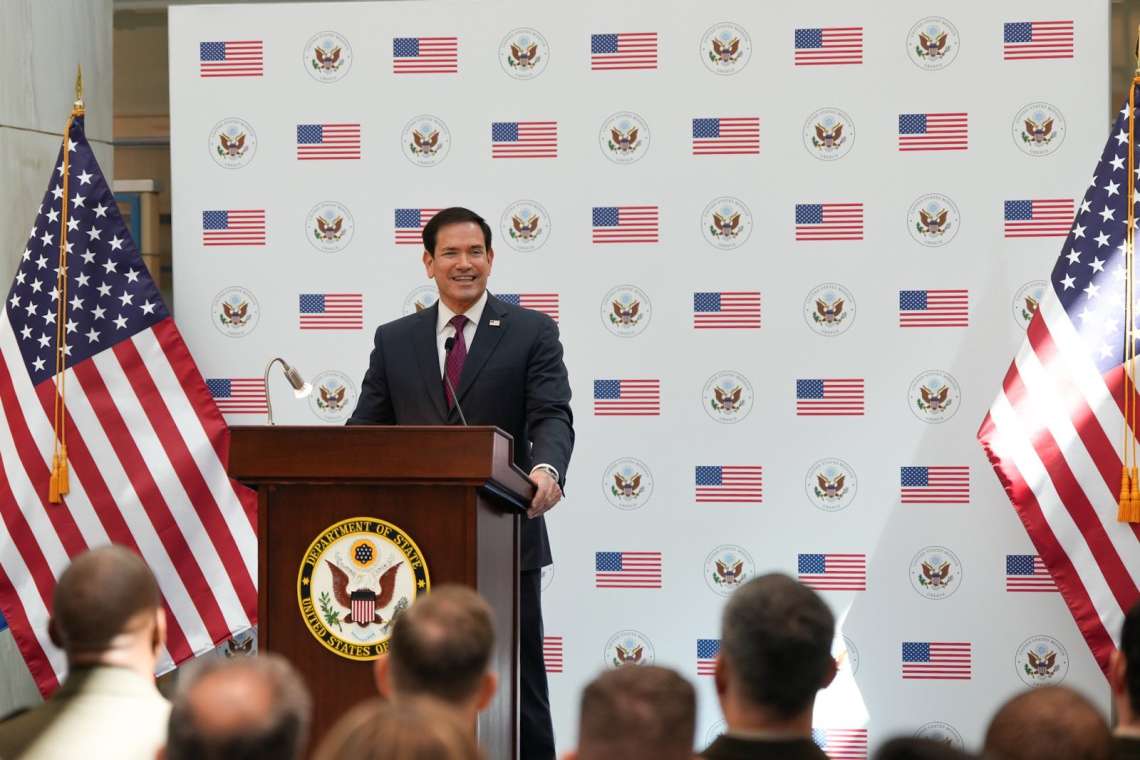
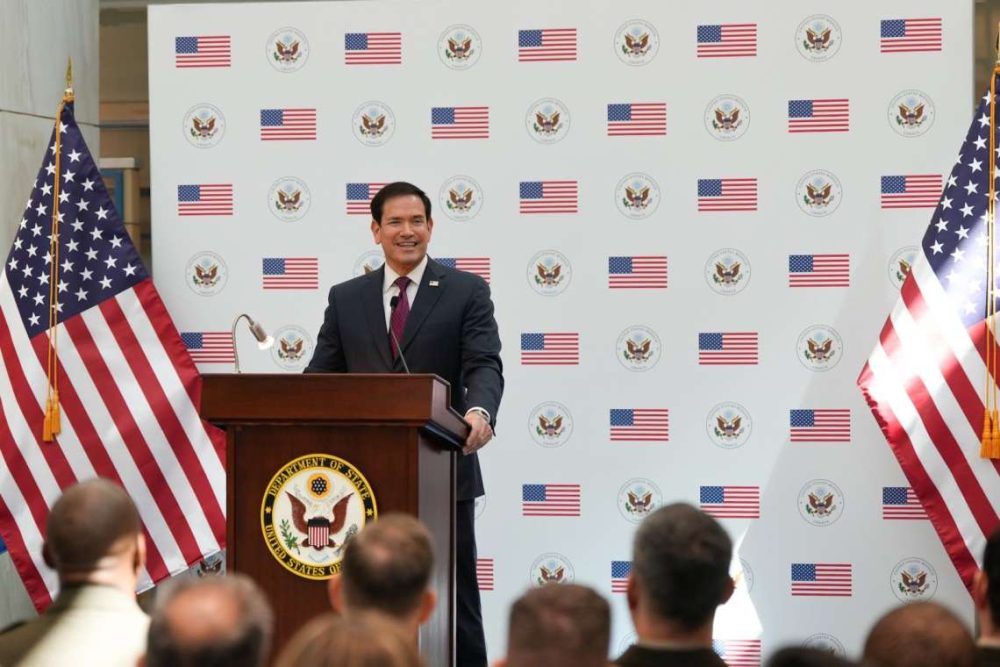
US Secretary of State Marco Rubio outlined the administration’s approach during a hearing before the House Foreign Affairs Committee on Wednesday, amid concerns over the future of Afghans awaiting relocation after assisting US forces.
The issue was raised by Representative Julie Johnson, who criticised the administration’s handling of Afghan refugees and former allies. She argued that many Afghans who worked alongside American troops, diplomats and contractors now face uncertainty despite commitments made by Washington during and after the conflict.
Johnson said the State Department had dismantled the Office of the Coordinator for Afghan Relocation Efforts and halted visa processing for Afghan allies, warning that such actions could damage America’s credibility with future partners around the world.
Responding to the criticism, Rubio sought to reassure lawmakers that Afghan allies would not be returned to Taliban ruled Afghanistan.
“Right now, that’s not anyone’s plan,” Rubio said when asked whether Afghan applicants could be sent back.
Instead, he said the administration was working to identify safe alternative destinations for those awaiting resettlement.
“I think the plan is to find a third safe country where they can go to that they’re comfortable and choosing voluntarily to go there,” Rubio told the committee.
The Secretary said Washington was actively engaging with governments worldwide in an effort to secure additional resettlement opportunities.
“We’re looking for more and more countries to step forward and assume it,” he said.
Rubio acknowledged that existing US immigration policies and executive actions had complicated efforts to bring additional Afghan applicants directly into the United States. However, he stressed that officials continued to process applications and ensure documentation remained in order while alternative options were explored.
“We continue to process the folks that are applying so that their paperwork is in order,” he said.
The administration, Rubio added, does not want Afghan allies left in prolonged uncertainty.
“We don’t want them stranded forever where they are,” he said.
According to Rubio, several countries have already indicated a willingness to accept some Afghan applicants.
“We want them to be able to go to somewhere that’s not Afghanistan that they choose to want to go to, and that are welcoming of them,” he said.
Pressed on whether applicants could be required to relocate to countries they did not wish to move to, Rubio said the objective was to provide multiple options rather than impose destinations.
“We don’t want to force anybody,” he said. “We want to have multiple countries so they can choose.”
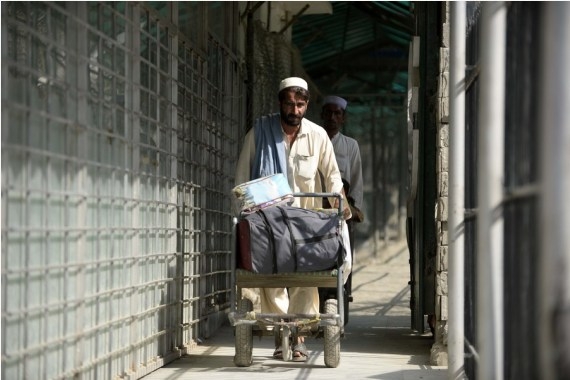
The issue is particularly significant for Pakistan, where thousands of Afghan Special Immigrant Visa applicants and other refugees have remained while awaiting decisions on relocation. Many previously served as interpreters, advisers, contractors or support staff for US military and diplomatic missions before the Taliban returned to power in Afghanistan in August 2021.