Amnesty International has accused Pakistani authorities of carrying out mass arrests, internet shutdowns and a violent crackdown on protesters in Pakistan administered Jammu and Kashmir….reports Asian Lite News Desk
Amnesty International has accused Pakistani authorities of carrying out a sweeping crackdown on protesters and activists in Pakistan administered Jammu and Kashmir, alleging widespread human rights violations, including mass arrests, internet shutdowns and the excessive use of force that resulted in multiple deaths.
In a statement released on Tuesday, the rights organisation expressed concern over the designation of the Jammu and Kashmir Joint Awami Action Committee (JKJAAC) as a “proscribed organisation” under the Azad Jammu and Kashmir Anti Terrorism Act, 2014. The JKJAAC is a grassroots movement that has campaigned for political and economic reforms in the region.
The move came days before a planned protest by the group after negotiations with the government over the composition of the regional legislature broke down.
Amnesty International’s Deputy Regional Director for South Asia, Isabelle Lassee, criticised the decision, saying the use of anti terrorism laws against a grassroots organisation raised serious concerns about freedom of association and civil liberties.
“Branding a grassroots organisation as terrorist on vague grounds, while simultaneously cutting the region off from the outside world, raises serious concerns regarding the Pakistani authorities’ conduct and their disregard for human rights,” Lassee said.
The organisation also criticised the suspension of internet and mobile services across the region from June 5 to June 12, which coincided with preparations for regional elections scheduled for July 27 and a protest called by the JKJAAC on June 9.
According to Amnesty, authorities also advised outsiders and tourists to avoid travelling to the region and reportedly deployed federal paramilitary forces, measures that activists claimed effectively isolated the territory and restricted the flow of information.
The rights group highlighted the arrest of journalist Sohrab Barkat, who was detained under provisions of Pakistan’s Prevention of Electronic Crimes Act. Authorities accused him of promoting and endorsing the JKJAAC through content published on his YouTube channel.
Amnesty further alleged that more than 100 individuals associated with the organisation were arrested on June 6 and 7, while the group’s central office in Muzaffarabad was raided and sealed by police.
The organisation also raised concerns over the death of JKJAAC activist Shahzeb Habib, who was reportedly shot during an encounter with police on June 5. Amnesty said there was no indication that Habib posed an imminent threat to officers at the time of the shooting and called for an independent investigation into the circumstances surrounding his death.
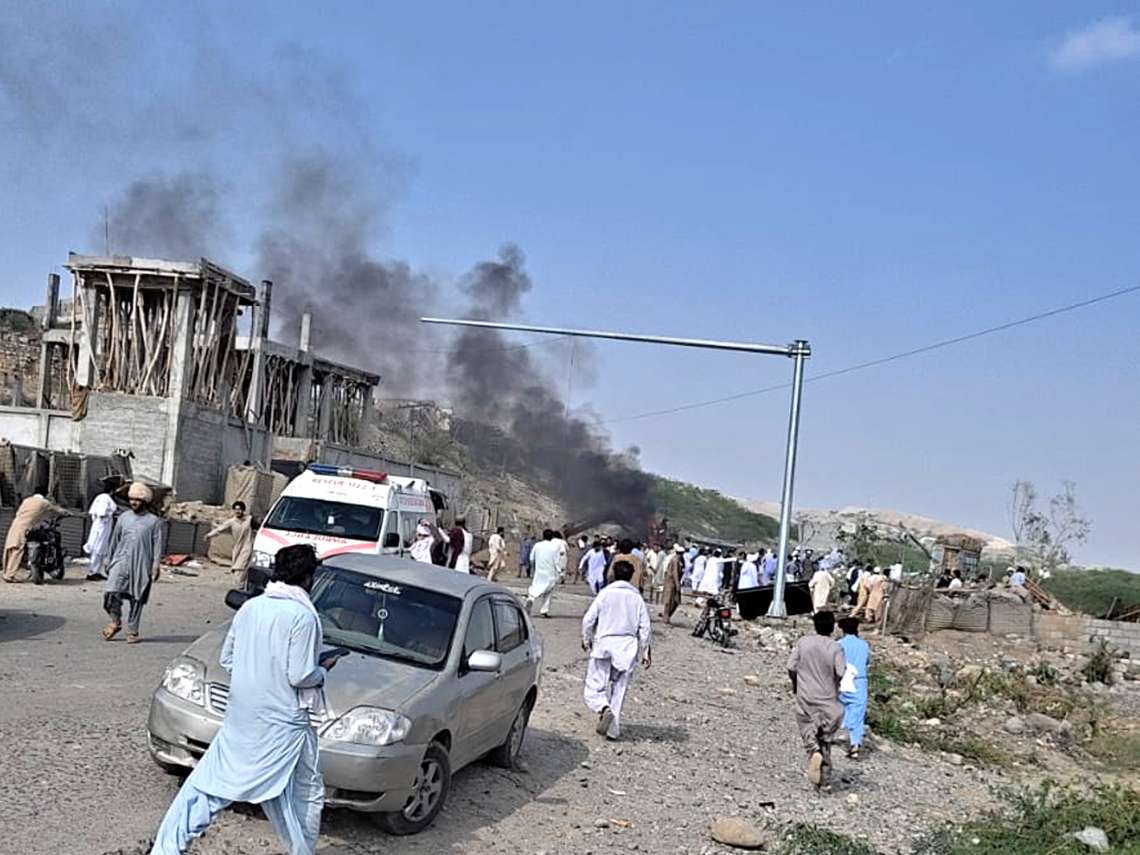
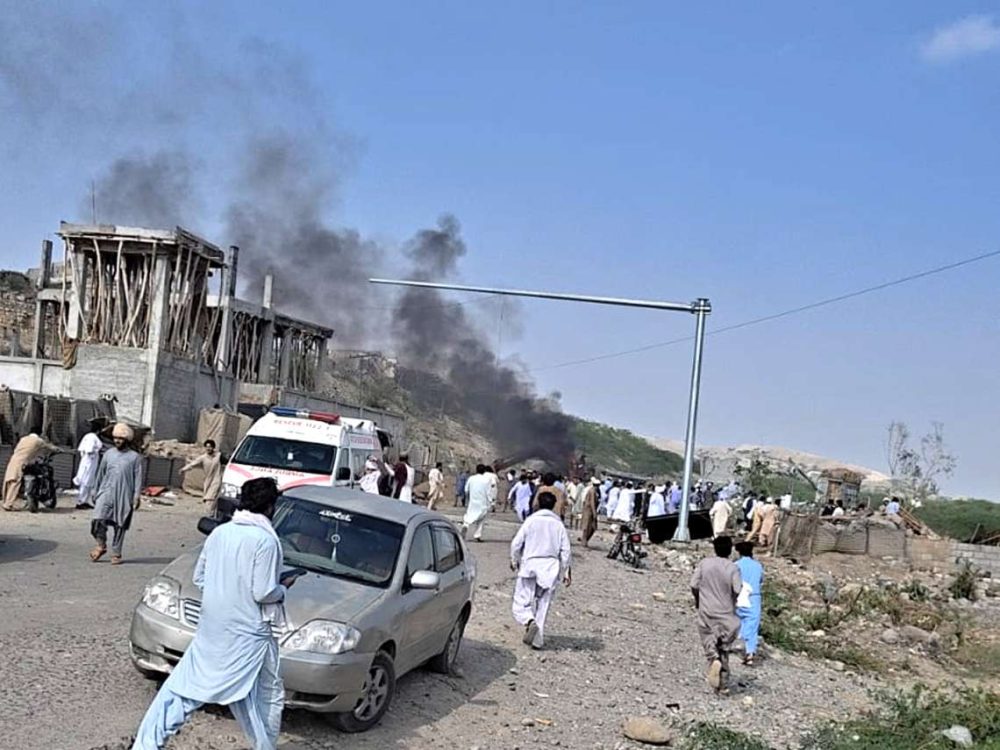
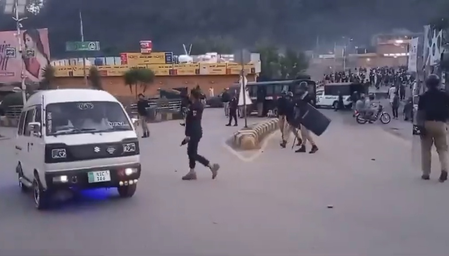
Tensions escalated further on June 7 when clashes erupted outside a military hospital in Rawalakot, where Habib’s body had been taken for a post mortem examination. According to police figures cited by Amnesty, at least eight protesters and four police officers were killed during the violence, while dozens of others were injured.
Calling the situation deeply alarming, Amnesty urged Pakistani authorities to conduct impartial investigations into all reported deaths, including those of protesters and police personnel, and ensure accountability in line with international human rights standards.
The organisation also called on Islamabad to de escalate tensions, lift restrictions on peaceful assembly and association, and revoke the ban on the JKJAAC ahead of the upcoming regional elections.
The latest unrest follows previous confrontations between the JKJAAC and authorities. Amnesty noted that protests in 2024 and 2025 also resulted in fatalities and injuries, raising recurring concerns over the use of force and restrictions on civil liberties in the region.