Armed men killed at least 38 people in the village of Dutse Dan Ajiya in Nigeria’s Zamfara State in an overnight attack…reports Asian Lite News
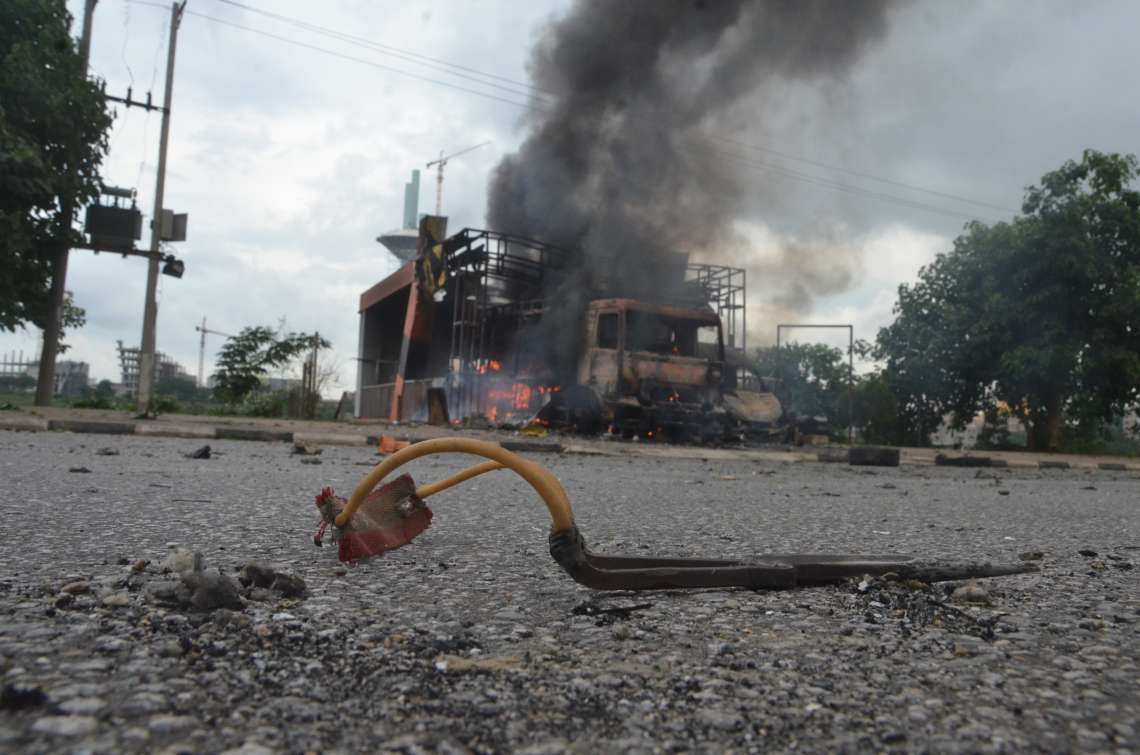
At least 38 people were killed when armed men launched a coordinated attack on the village of Dutse Dan Ajiya in Zamfara State in north-western Nigeria on the night of Thursday into Friday, local police and authorities confirmed on Saturday. The assault underscored the entrenched security challenges afflicting the region, where violence emanates from multiple sources including armed criminal gangs known locally as “bandits” who raid villages and abduct residents, and militant groups gradually extending their operational reach southward from more established strongholds.
According to Yazid Abubakar, spokesperson for Zamfara police, the remote settlement came under attack during overnight hours. He noted that the village had “few access routes” and stated that “right now, normalcy has been restored in the area.” Hamisu Faru, a local legislator, reported a higher death toll of 50 casualties from the incident. Describing the assault’s pattern, Faru said that “the bandits came from Gando forest. They laid siege on Dutse Dan Ajiya and opened indiscriminate fire, killing any resident who tried to flee.”
Criminal gangs operating throughout the region maintain bases in forests spanning the states of Zamfara, Katsina, Kaduna, Sokoto, Kebbi and Niger, launching regular operations against civilian populations across these territories. The Nigerian military has substantially increased its deployment to affected areas over several years in attempts to suppress these groups, yet the violence has persisted at significant levels and shows little sign of diminishing.
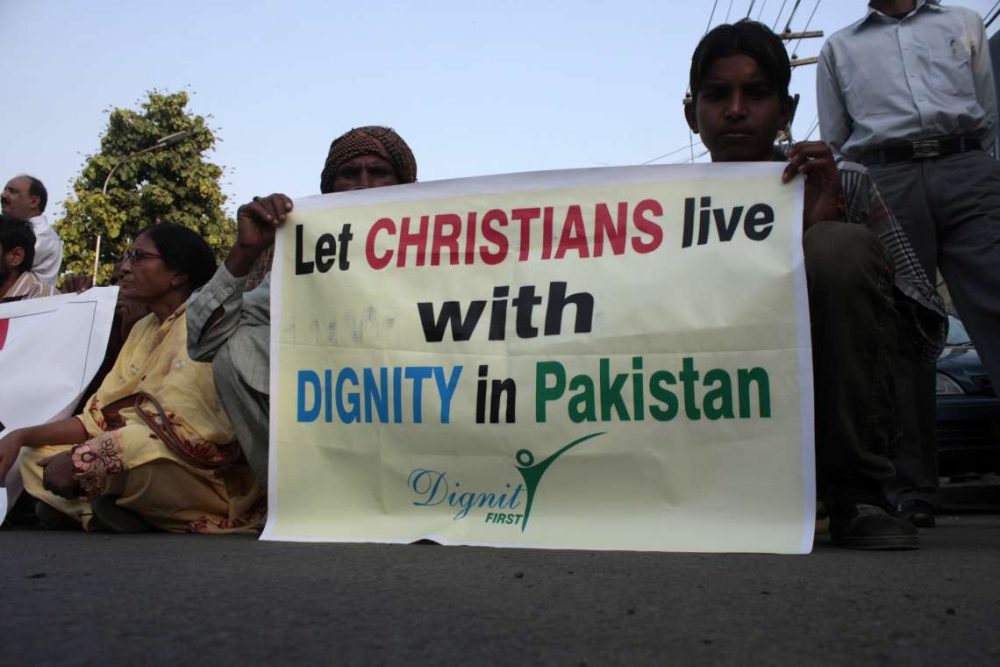
The deteriorating security situation has attracted international scrutiny. United States President Donald Trump has recently characterised much of the violence as “persecution” or “genocide” of Christians, leading him to order surprise airstrikes coordinated with Nigerian authorities on Christmas Day in Sokoto State. However, most regional experts contest this narrative, emphasising that both Christian and Muslim populations have sustained proportionate losses. Since 2009, militant insurgencies in Nigeria led primarily by Boko Haram and its splinter group, the Daesh West Africa Province (Daesh-WAP), have killed more than 40,000 people and displaced roughly two million across the north-east, according to United Nations assessments.
The Dutse Dan Ajiya assault occurred one day after separate attacks on seven villages in neighbouring Kebbi State by the Lakurawa militant group, which killed dozens according to police accounts. Lakurawa’s emergence in recent years has substantially intensified the north-western security crisis, forcing state governments to expand civilian self-defence militia recruitment programmes. Analysts remain divided regarding Lakurawa’s origins, with some linking the group to Daesh’s Sahel operations centred in Mali and Niger, whilst others question such connections. The region’s criminal “bandit” gangs, primarily financially motivated, have increasingly formalised cooperation with militant organisations, blurring traditional distinctions between criminal and ideologically driven violence.