The meeting between Bangladesh Prime Minister Tarique Rahman and Indian High Commissioner Dinesh Trivedi has raised hopes of renewed engagement between Dhaka and New Delhi….reports Asian Lite News Desk
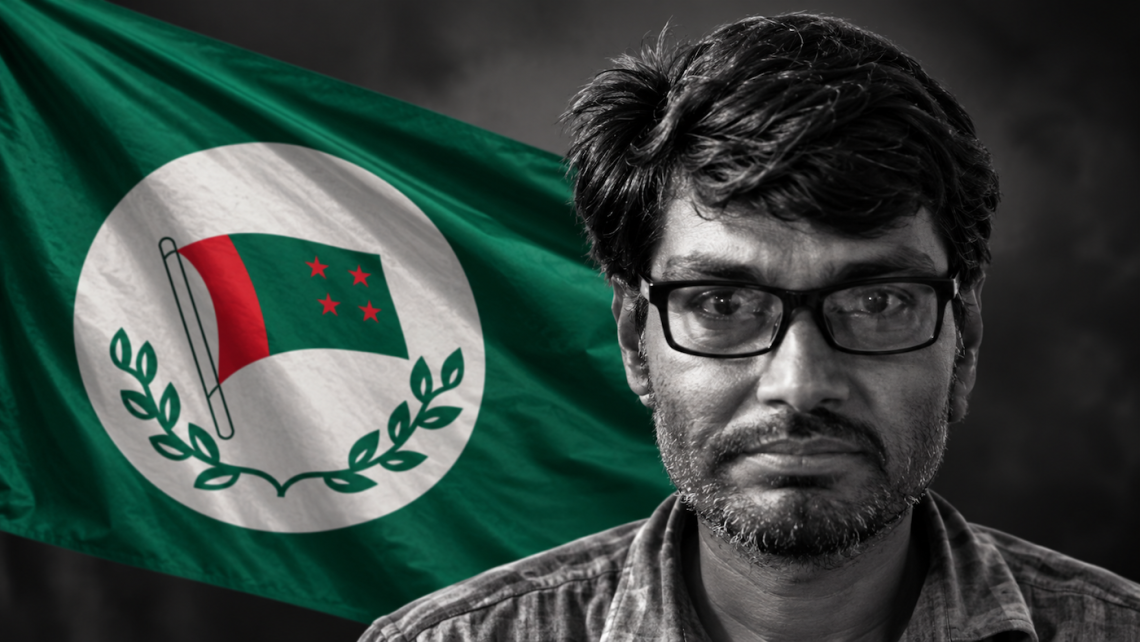
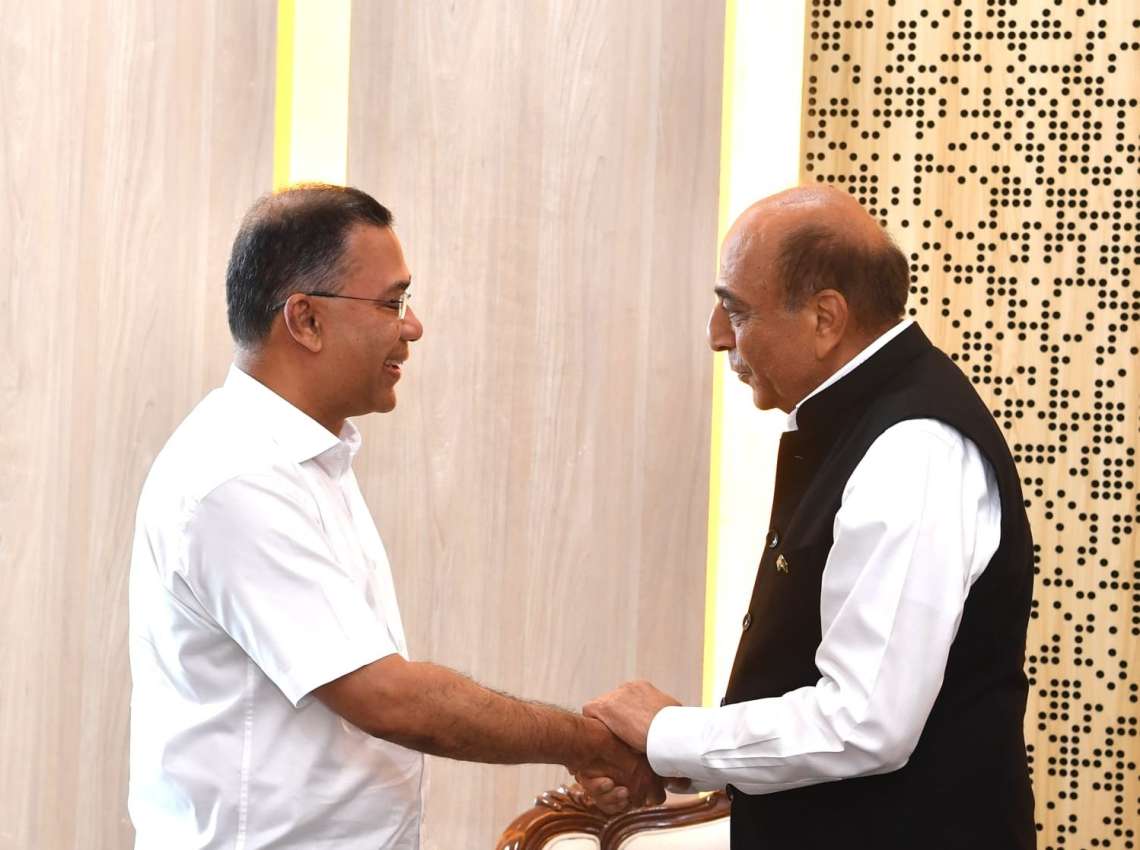
The meeting between Bangladesh Prime Minister Tarique Rahman and Indian High Commissioner Dinesh Trivedi has been seen as a potentially positive signal for bilateral relations following months of diplomatic strain between the two countries.
The meeting, held in Dhaka on Monday, came amid efforts by the two sides to rebuild engagement after relations deteriorated following political upheaval in Bangladesh and the ousting of former Prime Minister Sheikh Hasina.
Trivedi described his first meeting with Rahman as fruitful and said the two countries shared not only a border but also common aspirations. The meeting focused on bilateral relations and issues of mutual interest, according to Bangladeshi media reports.
An analysis published by Bangladesh’s Daily Sun said the cordial engagement could indicate that both governments were seeking to move beyond recent disagreements and focus on the broader relationship.
“The latest strain in Bangladesh-India relations should concern both governments, but it need not become a crisis of their own making. Geography, history, trade, rivers, security and deep people-to-people ties bind the two neighbours in ways neither can wish away. Political disagreements are inevitable; allowing them to overwhelm the larger relationship is a choice. There are now signs that both Dhaka and Delhi understand the need to prevent that from happening,” the report said.

Relations have remained sensitive following Sheikh Hasina’s recent virtual interaction with journalists from New Delhi, which drew a strong reaction from Dhaka. India has maintained that its government had no involvement in the event and does not endorse remarks made during it, particularly comments concerning the government in Dhaka.
The Daily Sun report said that while India’s position may not fully address Bangladesh’s concerns, governments should recognise constructive diplomatic signals when they emerge.
Trivedi, who took charge as India’s High Commissioner earlier this year, has also emphasised the importance of addressing bilateral challenges through dialogue and mutual understanding. India has separately indicated that it is looking forward to Rahman’s visit to New Delhi. Prime Minister Narendra Modi has invited Rahman to attend the BRICS Summit scheduled in New Delhi in September, although Bangladesh has said the invitation is under consideration.
The report noted that India and Bangladesh have previously managed to resolve difficult disputes through sustained negotiations and political engagement.
“It required patience, negotiation and political courage on both sides. A problem that had resisted successive governments was resolved because both countries eventually decided that an unsatisfactory status quo was not sustainable. The lesson is clear. Difficult issues are rarely resolved by allowing them to fester,” it said.
It argued that the immediate priority should be to make bilateral engagement more regular and predictable, with foreign ministers and senior officials meeting routinely rather than only during periods of heightened tension.
The report also called for existing mechanisms to be strengthened to address political and legal matters, border management, trade, connectivity, security, energy and water resources.
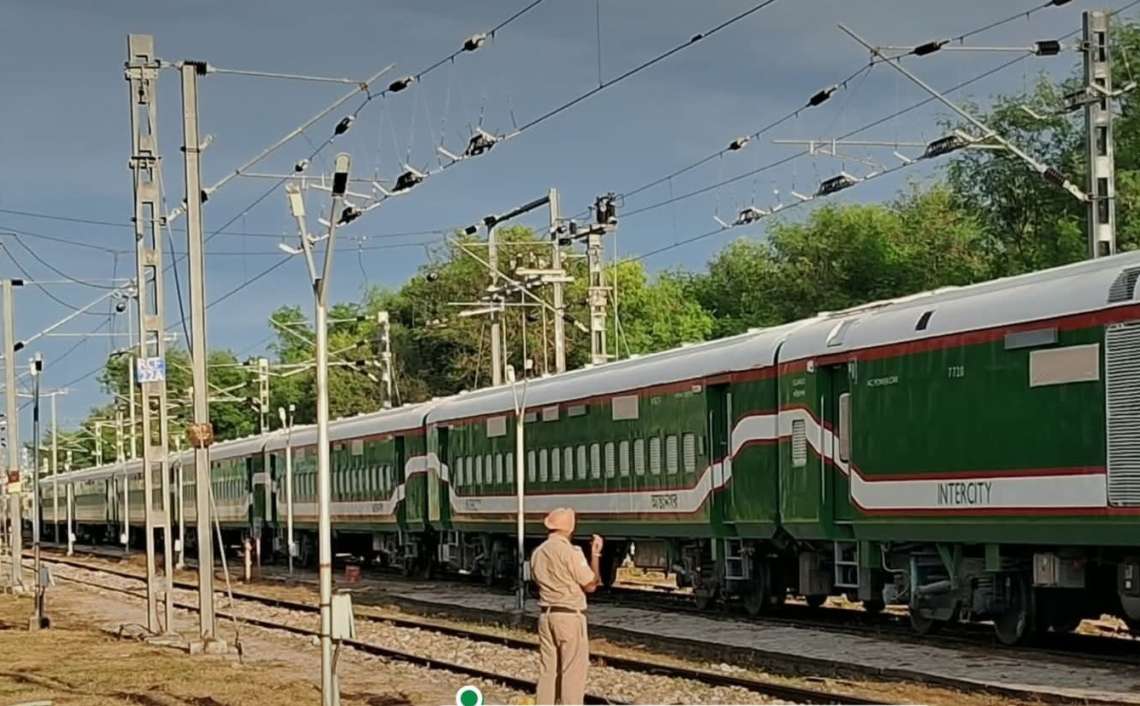
India and Bangladesh share extensive economic, security and people-to-people links, as well as common rivers and a long land border. Both countries have also been seeking to restore practical cooperation after bilateral ties came under considerable strain following the change of government in Dhaka.
The Daily Sun said the Rahman-Trivedi meeting should therefore be viewed as more than a routine diplomatic interaction and could provide an opening for renewed engagement.
“The invitation to Prime Minister Tarique Rahman to visit India, including the invitation to attend the BRICS Summit in New Delhi in September, provides another potential avenue for high-level engagement,” it said.
The report added that the decision on whether and when Rahman visits India would rest with Dhaka, but argued that opportunities for direct political contact should be used when they serve the interests of both countries.

India Envoy Meets Modi After Tarique Talks In Dhaka
India’s High Commissioner to Bangladesh, Dinesh Trivedi, on Tuesday met Prime Minister Narendra Modi in New Delhi, a day after he paid a courtesy call on Bangladesh Prime Minister Tarique Rahman in Dhaka.
The meetings come at a time when India-Bangladesh relations are undergoing a sensitive phase, with both sides facing the need to manage recent differences while maintaining cooperation on areas of mutual interest.
“High Commissioner Dinesh Trivedi called on Honb’le Prime Minister Shri Narendra Modi today and sought his guidance on further strengthening the multifaceted and enduring bilateral relationship between India and Bangladesh in a constructive manner with a people-centric approach,” the High Commission of India in Bangladesh said in a post on X.
Trivedi’s meeting with Modi followed his interaction with Rahman in Dhaka on Monday, during which he conveyed greetings from the Indian Prime Minister and expressed New Delhi’s intention to work with Bangladesh’s government and people.
“They exchanged views on matters of mutual interest and discussed avenues for further strengthening bilateral relations between India and Bangladesh with a people-centric approach,” the Indian High Commission had said after the meeting.
The meetings have been viewed by analysts as a possible positive signal after a period of diplomatic strain between the two neighbouring countries.