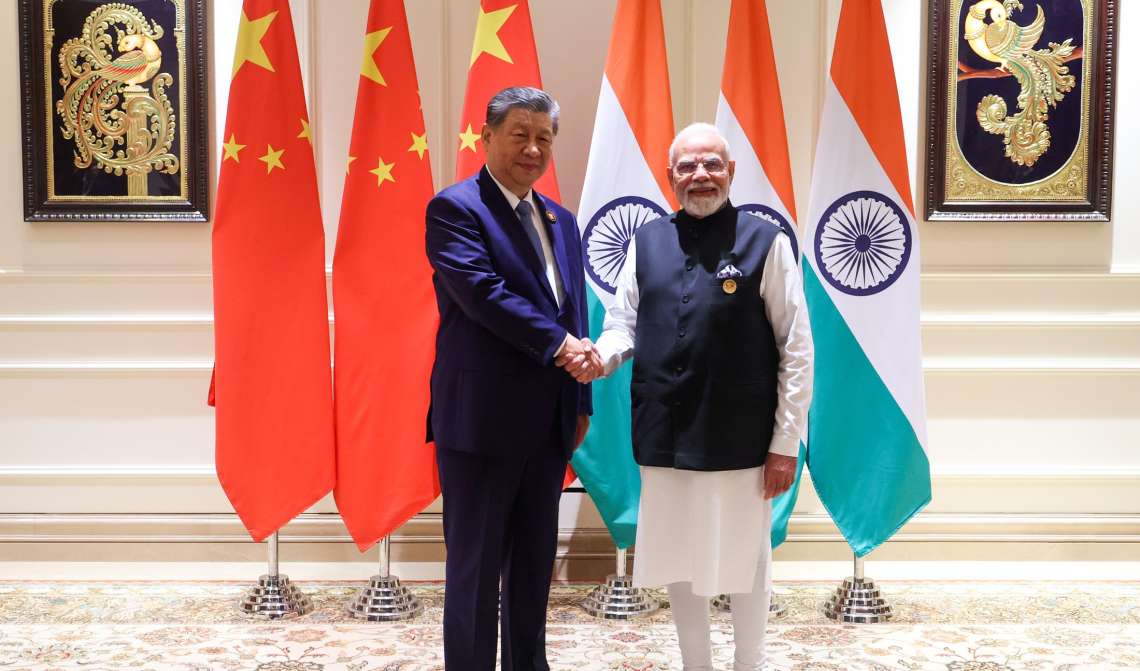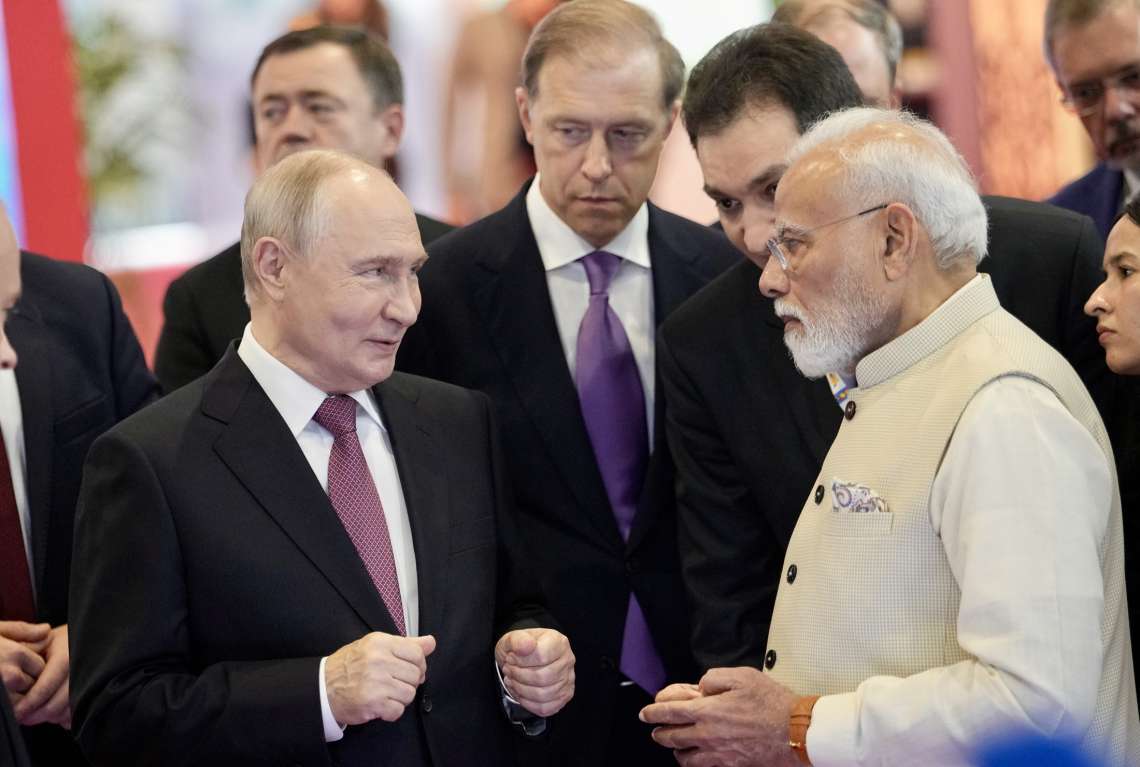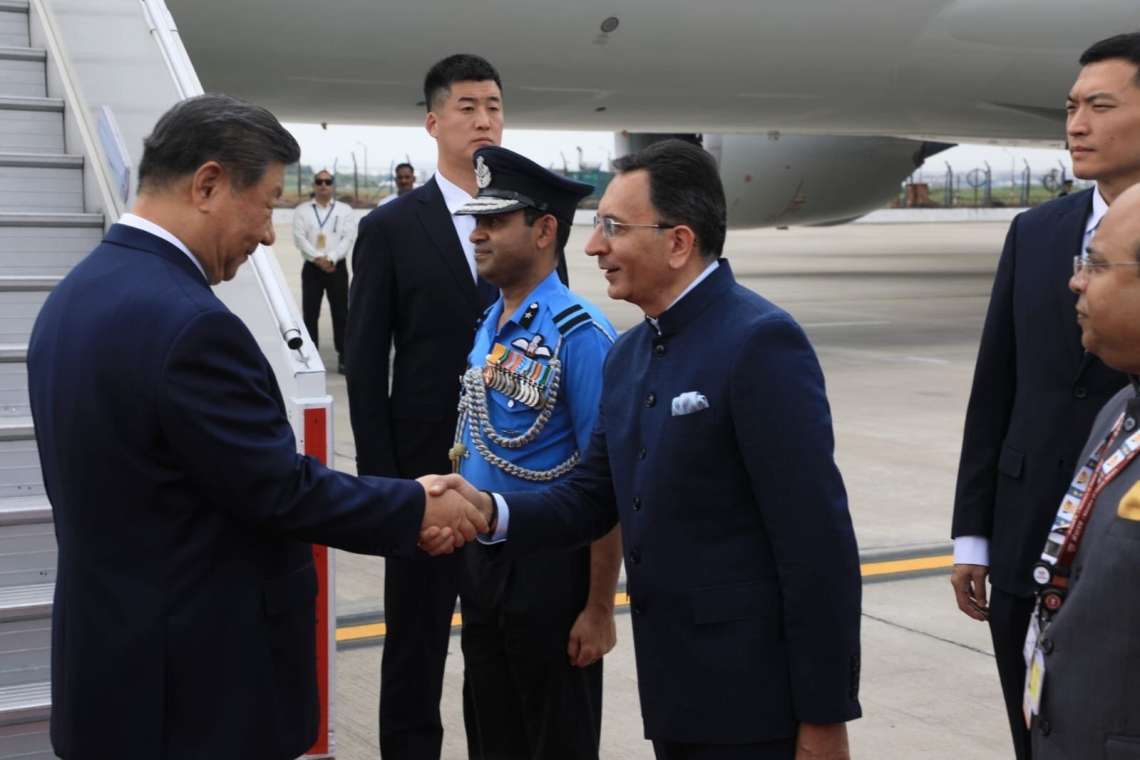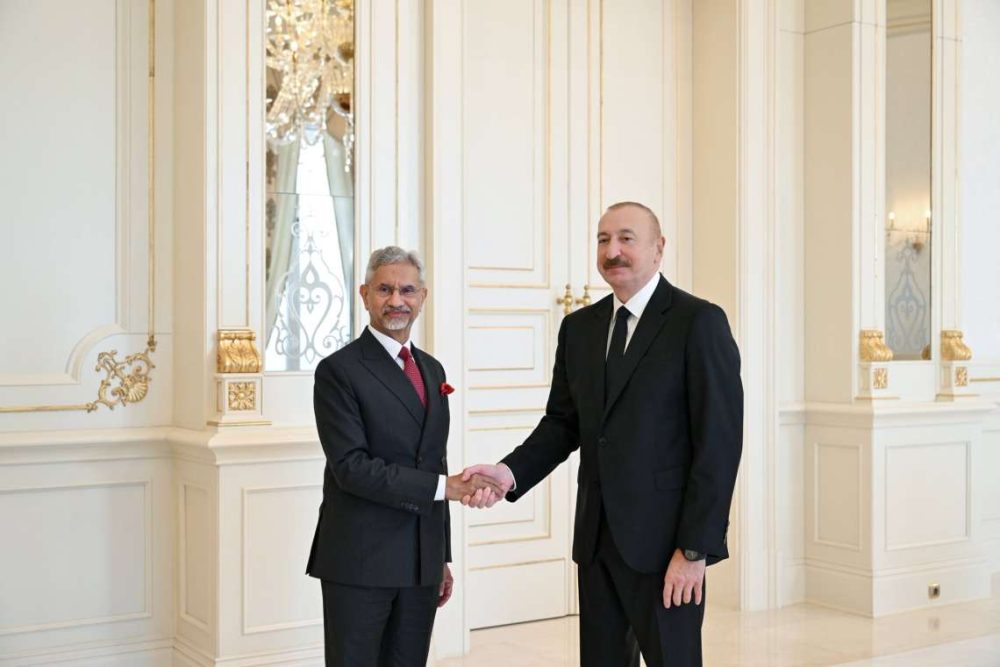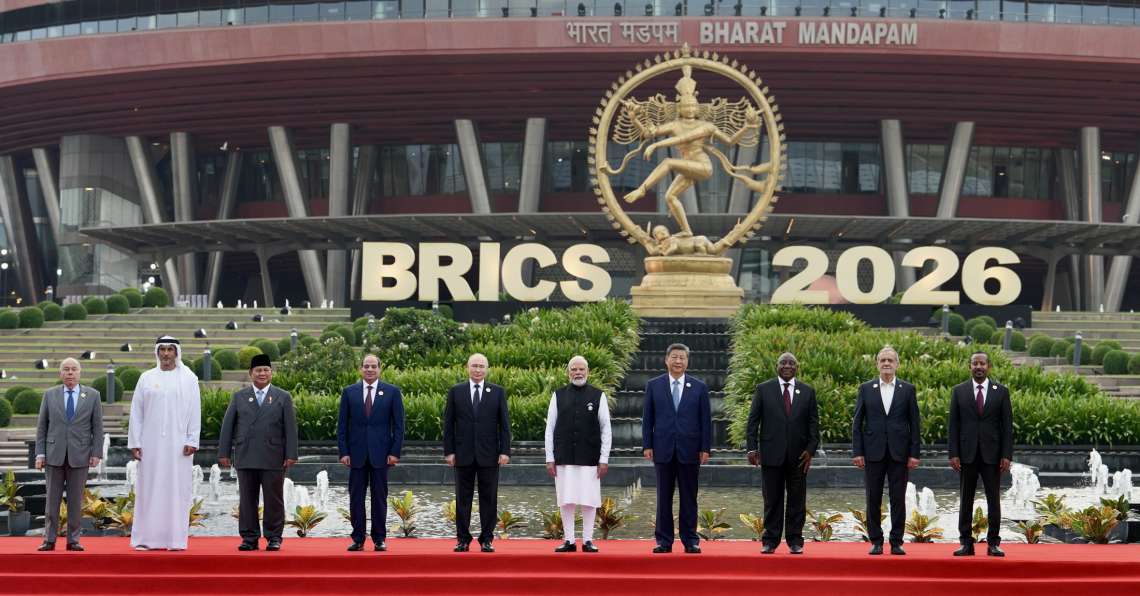
Prime Minister Narendra Modi says the New Delhi Declaration gives an expanded BRICS a stronger purpose, with cooperation focused on development, innovation and global reform, reports Asian Lite News Desk
Prime Minister Narendra Modi has welcomed the unanimous adoption of the New Delhi Declaration at the 18th BRICS Summit, saying it reflects a broader and more purposeful grouping focused on development, innovation and global reform.
The declaration was adopted by BRICS leaders on Saturday at the summit in New Delhi, marking a key outcome of India’s year-long presidency of the grouping.
Modi said the agreement demonstrated confidence in a BRICS that had expanded its reach while strengthening its common objectives.
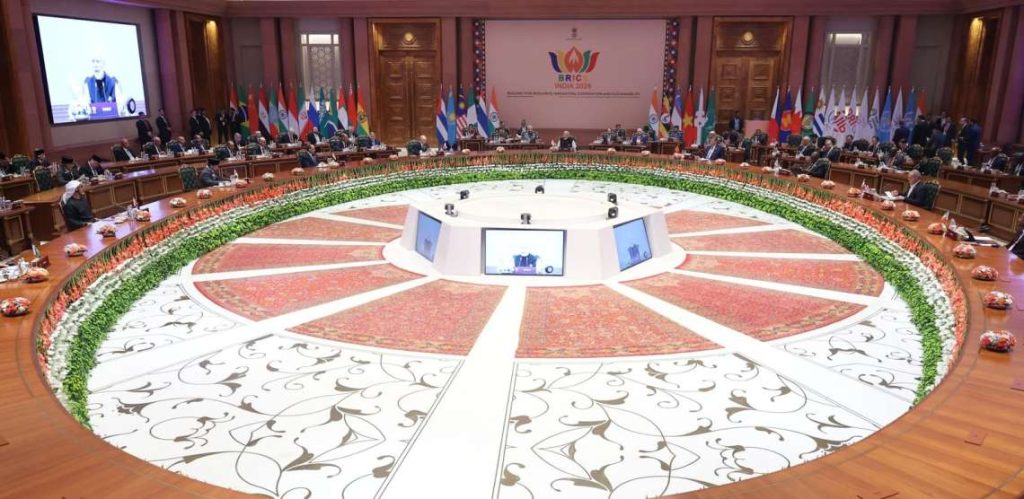
“The New Delhi Declaration, adopted unanimously at the 2026 BRICS Delhi Summit, reflects the confidence of a BRICS that is wider in reach and stronger in purpose,” Modi said in a post on X.
He said India’s presidency had focused on making cooperation within BRICS more practical and development-oriented, with particular attention to innovation, sustainability and people-to-people ties.
Modi thanked the leaders and member countries for agreeing to the declaration, which he said also sets out priorities for the grouping’s future.
The Prime Minister said BRICS would seek to deepen cooperation in areas including artificial intelligence, digital public infrastructure, quantum technologies, start-ups, micro, small and medium enterprises, science and research.
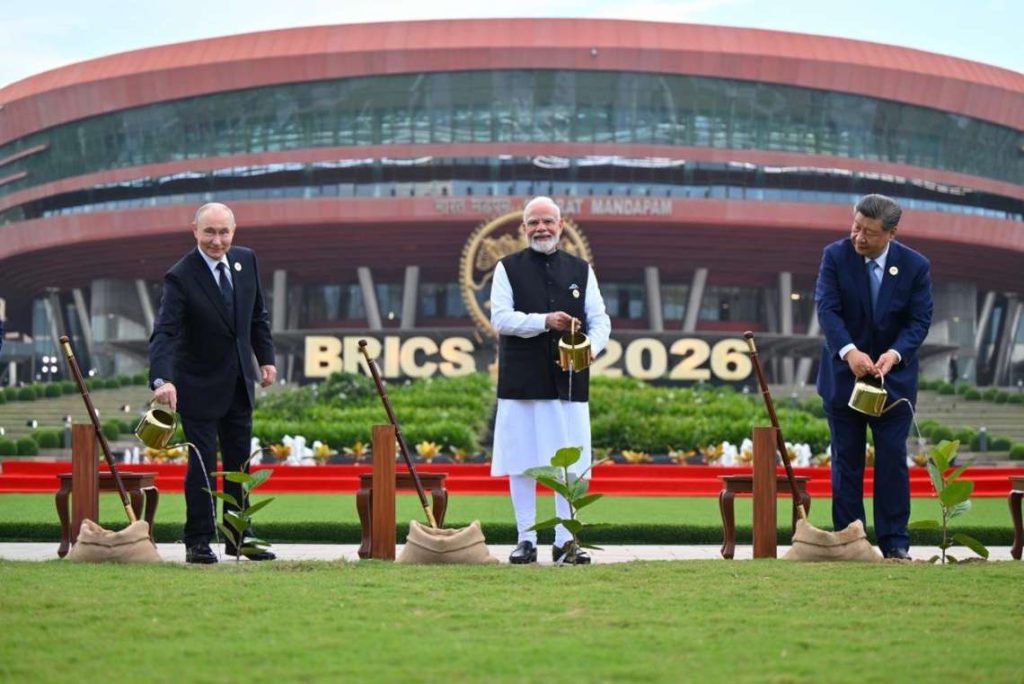
The grouping would also strengthen the role of the New Development Bank and expand cooperation on food security, health, energy security, supply chains and sustainable infrastructure, he said.
The declaration also carries a wider message on the need to reform international institutions and give the Global South a greater role in global decision-making.
Modi said global institutions needed to evolve in line with changing realities, while development should remain at the centre of the international agenda.
He described BRICS as a platform for dialogue, reform and peace and called for a more representative multilateral system.
At the same time, Modi said the grouping would continue to take a firm position against terrorism, double standards and threats to international stability.
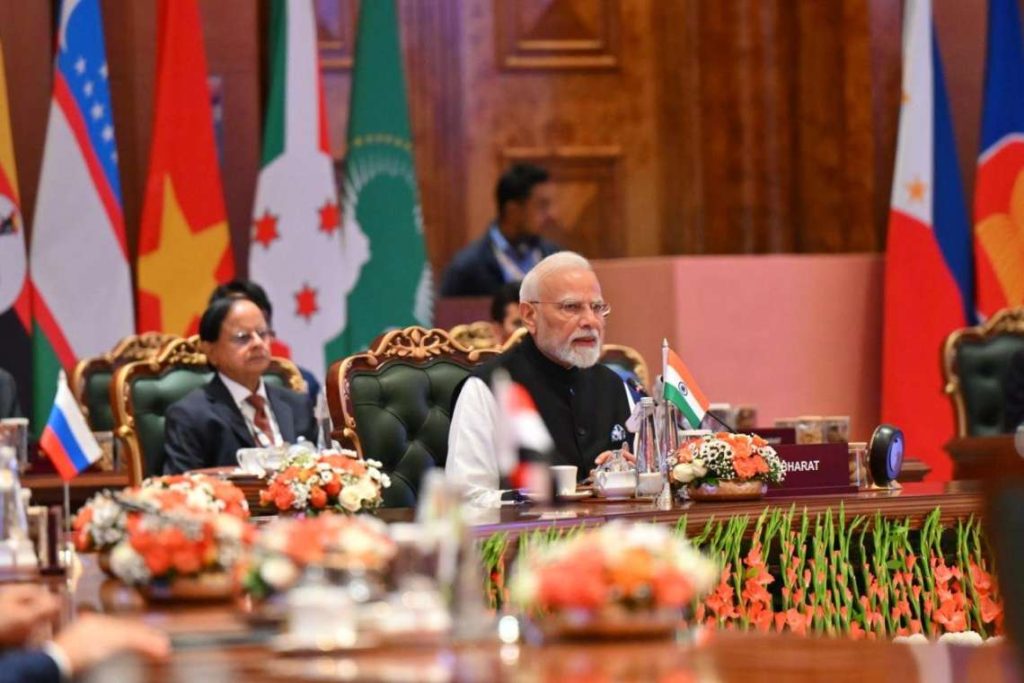
The declaration followed discussions among BRICS leaders on regional and global developments, as well as ways to strengthen cooperation within the expanded grouping.
India’s BRICS presidency has placed particular emphasis on the interests of the Global South and on making the bloc’s work more closely connected to development priorities.
Speaking at the summit earlier on Saturday, Modi said BRICS had reached a “coming of age” moment as the grouping marks 20 years since its formation.
He proposed a new mechanism to ensure continuity in implementing decisions as the BRICS presidency changes hands each year.
Modi also called on BRICS countries to develop 10 proposals for global governance reform, with the aim of creating a reform roadmap by the next summit.
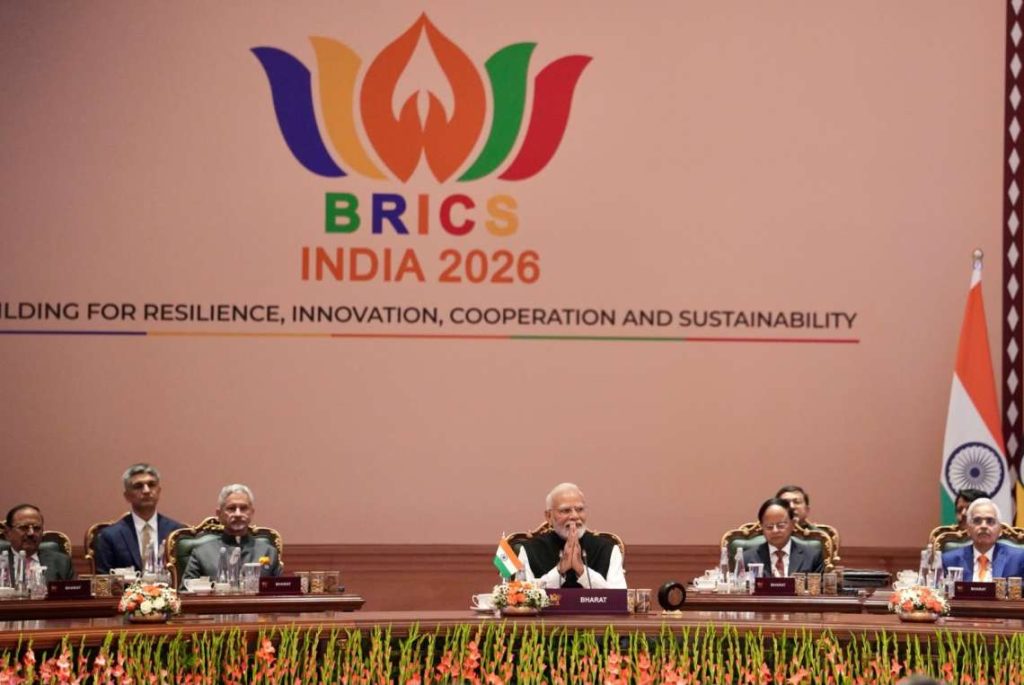
The New Delhi Declaration therefore comes at a significant point for BRICS, which has expanded its membership while facing differing positions among its members on international conflicts, economic policy and the future of global governance.
The unanimous adoption gives India a significant outcome from its presidency and provides the expanded grouping with a common framework for cooperation in the years ahead.
Modi also launched two commemorative postage stamps marking 20 years of BRICS during the summit.
He said the adoption of the declaration should now be followed by concrete action.
“The New Delhi Declaration adopted today gives clear direction to our shared resolve. Now it is our responsibility to convert these resolutions into concrete results,” Modi said in his closing remarks.