Chinese Ministry of Foreign Affairs spokesperson Lin Jian said Beijing stood firmly against interference in the internal affairs of sovereign states and opposed the use or threat of force in international relations….reports Asian Lite News
China on Wednesday reiterated its support for Iran’s efforts to maintain internal stability, while strongly criticising the use of unilateral tariffs and sanctions as tools of foreign policy. The remarks came as Tehran escalated its diplomatic push at the United Nations against the United States, and as Canada signalled a notable recalibration of its approach towards China amid a rapidly shifting global trade environment.
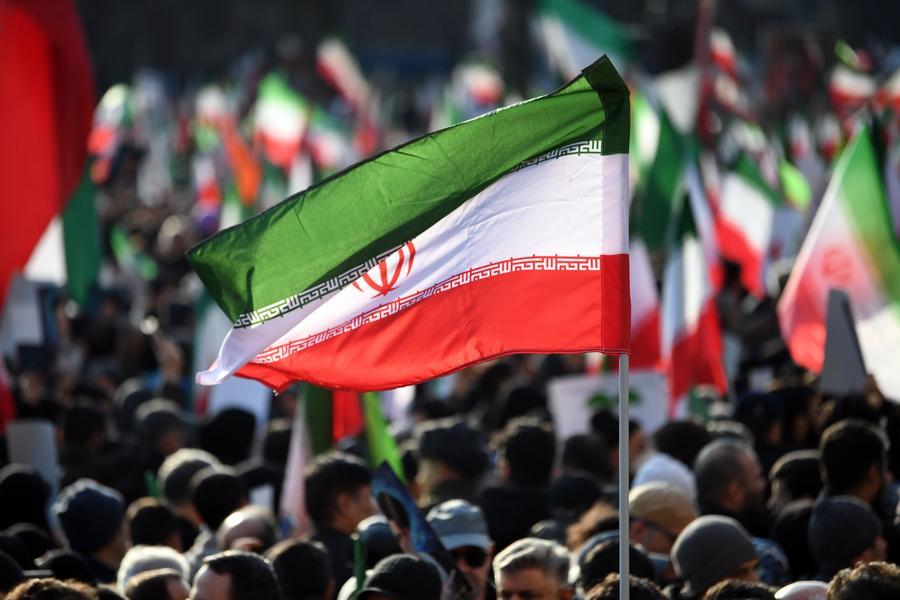
Speaking at a regular press briefing, Chinese Ministry of Foreign Affairs spokesperson Lin Jian said Beijing stood firmly against interference in the internal affairs of sovereign states and opposed the use or threat of force in international relations. Referring specifically to Iran, Lin said China hoped the country would maintain stability and affirmed Beijing’s support for Tehran in doing so, framing the position as consistent with China’s long-standing foreign policy principles.
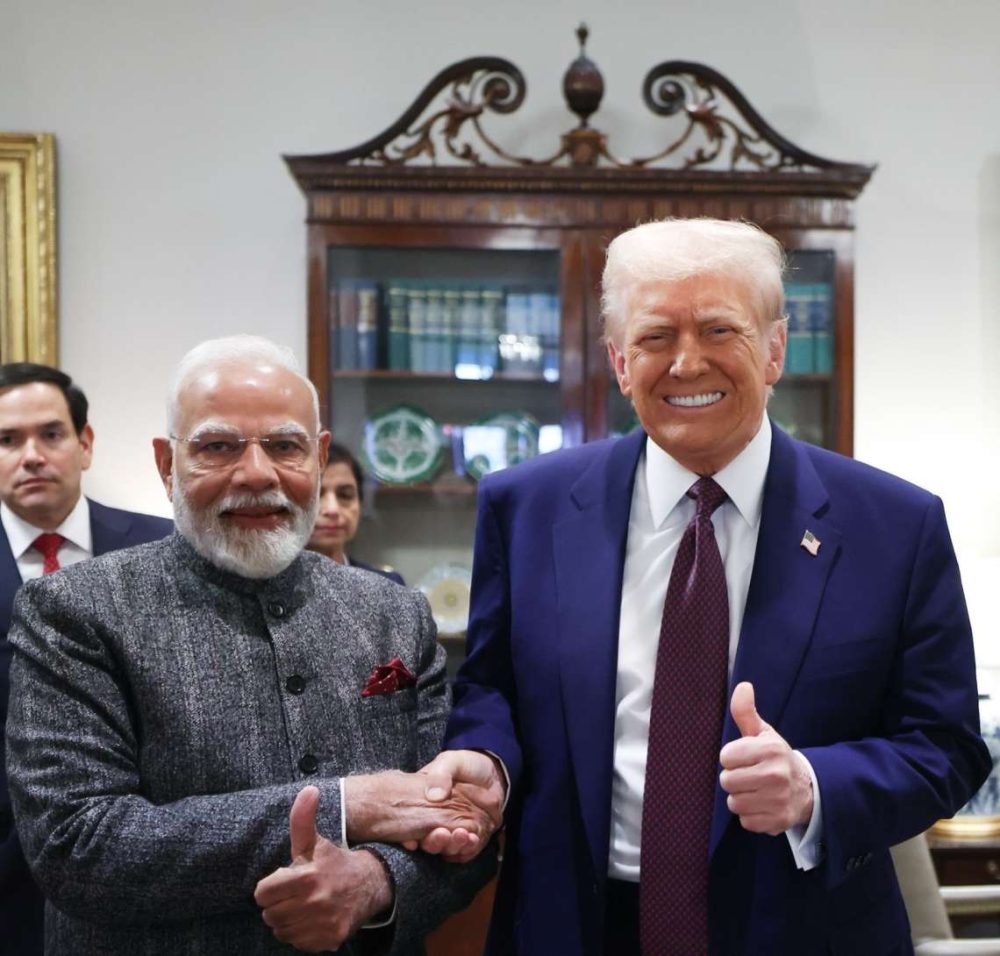
Lin also addressed the latest round of US measures targeting countries that continue economic engagement with Iran. Reacting to the sanctions and tariffs announced by US President Donald Trump, the Chinese spokesperson said Beijing’s position was unambiguous. Tariff wars, he argued, have no winners and only undermine global economic stability. China, he added, would firmly protect its legitimate and lawful rights and interests in the face of such actions.

China’s remarks came against the backdrop of rising tensions between Washington and Tehran. Iran has formally approached the United Nations Security Council and the UN Secretary-General, accusing the United States of inciting violence, interfering in its internal affairs and issuing threats of military action. In an official letter circulated by Iran’s Permanent Mission to the UN, Tehran expressed what it described as grave concern over recent comments made by the US President in relation to protests within Iran.
Iran’s Permanent Representative to the UN, Ambassador Amir Saeid Iravani, wrote that the remarks appeared to encourage unrest and hinted at external backing for attempts to seize state institutions. Iranian authorities argue that such statements amount to an explicit threat to the country’s sovereignty and national security, and violate core principles of international law enshrined in the UN Charter, including prohibitions on the threat or use of force and non-intervention in domestic affairs.
The letter further warned that inflammatory rhetoric could contribute to political destabilisation and potentially inflame violence, with serious consequences not only for Iran but for regional and international peace and security. Tehran also placed the latest comments within what it described as a broader pattern of escalating pressure from Washington, pointing to earlier communications sent to the UN in late December 2025 and early January 2026. According to Iranian officials, these documents outline a sustained strategy aimed at weakening Iran through sanctions, economic pressure and political agitation.
While geopolitical tensions between major powers continue to sharpen, shifts are also becoming evident in the global economic and diplomatic landscape. In Beijing, Canadian Foreign Minister Anita Anand signalled a softening in Ottawa’s posture towards China, emphasising that Canada is now operating under a new government, a new prime minister and a revised foreign policy outlook shaped by changing global realities.
Responding to questions on whether Canada still views China as a “global disruptive power”, Anand highlighted the need for pragmatism as Canada navigates economic stress and trade uncertainty. She said Ottawa was focused on diversifying its trading partners and expanding non-US trade by at least 50 per cent over the next decade, reflecting a strategic effort to reduce dependence on a single market.
Anand was speaking during Prime Minister Mark Carney’s visit to China, part of a broader push by the new Canadian government to explore expanded trade and investment options. Carney has publicly called for doubling Canada’s non-US exports over the next ten years, a goal framed as essential for securing new opportunities for Canadian businesses and creating tens of thousands of jobs at home.
The Canadian foreign minister acknowledged that the geopolitical environment has changed substantially in recent years, citing shifts in both military conflicts and the global economic order. As supply chains are “rewired”, Anand said Canada is adjusting its economic and diplomatic strategies while remaining firm on national interests. She stressed that diversification of supply chains would continue alongside efforts to engage China in a more pragmatic and interest-driven manner.
This recalibration comes as Canada faces steep tariffs on its exports to the United States, with duties reportedly as high as 35 per cent despite the US being its largest trading partner. The pressure has added urgency to Ottawa’s efforts to widen its economic horizons and deepen engagement beyond North America.