Chinese Foreign Minister Wang Yi urges stronger BRICS security cooperation in New Delhi as Iran seeks deeper energy ties with India during high-level meetings, reports India Daily News Desk
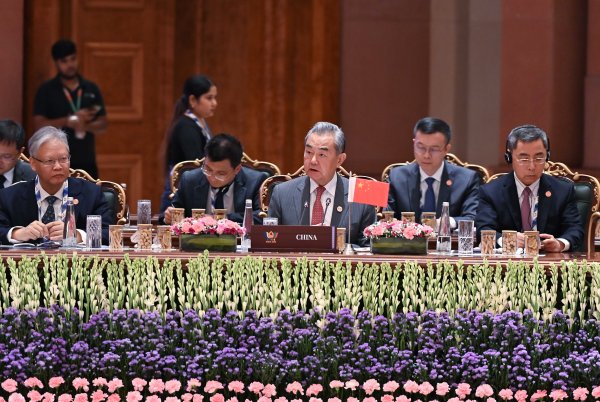
Chinese Foreign Minister Wang Yi has called for deeper security cooperation among BRICS nations, saying the grouping should strengthen dialogue and coordination as the world faces an increasingly complex mix of conventional and non-conventional security threats.
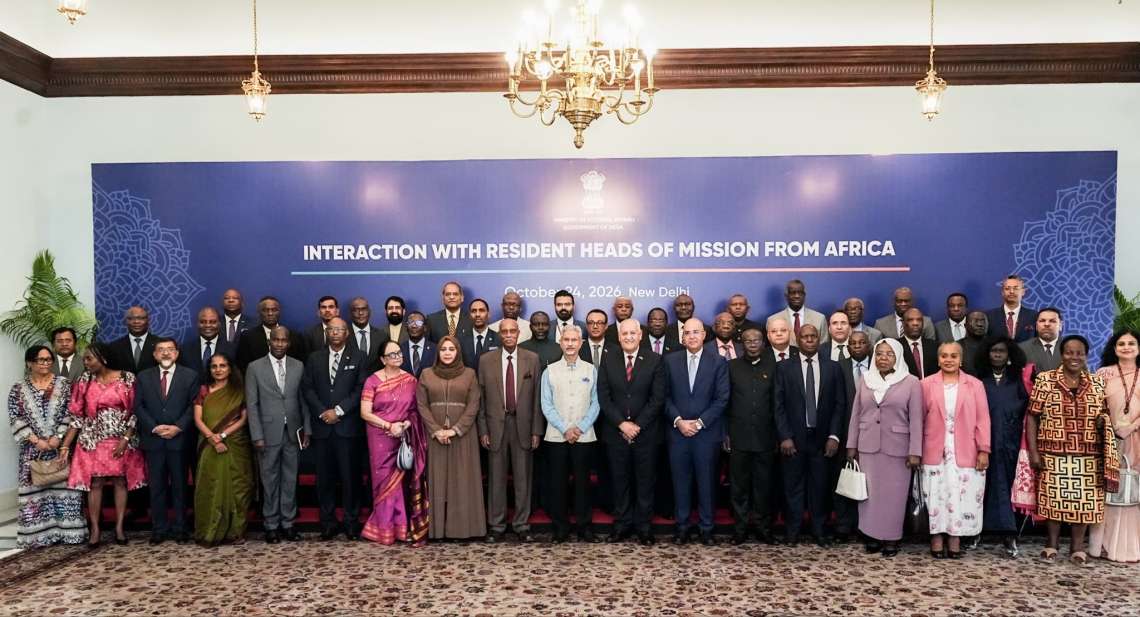
Wang made the remarks during the 16th Meeting of BRICS National Security Advisers and High Representatives on National Security, held in New Delhi from June 22 to 23, according to a statement issued by Chinese Ambassador to India Xu Feihong.
The high-level gathering brought together senior security officials from BRICS member states to discuss regional conflicts, global security challenges and cooperation among emerging economies.
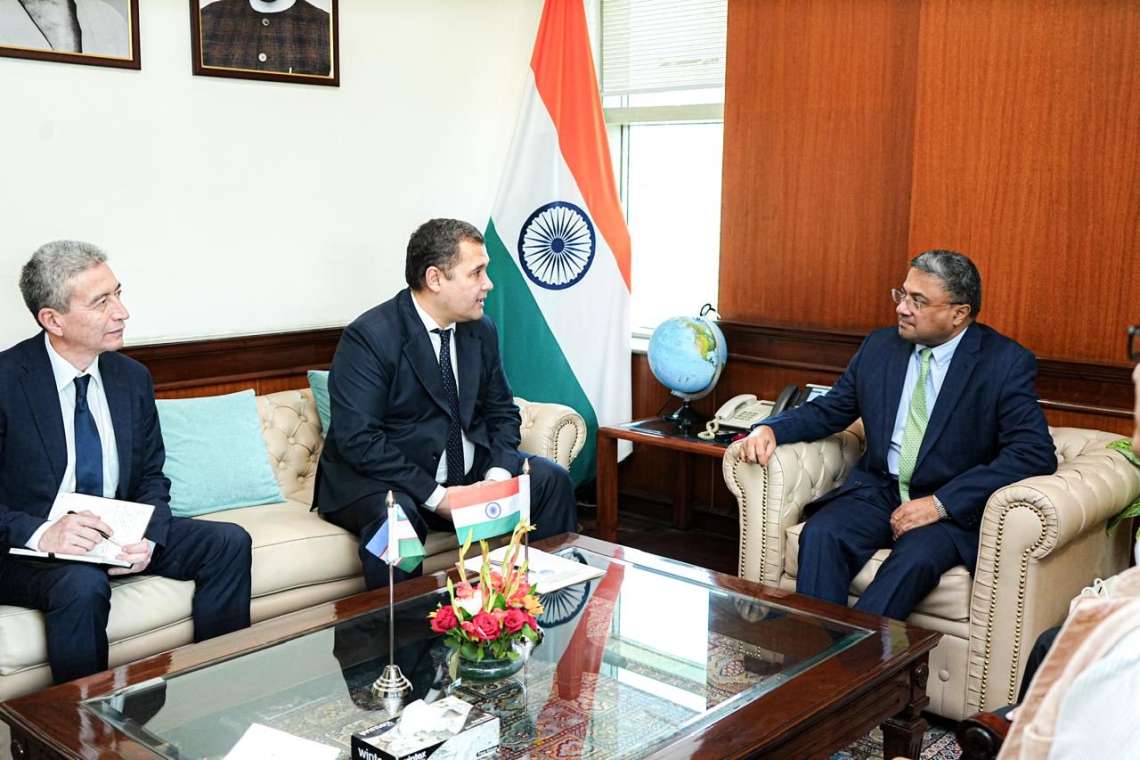
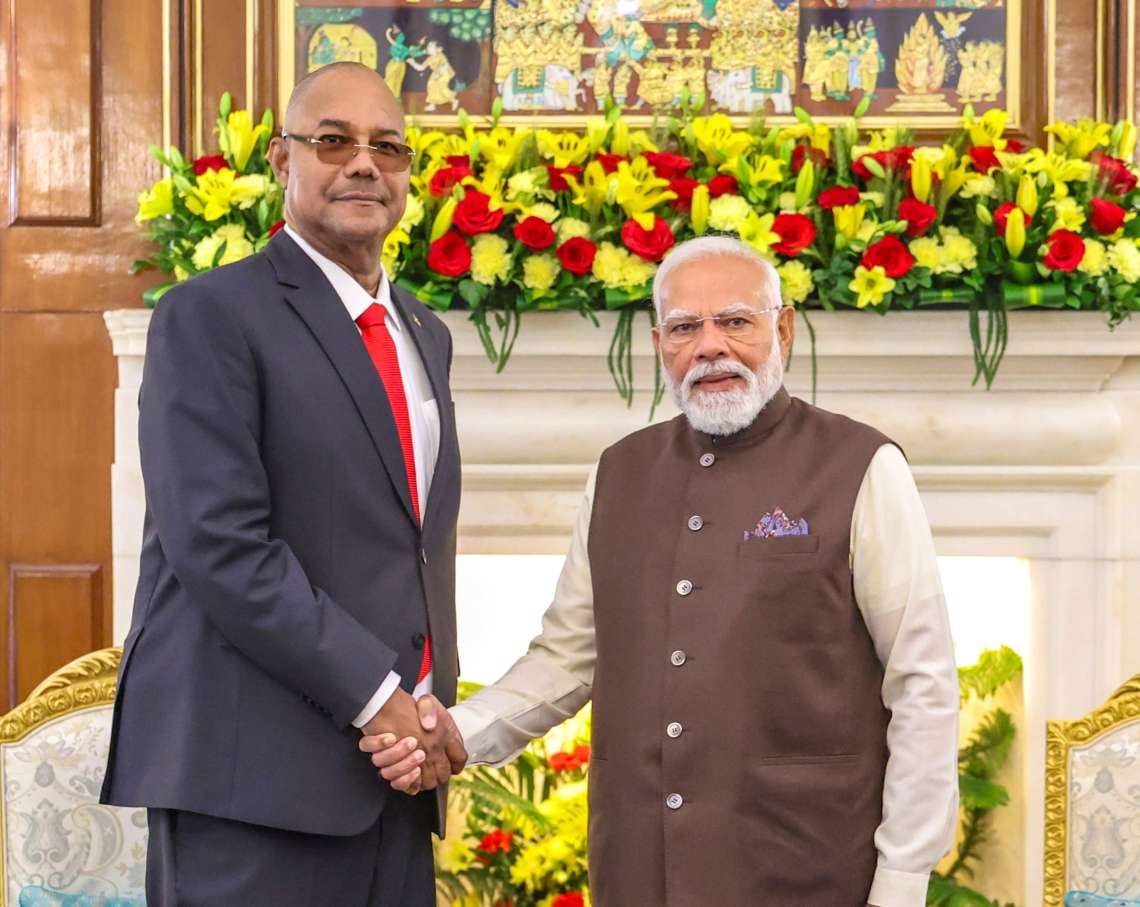
During his visit to India, Wang also had a brief exchange of views with Prime Minister Narendra Modi and held bilateral meetings with several heads of delegation participating in the summit.
According to the Chinese statement, Wang said the changing global security environment made it an appropriate time for BRICS countries to expand cooperation on strategic and security issues.
He said recent conflicts, including tensions involving the United States, Israel and Iran, had underscored the need for stronger international coordination and a renewed commitment to peaceful dialogue.
Referring to the recent crisis in West Asia, Wang said the conflict had caused significant disruption across the region and beyond, while highlighting four key lessons: safeguarding international rules, respecting national sovereignty, embracing a new security vision and recognising the changing nature of modern warfare.
Against that backdrop, he urged BRICS members to deepen exchanges on security affairs and work together to address emerging global challenges.

Wang said BRICS had evolved over the past two decades into an important force supporting international peace, development and fairness, adding that member countries should shoulder greater responsibility amid rapidly changing geopolitical conditions.
He stressed the importance of defending the international order, building consensus on security issues and improving cooperation in new and emerging areas of global governance.
According to the Chinese statement, Wang also welcomed the consensus reached during the New Delhi meeting, saying BRICS countries had reaffirmed their commitment to multilateralism while supporting greater solidarity, self-reliance and cooperation among developing nations and the Global South.
He added that member countries had agreed to strengthen communication on major international and regional issues through the BRICS security dialogue mechanism.
China is due to assume the rotating BRICS chairmanship next year.
Looking ahead, Wang said Beijing hoped to work closely with fellow BRICS members to advance the vision of building a “community with a shared future for humanity” and implement the four global initiatives proposed by Chinese President Xi Jinping.
He said those efforts would focus on promoting development, enhancing security, encouraging civilisational exchanges and improving global governance.
Iran seeks stronger economic ties
Alongside the security discussions, Iran signalled its intention to expand economic cooperation with India during BRICS-related meetings in New Delhi.
Iranian Petroleum Minister Mohsen Paknejad arrived in the Indian capital to participate in meetings of BRICS energy ministers and hold discussions with Indian officials and representatives of the country’s energy sector.
Speaking after his arrival, Paknejad highlighted the longstanding relationship between India and Iran and said Tehran was keen to broaden economic engagement.
“As you know, we have had historical relations between Iran and India for a long time, for centuries,” he said.
He added that Iran was prepared to strengthen economic ties with India, particularly in the energy sector, while discussions during his visit would focus on oil and gas cooperation, investment opportunities and developments in global energy markets.
Paknejad also referred to international sanctions on Iran, noting that a 60-day waiver remained in place as discussions continued under arrangements agreed with the United States.
His visit comes as India continues to engage with energy-producing nations amid evolving global energy dynamics and supply chain challenges.
Earlier this week, Ghadir Nezamipour, Deputy Secretary of Iran’s Supreme National Security Council, also met Prime Minister Narendra Modi following the conclusion of the BRICS National Security Advisers’ meeting.