India expands its passport network six-fold in a decade, delivering 1.5 crore services in 2025 while accelerating digital reforms and improving global travel access, reports India Daily News Desk
India’s passport services network has expanded more than six-fold over the past decade, with the Ministry of External Affairs (MEA) saying it delivered around 1.5 crore passport and related services in 2025 as part of a continued push to make public services faster, more accessible and digitally driven.
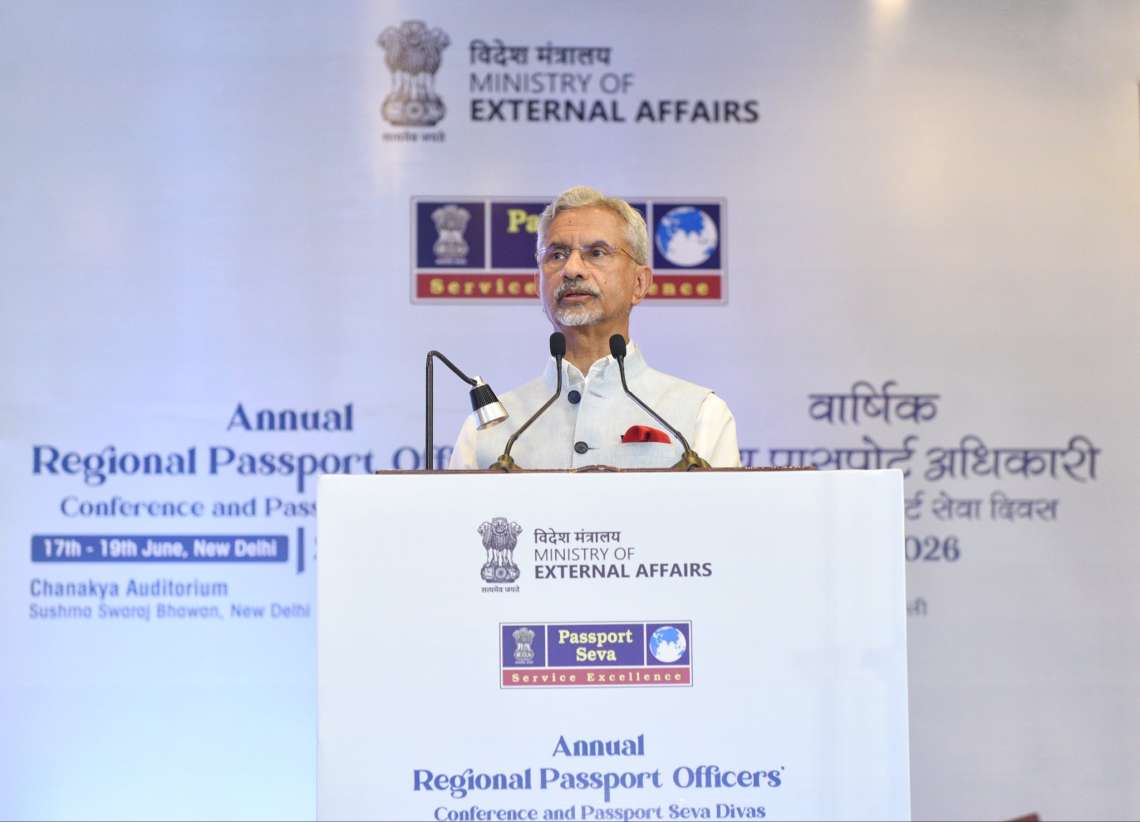
The figures were released on Wednesday as the country marked the 14th Passport Seva Divas, commemorating the enactment of the Passports Act, 1967, which laid the foundation for India’s modern passport system.
According to an MEA official, passport issuance and related services have witnessed significant growth over the past 10 years, supported by an expanding network of Passport Seva Kendras (PSKs) and Post Office Passport Seva Kendras (POPSKs).
In 2025 alone, the ministry provided 1.5 crore passport and related services, with passport issuances accounting for 1.39 crore of the total.
The official said the passport infrastructure has grown from just 77 Passport Kendras a decade ago to 545 centres across the country today, making passport services available to a much larger section of the population.
The expansion is continuing, with 10 new Post Office Passport Seva Kendras opened last year and another 10 scheduled to become operational this year.
The ministry also highlighted improvements in service delivery, stating that applicants now spend less than 45 minutes at Passport Seva Kendras and Post Office Passport Seva Kendras for document processing, excluding the time taken for mandatory police verification. In many cases, passports are processed within six working days once verification requirements are completed.
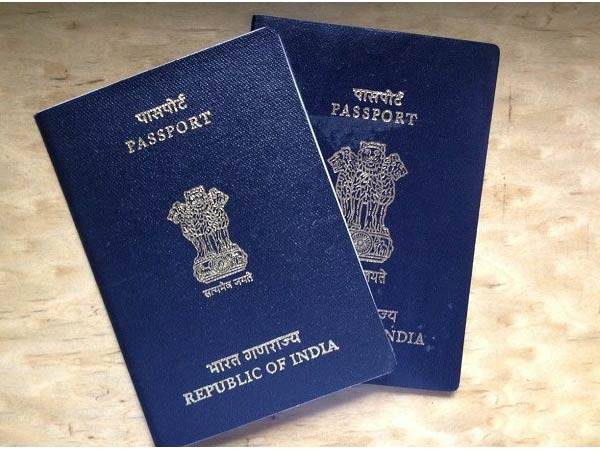
Officials said the expansion reflects the government’s broader efforts to simplify citizen services through digital technology and decentralised infrastructure.
Alongside improvements in passport delivery, the MEA highlighted growing international mobility for Indian citizens.
According to the ministry, Indians currently enjoy visa-free access to 27 countries, up from 16 in 2019. A further 47 countries now offer visa-on-arrival facilities, while 66 destinations provide electronic visa (e-visa) access for Indian travellers.
The official said India has also signed several mobility agreements, particularly with European countries, aimed at facilitating smoother movement of students, researchers, apprentices, tourists and business travellers. These agreements also establish mechanisms for the return of illegal migrants through formal channels.
Marking Passport Seva Divas, External Affairs Minister S. Jaishankar praised the transformation of India’s passport ecosystem, describing it as efficient, transparent and citizen-centric.
In a message posted on X, Jaishankar said the Passport Seva Programme reflects Prime Minister Narendra Modi’s vision of “Minimum Government, Maximum Governance”, with technology playing a central role in improving public service delivery.
He noted that the ministry has successfully implemented the upgraded Passport Seva Programme Version 2.0 (PSP V2.0) across India while also rolling out the Global Passport Seva Programme (GPSP V2.0) at Indian diplomatic missions worldwide to improve services for the Indian diaspora.
Jaishankar also highlighted the introduction of chip-enabled e-passports, describing them as a major technological milestone for India’s passport system.
The e-passports incorporate internationally accepted security features designed to improve authentication, reduce the risk of forgery and enhance the overall security of travel documents while ensuring compatibility with global standards.
The continued expansion of passport infrastructure and digital services, the ministry said, reflects India’s efforts to modernise one of its most widely used public services while improving accessibility for citizens across the country and overseas.