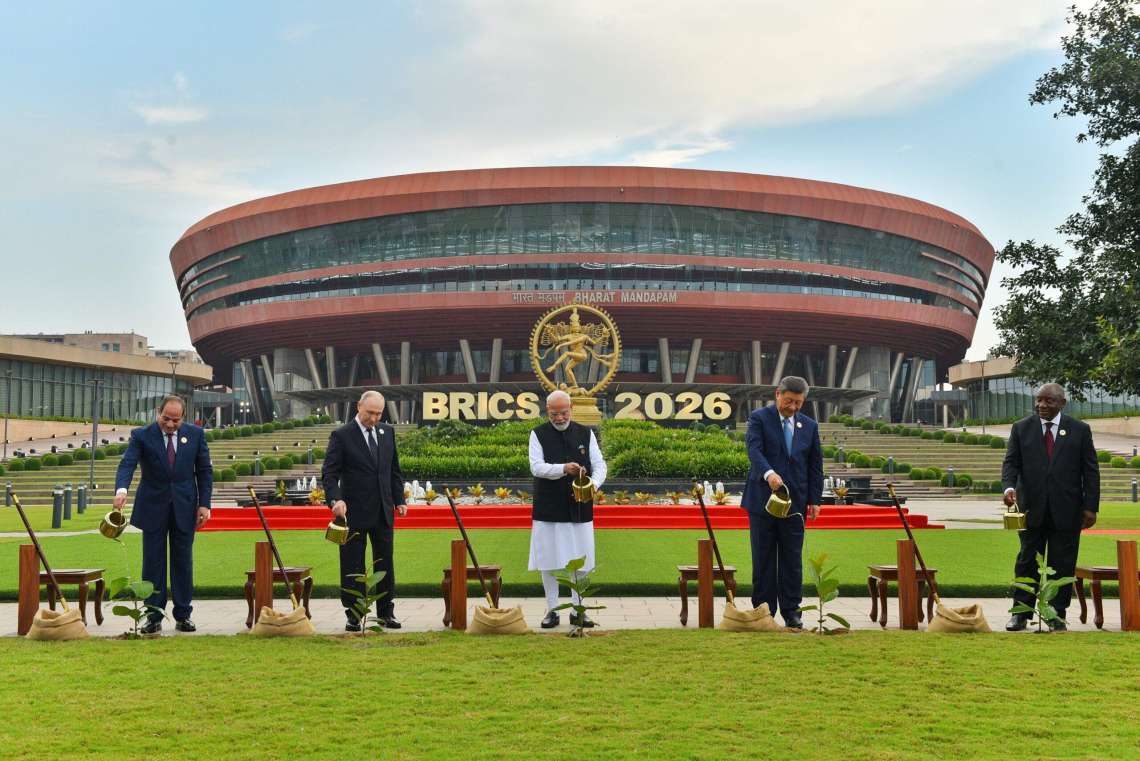
China will remove tariffs on imports from almost every African nation from May 1, expanding an earlier scheme covering dozens of countries. Xi Jinping said the move would create fresh openings for development as African leaders met for the continental summit …reports Asian Lite News
China will scrap tariffs on imports from almost every African country from May 1, according to state media, widening a preferential trade regime that already covers much of the continent. President Xi Jinping announced the start date for the expanded policy, which Beijing said last year would be extended from 33 nations to all 53 African countries with which it has diplomatic relations.
From May, zero levies will apply to all of those partners except Eswatini, the only state on the continent that maintains diplomatic ties with Taiwan. Beijing regards the island as part of its territory and does not rule out the use of force to assert its claim.
China is Africa’s largest trading partner and has become a central financier of railways, ports and other large-scale projects through Belt and Road Initiative programmes that have expanded its economic and political reach. The removal of tariffs is likely to be seen by many governments as another signal of Beijing’s intention to entrench commercial links at a time when global trade relationships are in flux.
The decision comes as a number of African countries seek to diversify their partnerships after Donald Trump imposed steep tariffs worldwide last year, disrupting established export routes and prompting efforts to secure alternative markets. Analysts say easier access to the Chinese market could help some producers, although the overall balance of trade between China and many African economies remains heavily weighted towards Chinese exports.
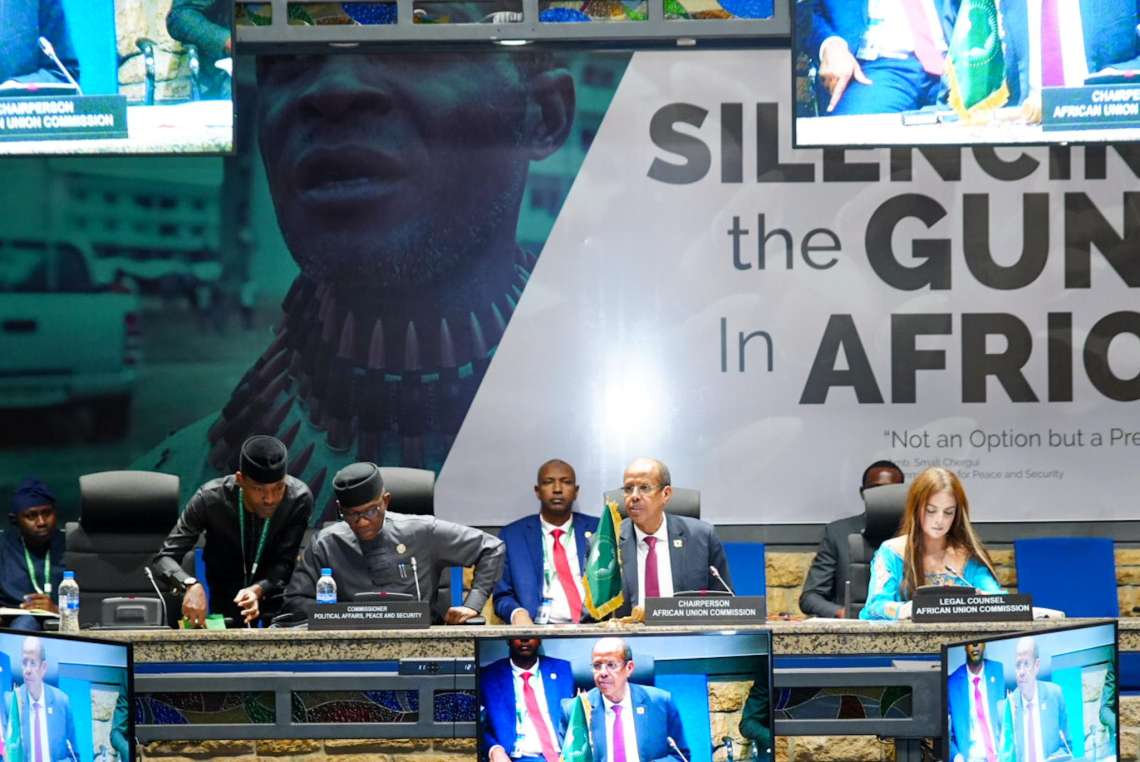
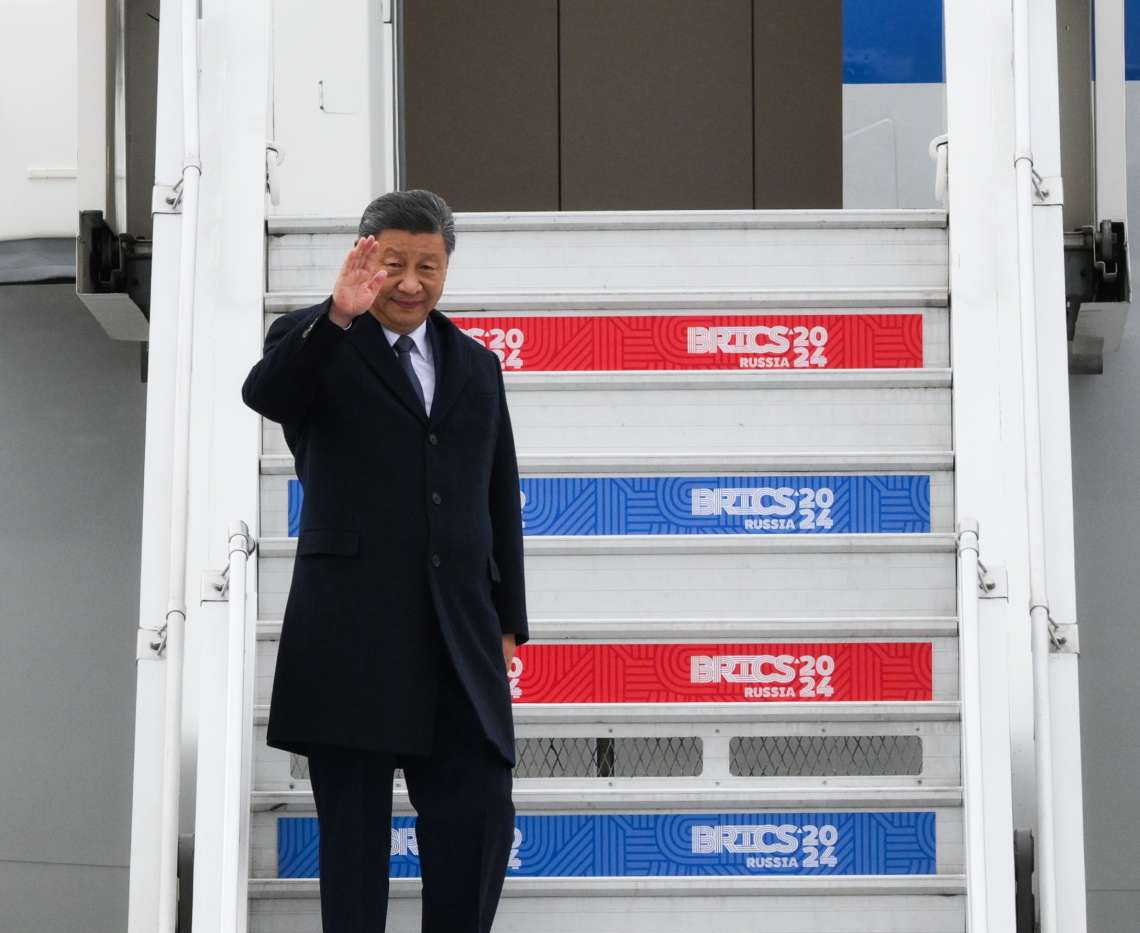
Announcing the timetable, Xi said the zero-tariff deal “will undoubtedly provide new opportunities for African development,” speaking as leaders from across the continent gathered in Addis Ababa for the annual African Union summit. The pledge builds on earlier commitments to increase imports from Africa, which Beijing has framed as part of a broader push for shared growth.
China introduced duty-free access for a group of lower-income African countries in previous years, a scheme officials said was designed to encourage non-resource exports. Last year, Beijing confirmed that the arrangement would be widened to cover all diplomatic partners, leaving Eswatini as the outlier because of its relationship with Taiwan.
The extension underscores how geopolitical considerations continue to shape economic policy. Countries that recognise Taipei rather than Beijing are excluded from many forms of cooperation with China, a position that has reduced Taiwan’s formal allies to a small number of states worldwide.
For African governments, the promise of tariff-free entry into the world’s second-largest economy may offer opportunities in agriculture, manufacturing and minerals, though practical barriers such as standards, logistics and scale are likely to remain. Even so, the announcement provides fresh momentum to ties that have deepened steadily over the past two decades and signals Beijing’s determination to remain a pivotal partner for the continent in an increasingly competitive global environment.