China urges dialogue after Afghan and Pakistani forces clash for days, as Kabul and Beijing discuss rising border tensions and risks to regional stability.
Tensions between Afghanistan and Pakistan dominated diplomatic discussions in Kabul this week as China urged both sides to pursue dialogue and avoid further escalation following several days of cross-border clashes.
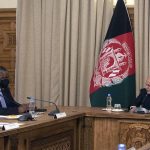
Afghanistan’s acting Foreign Minister Amir Khan Muttaqi met with China’s ambassador to Kabul Zhao Xing to discuss the worsening security situation between Afghanistan and Pakistan, according to reports carried by Afghan media.
The meeting comes after nearly a week of armed confrontations between Afghan and Pakistani forces along their shared frontier, raising concerns among regional powers about the potential impact on stability in South and Central Asia.
According to a statement issued by the Ministry of Foreign Affairs of Afghanistan, the Chinese envoy expressed concern about the deteriorating security situation and emphasised the need for diplomatic engagement to resolve disputes between the neighbouring countries.
During the discussions, Zhao stressed that tensions should be addressed through dialogue and cooperation rather than prolonged confrontation. Beijing, which maintains growing economic and political interests in the region, is keen to prevent instability that could disrupt regional connectivity projects and trade routes.
The statement quoted the Chinese ambassador as warning that external actors could attempt to exploit tensions to undermine regional stability. Zhao argued that countries in the region must strengthen coordination and cooperation in order to counter such challenges and maintain peace.
China has maintained diplomatic engagement with the Taliban authorities in Kabul since the group returned to power in 2021, while also seeking to balance its strategic relations with Pakistan, one of Beijing’s closest partners in the region.
During the meeting, Muttaqi reiterated Kabul’s position that Afghanistan seeks to build constructive relations with neighbouring states based on mutual respect and non-interference in domestic affairs.
He emphasised that the sovereignty and territorial integrity of Afghanistan remain core principles for the government in Kabul and are essential for maintaining stability across the wider region.
According to the statement, the Afghan foreign minister said the Islamic Emirate pursues a balanced foreign policy focused on economic development and regional cooperation. He added that good neighbourly relations must be built on trust, respect for sovereignty and a commitment to avoiding actions that could damage bilateral ties.
Muttaqi also warned that any actions that undermine these principles could not only harm relations between Afghanistan and Pakistan but also create broader security challenges across the region.
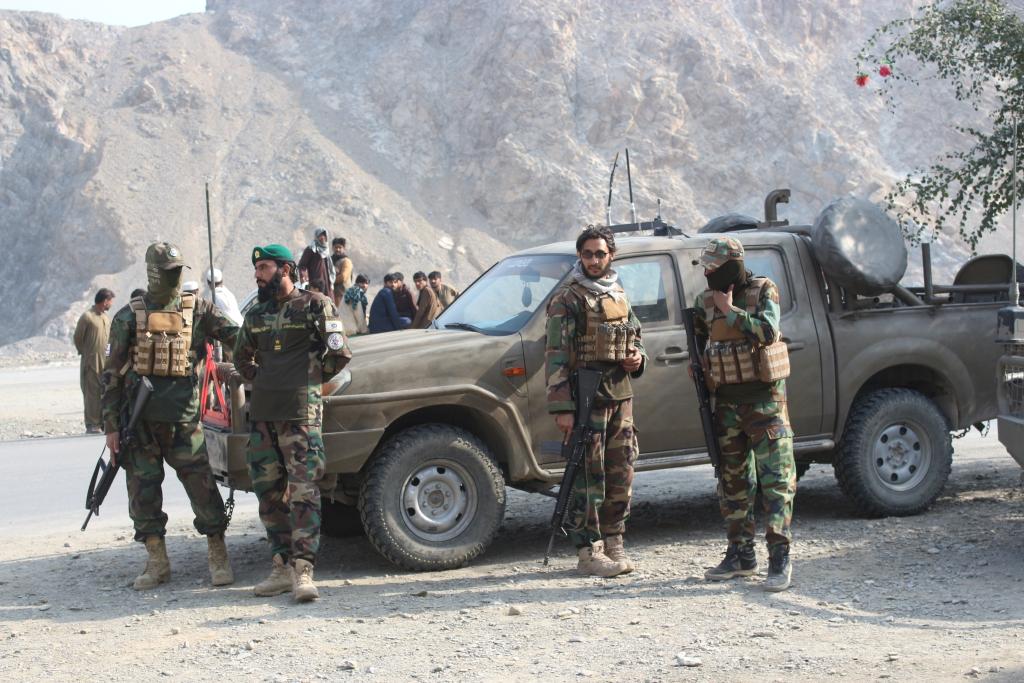
The diplomatic engagement comes at a time when clashes along the Afghanistan-Pakistan border have entered their seventh consecutive day. The escalating violence has heightened fears of a prolonged confrontation that could further strain relations between the two neighbours.
Afghanistan’s authorities recently announced the continuation of a military campaign described as “Radd-e-Zulm,” stating that the operation would continue until what Kabul described as Pakistani attacks come to an end.
Analysts say the situation remains fragile and that sustained diplomatic engagement will be necessary to prevent further escalation.
Military analyst Asadullah Nadim said that a negotiated settlement would benefit both countries and contribute to broader regional stability. However, he warned that if either side fails to respect agreed rules or understandings, tensions could intensify and threaten security across the region.
The meeting between Afghan and Chinese officials highlights Beijing’s growing diplomatic role in regional conflict management, particularly as instability along Afghanistan’s borders raises concerns about cross-border militancy, refugee flows and disruptions to economic connectivity projects.
Observers say China’s call for dialogue reflects a broader effort by regional stakeholders to encourage restraint and promote political solutions as the Afghanistan-Pakistan standoff continues to unfold.