India reaffirms deep civilisational ties with Afghanistan, pledging sustained humanitarian aid, development projects and global cooperation to support stability, healthcare, education and long-term recovery efforts….reports Asian Lite News Desk
India has reaffirmed its long-standing commitment to Afghanistan, describing the relationship as one rooted in shared history, geography and civilisational ties, even as the war-torn country continues to grapple with humanitarian and developmental challenges.
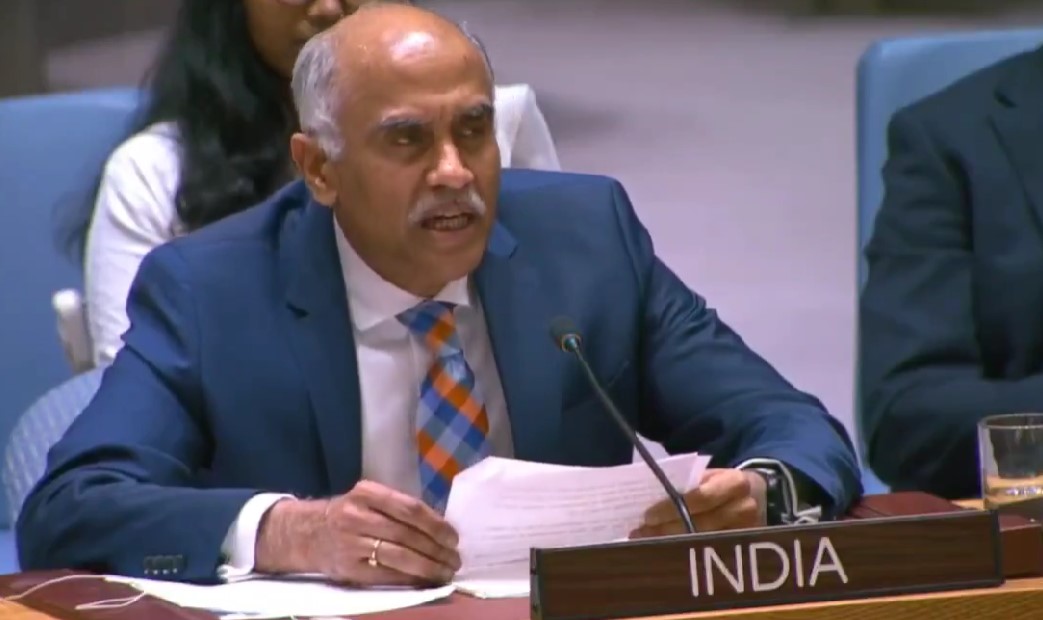
Addressing a United Nations Security Council meeting during a briefing on Afghanistan, India’s Permanent Representative to the UN Parvathaneni Harish underlined that New Delhi remains steadfast in its support for the Afghan people. He described India and Afghanistan as “contiguous neighbours” and “civilisational states”, emphasising that centuries-old ties continue to shape contemporary engagement.
“India and Afghanistan are contiguous neighbours, and as civilisational states, our ties have spanned centuries,” Harish said, adding that the relationship has consistently been guided by cooperation and mutual respect. He stressed that India will continue to support efforts aimed at ensuring peace, stability and development in Afghanistan.
India’s engagement, he noted, extends beyond diplomatic messaging to a wide-ranging humanitarian and development partnership. Over the years, New Delhi has implemented more than 500 projects across all 34 provinces of Afghanistan, focusing on key sectors such as healthcare, infrastructure and capacity building.
Harish highlighted that India is working closely with international organisations and local partners to ensure aid reaches those in need. Collaboration with agencies such as UNICEF and the Afghan Red Crescent has been central to delivering targeted support, particularly in health and social welfare sectors.
Amid growing concerns that Afghanistan is facing declining global attention, India pointed to its continued humanitarian assistance as evidence of sustained commitment. Harish remarked that while Afghans have endured decades of conflict, they are now at risk of being overlooked by the international community.
In April this year, India supplied three tonnes of specialised flood relief materials to communities affected by recent disasters. These included essential items such as kitchen kits, hygiene supplies, tarpaulins and sleeping bags. In a significant push to support public health, India also delivered 33 tonnes of vaccines, including BCG and tetanus-diphtheria doses, along with related medical supplies to Kabul.
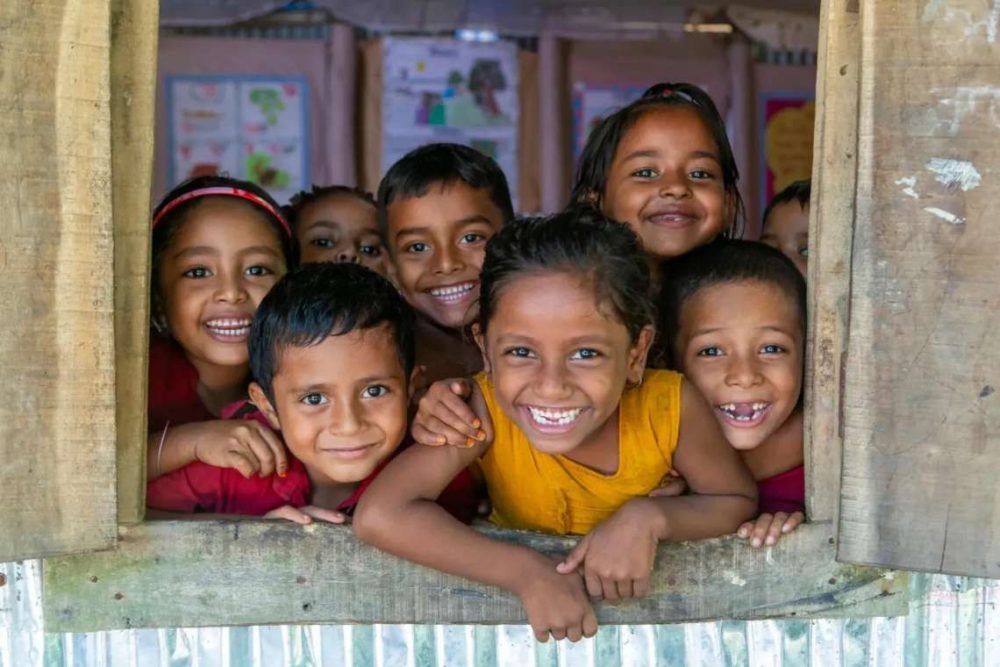
Healthcare remains a cornerstone of India’s assistance efforts. Afghan children suffering from congenital heart conditions are being treated in India, while infrastructure projects within Afghanistan continue to expand. These include the establishment of maternity clinics in rural provinces such as Paktika, Khost and Paktia, as well as the upgrading of the Indira Gandhi Institute of Child Health in Kabul.
Further projects underway include the construction of oncology and trauma centres in Kabul, alongside plans for a 30-bed hospital and a specialised thalassemia centre in Herat. According to Harish, the installation of advanced medical equipment across hospitals will significantly strengthen the country’s healthcare capacity.
India’s humanitarian outreach has also been extensive in scale. Since August 2021, it has supplied more than 50,000 tonnes of wheat, 420 tonnes of medicines and vaccines, and 40,000 litres of pesticide to Afghanistan. Following devastating earthquakes last year, India was among the first responders, providing food supplies, relief materials and essential medicines.
In partnership with the UN Office on Drugs and Crime, India has also contributed medical supplies and social support items aimed at rehabilitating drug-dependent individuals, addressing a growing public health concern in the country.
Education has emerged as another key pillar of engagement. Harish noted that India’s scholarship and fellowship programmes continue to attract Afghan students, with around 3,000 beneficiaries since 2023, including a significant number of women. Plans are underway to expand these initiatives, with an additional 1,000 scholarships to be offered for higher education.
India has also extended financial and logistical support to women-led self-help groups in Afghanistan, reflecting a broader emphasis on inclusive development and empowerment.
The remarks come at a time when Afghanistan remains in a fragile state, facing economic hardship, humanitarian crises and limited international engagement. India’s position, as articulated at the UN, signals a continued willingness to play a constructive role, both bilaterally and through multilateral platforms.