India’s envoy in Washington engages top US corporate, tech and security leaders, boosting cooperation on AI, supply chains and counter-terrorism under an expanding strategic partnership, reports India Daily News Desk
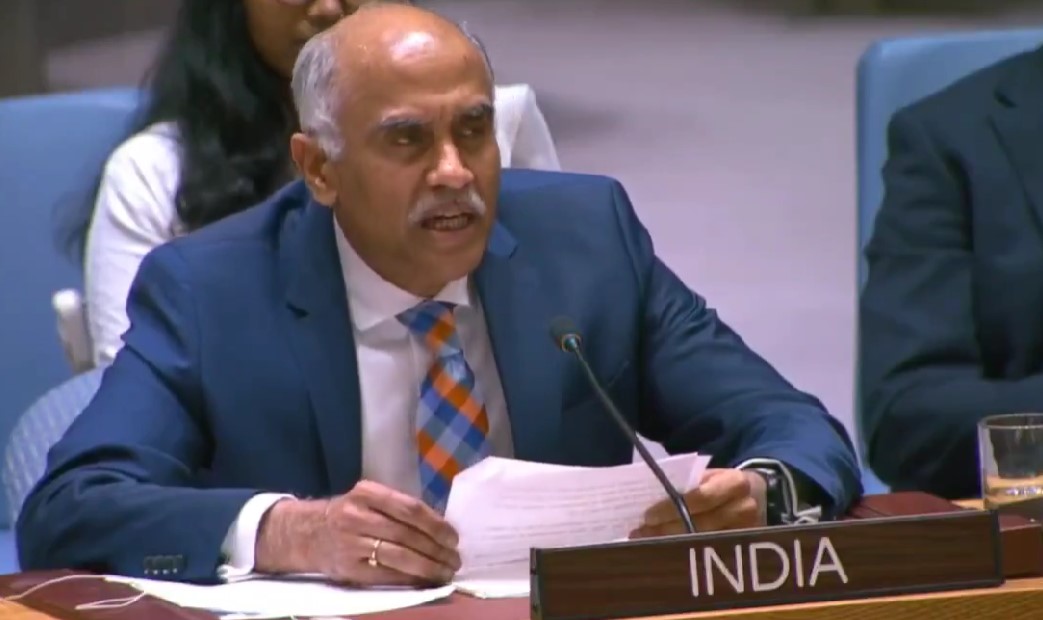
India’s Ambassador to the United States Vinay Mohan Kwatra has stepped up high-level engagement with American corporate, technology and security leaders, signalling a broad-based push to deepen economic, technological and strategic ties between New Delhi and Washington.
In a series of meetings detailed through official updates, Kwatra focused on expanding investment flows, strengthening supply chain resilience and advancing cooperation in emerging technologies such as artificial intelligence and quantum computing. The engagements reflect India’s growing emphasis on aligning its economic and tech ambitions with key global partners, particularly the United States.
Among the most prominent interactions was Kwatra’s meeting with Chris Nicholas, President and Chief Executive Officer of Walmart. The discussions centred on the retail giant’s expanding presence in India, long-term investment outlook and its role in building robust and diversified supply chains.

Describing the interaction as productive, the ambassador said the conversation covered Walmart’s continued commitment to India’s growth story and its strategic role in supporting resilient supply networks—an area that has gained increasing importance amid global disruptions and geopolitical uncertainties.
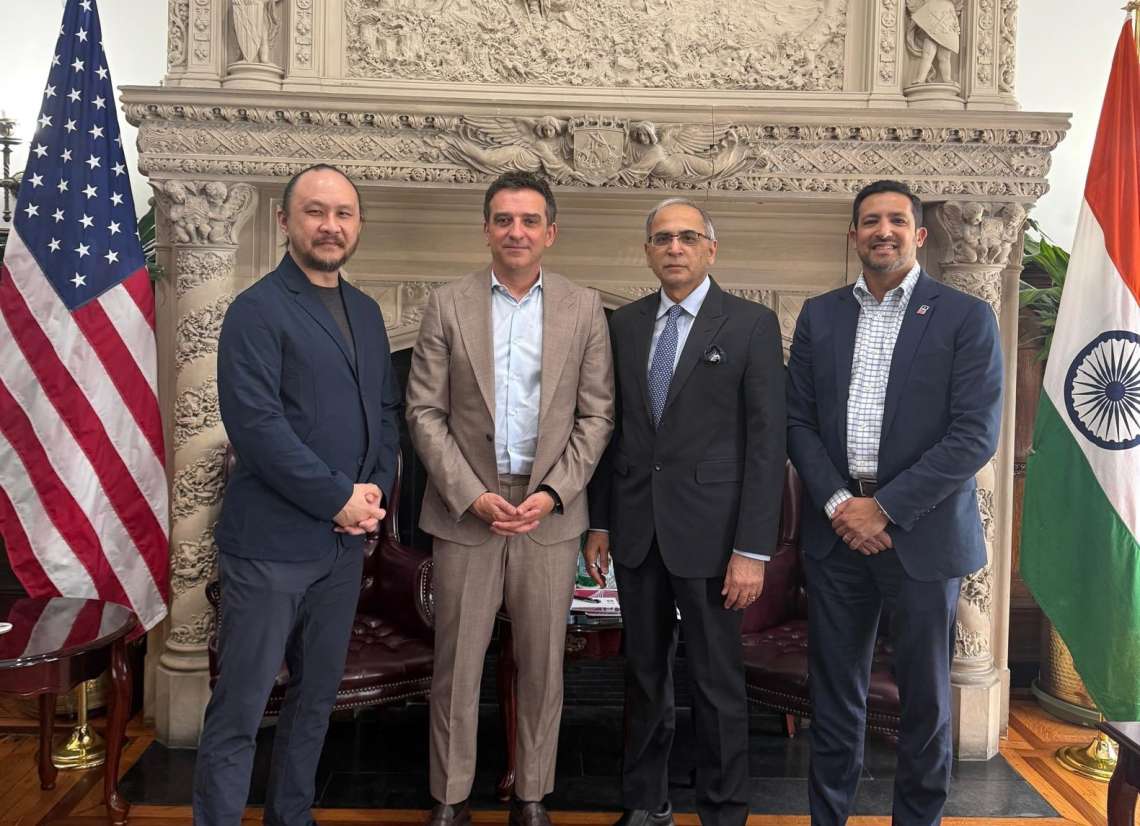
In parallel, Kwatra engaged with Ylli Bajraktari, President and CEO of the Special Competitive Studies Project, in a discussion that underscored the future trajectory of India-US technological collaboration. The meeting comes ahead of Bajraktari’s scheduled visit to New Delhi for the India-US Forum, where emerging technologies are expected to dominate the agenda.
The dialogue focused on next-generation innovation areas, including artificial intelligence, quantum technologies and what was described as “physical AI”. Both sides also exchanged views on expanding bilateral cooperation in the technology space, reflecting the increasing convergence of strategic and economic priorities in this domain.
These engagements highlight India’s intent to position itself as a key partner in the global technology ecosystem, particularly in areas that will define future economic competitiveness. As digital transformation accelerates worldwide, collaboration with US institutions and think tanks is seen as critical to shaping standards, governance frameworks and innovation pipelines.
Alongside economic and technological discussions, Kwatra also reinforced the security dimension of India-US ties through a meeting with Sebastian Gorka, Deputy Assistant to the US President and Senior Director for Counterterrorism at the National Security Council.

The talks focused on evolving global terrorism threats and ongoing cooperation between the two countries in counter-terrorism efforts. Kwatra noted that the discussions were aligned with commitments outlined in the India-US Joint Statement issued following the summit between Prime Minister Narendra Modi and US President Donald Trump in February 2025.
That joint framework emphasised enhanced intelligence sharing, coordinated action against terror networks and efforts to dismantle safe havens used by extremist groups. It also identified organisations such as Al-Qaida, ISIS, Jaish-e-Mohammad and Lashkar-e-Tayyiba as shared threats requiring sustained cooperation.
Recent developments have underscored the operational dimension of this partnership. The United States’ decision to extradite Tahawwur Rana, linked to the 2008 Mumbai terror attacks, was cited as an example of growing accountability and coordination between the two countries in addressing cross-border terrorism.
The broader security dialogue also includes commitments to prevent the proliferation of weapons of mass destruction and to ensure that such capabilities do not fall into the hands of non-state actors or terrorist organisations—an area of increasing concern in global security circles.
Together, these engagements illustrate the multi-layered nature of India-US relations, spanning trade, technology and defence. The emphasis on supply chains, digital innovation and counter-terrorism reflects a partnership that is evolving beyond traditional diplomacy into a comprehensive strategic alignment.