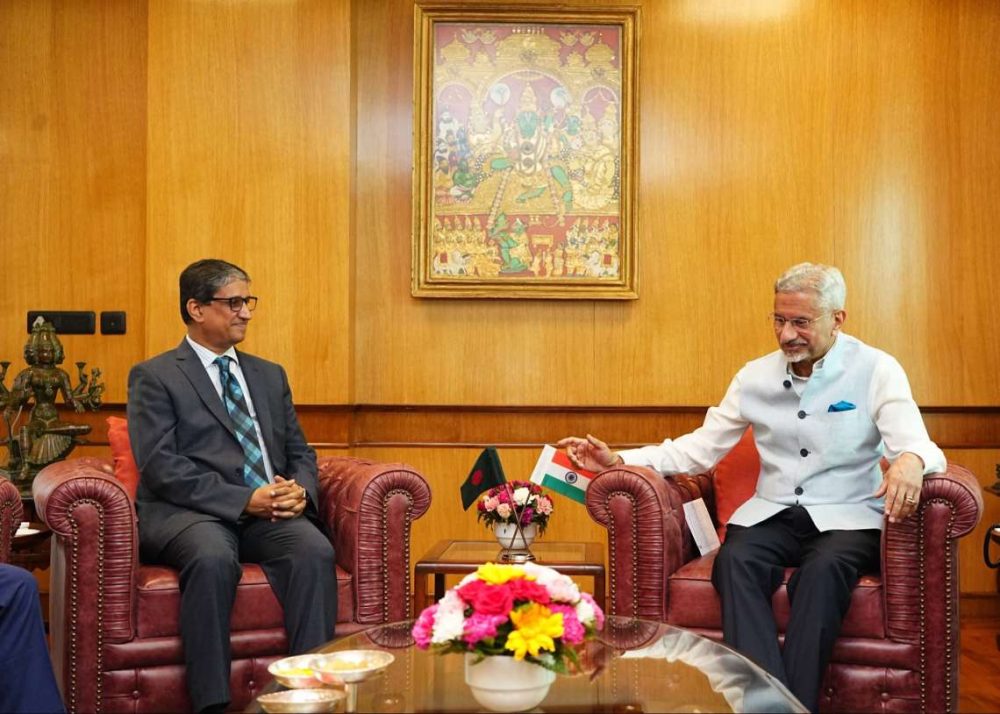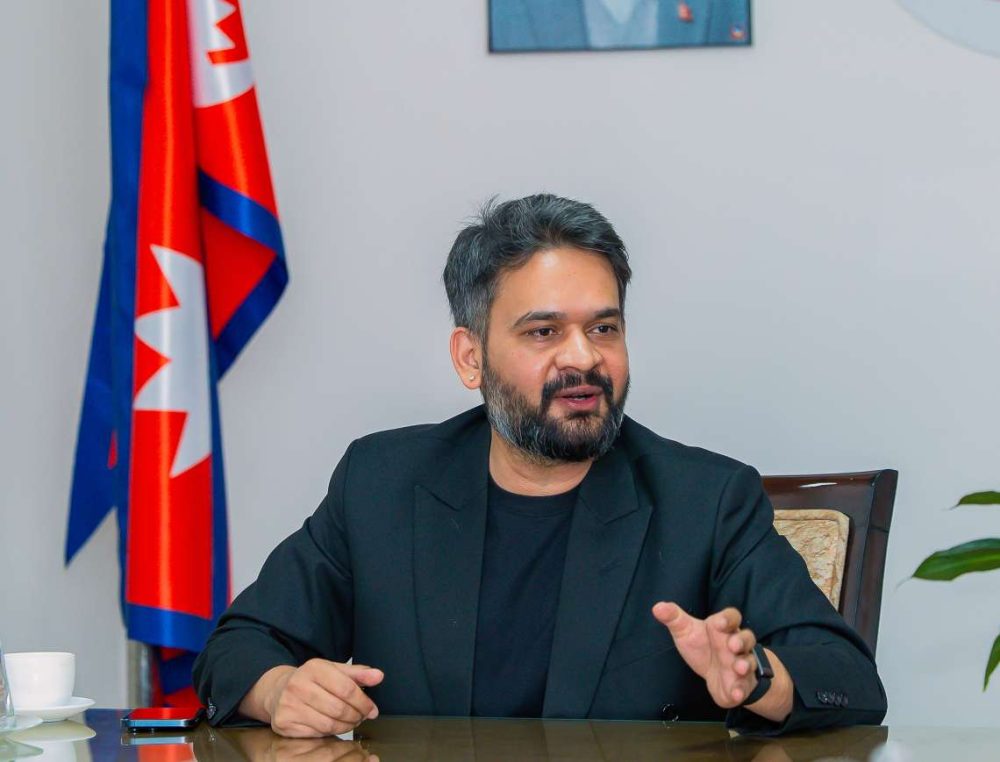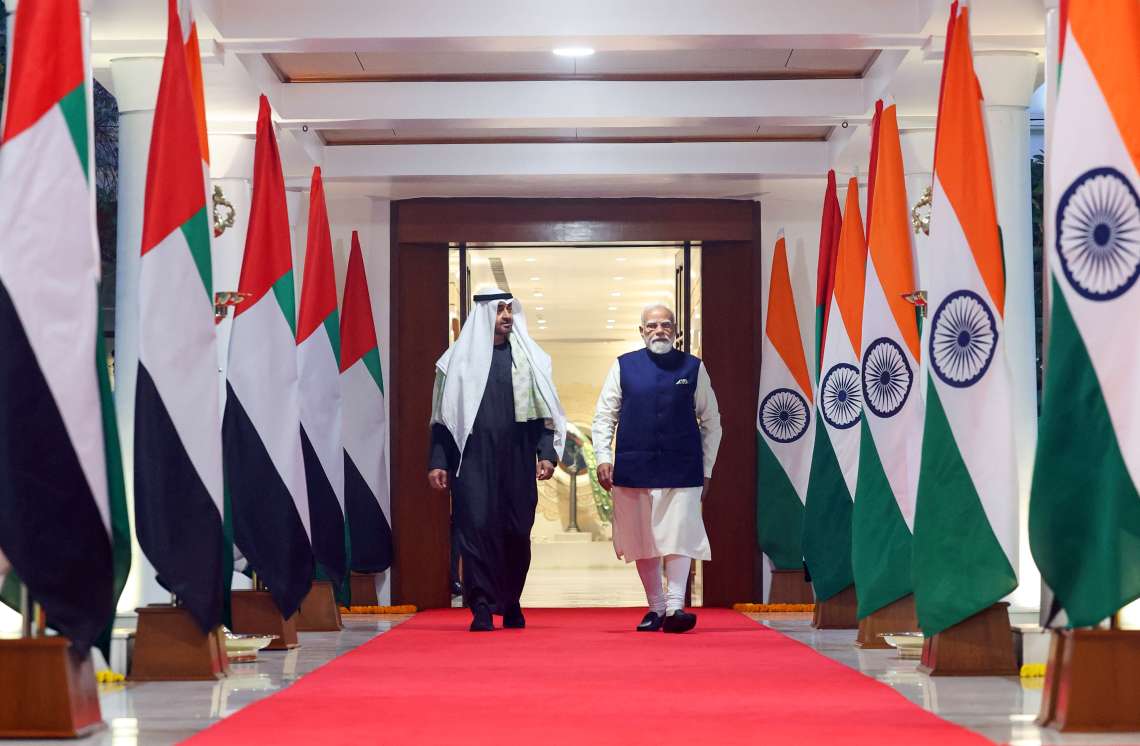
India is set to host Arab League ministers in New Delhi, with Syria emerging as a central focus of the talks. The meeting signals renewed regional engagement with Damascus amid shifting geopolitical alignments in West Asia…reports Asian Lite News
A gathering of foreign ministers of Arab League states in New Delhi is expected to turn the spotlight on Syria, marking the first contact at ministerial level between New Delhi and the government of President Bashar al-Assad since the outbreak of the Syrian conflict. The meeting, scheduled for Tuesday, is expected to underline India’s efforts to re-engage diplomatically with Damascus while also broadening cooperation with the Arab League across political, economic and strategic domains.
The visit comes at a time when several Arab states are reassessing their relationship with Syria after years of suspension and limited engagement following the civil war that began in 2011. India has maintained working-level contacts with Damascus but has not hosted Syrian officials at a senior political level in more than a decade. The presence of Arab League ministers in the Indian capital is therefore being closely watched for its potential diplomatic implications.
External Affairs Minister S Jaishankar said the meeting would help advance India’s engagement with the region. “The international meeting in India is aimed at leveraging Indian diplomatic profile to Damascus in mid-2025 for meetings with Syrian counterparts, the first such visit from India since al-Assad assumed office as President,” he said. The remarks suggest that New Delhi is considering a calibrated diplomatic outreach to Syria, facilitated through broader engagement with Arab partners.
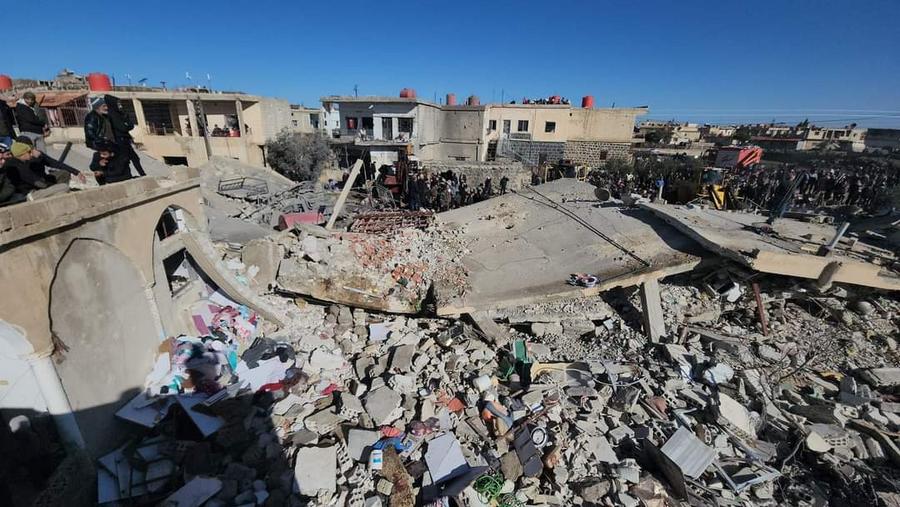
The timing of the meeting is also significant against the backdrop of a changing Middle East. In recent years, several Arab countries have moved towards restoring ties with Damascus, arguing that engagement is necessary to stabilise Syria and address issues such as refugees, terrorism and regional security. Syria was readmitted to the Arab League in 2023, ending more than a decade of isolation within the regional bloc.
India’s engagement with the Arab League has expanded steadily, reflecting its growing economic and strategic interests in West Asia. The region remains a crucial source of energy for India and is home to a large Indian diaspora. New Delhi has sought to balance relations across competing regional blocs while maintaining its long-standing support for state sovereignty and non-interference.
Officials said the New Delhi meeting would focus on enhancing cooperation between India and the Arab League in areas including trade, investment, food security, energy, technology and cultural exchanges. Discussions are also expected to touch on regional developments, including conflicts in West Asia and their wider global impact. While Syria is not formally on the agenda as a standalone item, diplomats acknowledged that it would be an important part of the conversations.
The Arab League delegation is expected to include foreign ministers and senior officials from member states, reflecting the bloc’s intent to use the India meeting to project a more unified regional stance. For India, hosting the meeting provides an opportunity to position itself as a constructive partner and dialogue facilitator at a time of heightened global uncertainty.
India has previously supported humanitarian assistance efforts in Syria, including the supply of medicines and relief materials following natural disasters. However, it has also been cautious in navigating international sanctions and geopolitical sensitivities surrounding the Assad government. Any move towards higher-level political engagement is likely to be gradual and closely coordinated with regional and international partners.
Analysts say the meeting underscores India’s desire to play a more active diplomatic role beyond its immediate neighbourhood. By engaging with the Arab League as a collective body, New Delhi is seeking to strengthen ties with the Arab world while keeping channels open with all key actors, including Syria.
The New Delhi talks are not expected to produce major policy announcements but are seen as laying the groundwork for deeper engagement. For Syria, renewed interaction through platforms such as the Arab League offers a pathway back into broader international diplomacy. For India, the meeting reinforces its ambition to be a relevant and balanced interlocutor in a region undergoing significant political realignment.