Sri Lanka sees dengue surge while Bangladesh battles deadly measles outbreak, exposing gaps in sanitation, vaccination coverage and public health systems across the region, reports London Daily News Desk
South Asia is facing a growing public health concern as Sri Lanka records a sharp surge in dengue infections while Bangladesh continues to grapple with a worsening measles outbreak, exposing gaps in sanitation, vaccination coverage and disease control systems across the region.
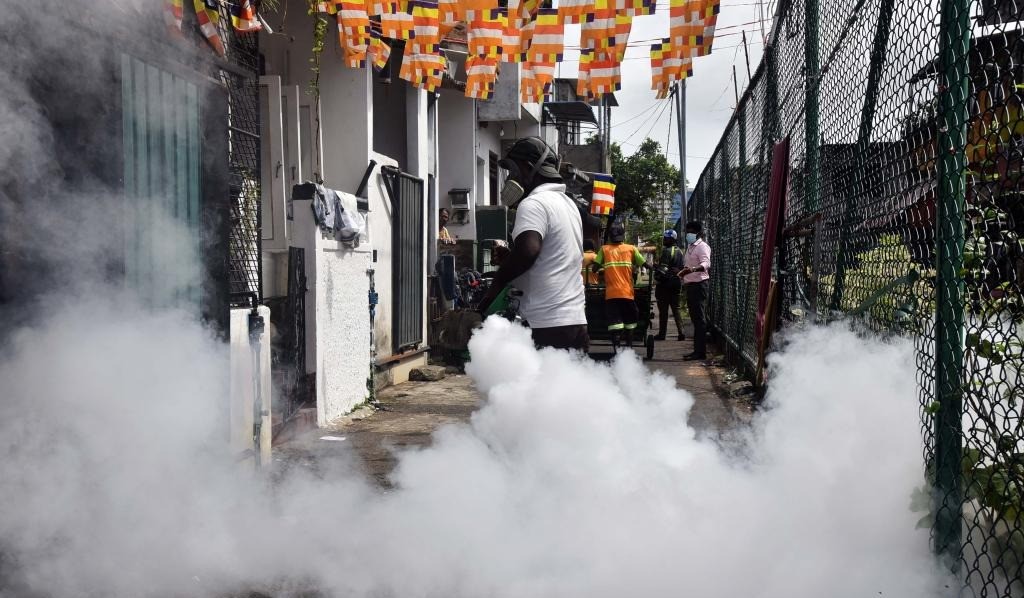
In Sri Lanka, health authorities have reported a sudden spike in dengue cases, with 1,069 infections recorded within a 24-hour period. The surge has pushed the total number of dengue cases in the country this year to 47,179, with 28 deaths reported so far, according to data cited by local media. The figures mark a significant escalation from typical non-epidemic trends, when daily infections usually range between 150 and 200 cases.
Officials say that in recent weeks, the country had already been witnessing elevated transmission levels, with daily cases climbing to between 600 and 650. The latest jump beyond 1,000 cases in a single day has intensified concerns about the trajectory of the outbreak and the capacity of public health systems to contain it.
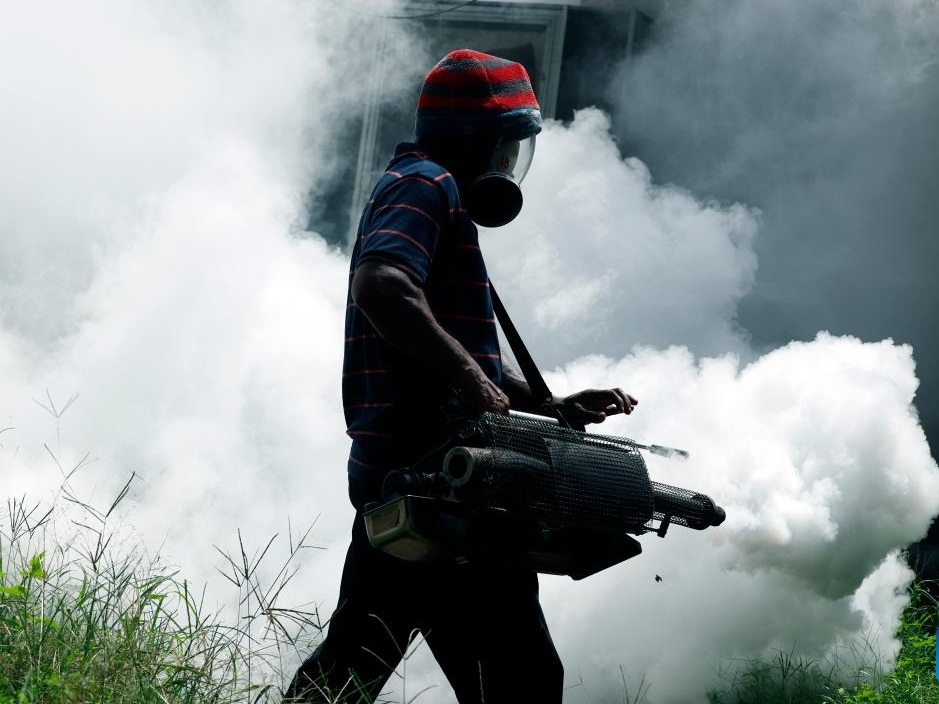
Health experts have pointed to environmental factors as a key driver of the spike. Particular concern has been raised over garbage accumulation near Sri Lanka’s Ministry of Health in Colombo, where waste has reportedly been left unattended for several days. According to medical professionals, the build-up of refuse along Norris Canal Road and surrounding areas has created ideal breeding conditions for dengue-carrying mosquitoes.
Chamal Sanjeewa, Chairman of the Doctors’ Trade Union Alliance for Medical and Civil Rights, warned that discarded waste, including organic materials such as fruit peels, can collect rainwater and become breeding grounds for mosquitoes. He said the problem extends beyond public spaces, affecting nearby residential buildings, hotels and healthcare facilities.
The proximity of these conditions to the National Hospital of Sri Lanka and other private hospitals has heightened alarm, with experts cautioning that patients already undergoing treatment could face increased exposure to infection risks. Calls have been made to municipal authorities and health officials to urgently remove the waste and implement sanitation measures to curb mosquito breeding.
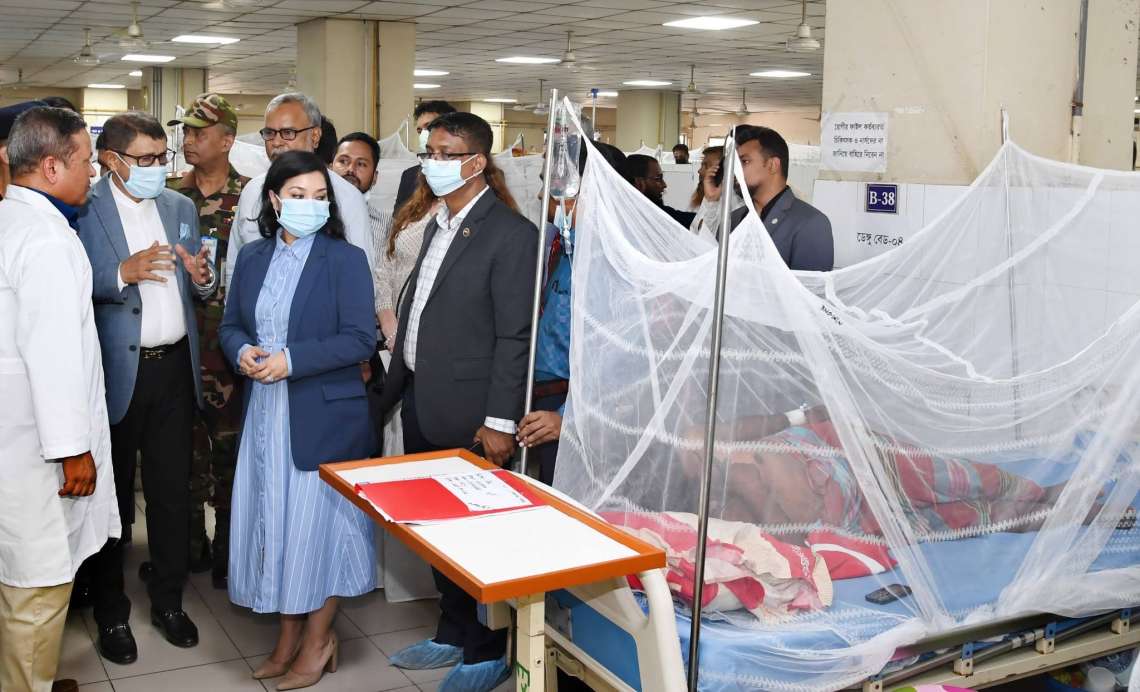
While Sri Lanka deals with a vector-borne disease outbreak, Bangladesh is confronting a parallel crisis driven by vaccine-preventable illness. The country has reported a rising number of measles cases and deaths, with three additional children dying in a 24-hour period, bringing the total number of confirmed and suspected fatalities to 680.
According to the Directorate General of Health Services, 587 of these deaths are classified as suspected, while 93 have been laboratory confirmed. The outbreak has also seen a sharp rise in infections, with more than 92,000 suspected measles cases recorded nationwide. Of these, over 11,000 cases have been confirmed through laboratory testing.
Hospital data indicates that since mid-March, more than 76,000 patients with suspected measles have required hospitalisation. While a large majority have recovered, the continued rise in infections suggests that transmission remains widespread and uncontrolled in several parts of the country.
Health experts have attributed the persistence of the outbreak to gaps in vaccination coverage. Public health specialist Mushtuq Husain said that measles cases are not declining because immunisation rates have not reached the 95 per cent threshold required to achieve herd immunity in all areas. He also pointed to weaknesses in infection prevention and control practices in both healthcare settings and communities.
The situation has been further complicated by concerns that the onset of dengue season could exacerbate risks for children already weakened by measles infections. Experts warn that co-circulation of infectious diseases can increase the likelihood of severe complications and strain healthcare resources.
The outbreak has also taken on a political dimension. Former Prime Minister Sheikh Hasina has criticised both the previous interim administration led by Muhammad Yunus and the current government, alleging that disruptions to vaccination programmes and administrative failures have contributed to the spread of the disease. In a statement, she described the situation as an avoidable crisis, claiming that negligence had allowed infections to escalate into an epidemic.
Despite a nationwide vaccination drive that reportedly covered 1.84 crore children in recent weeks, infections have continued to rise, raising questions about the effectiveness of coverage and the implementation of immunisation strategies in vulnerable regions.