Interim India-US trade deal framework suggests New Delhi has secured one of Washington’s most favourable tariff regimes, boosting export competitiveness and strengthening India’s global trade position.
India appears to have emerged as a major winner from the interim framework of a new trade deal with the United States, with early indications suggesting New Delhi has secured more favourable terms than many other countries, including its regional neighbours.
Although full details of the agreement are still awaited, the framework points to a uniform US tariff rate of 18 per cent on Indian goods, a level that places India ahead of most competing exporters in Asia and the wider Global South. Officials and analysts say the structure of the deal gives India a relative edge in access to the American market at a time of rising protectionism.
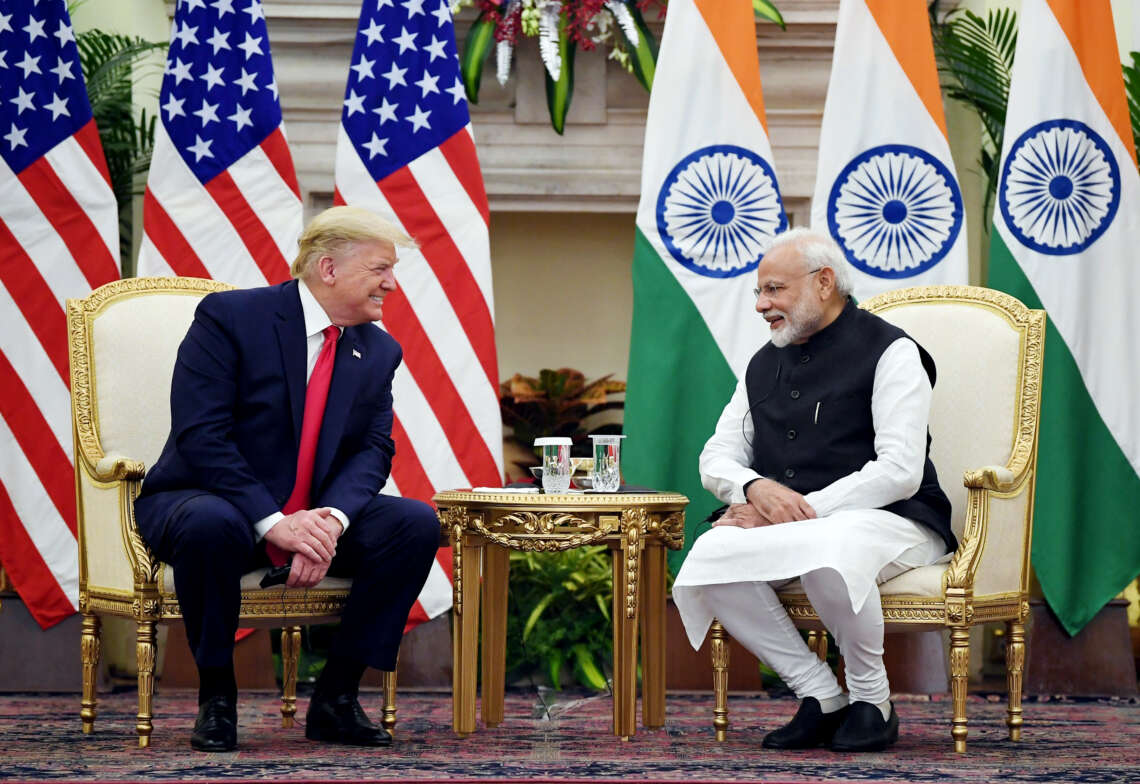
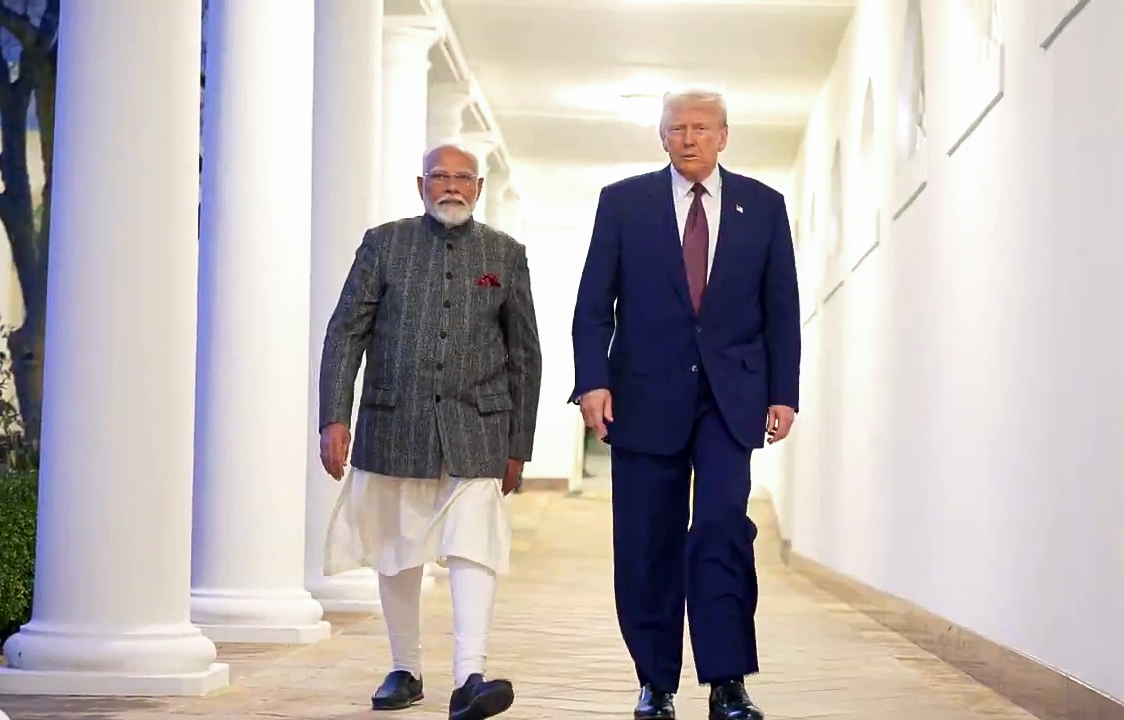
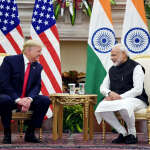
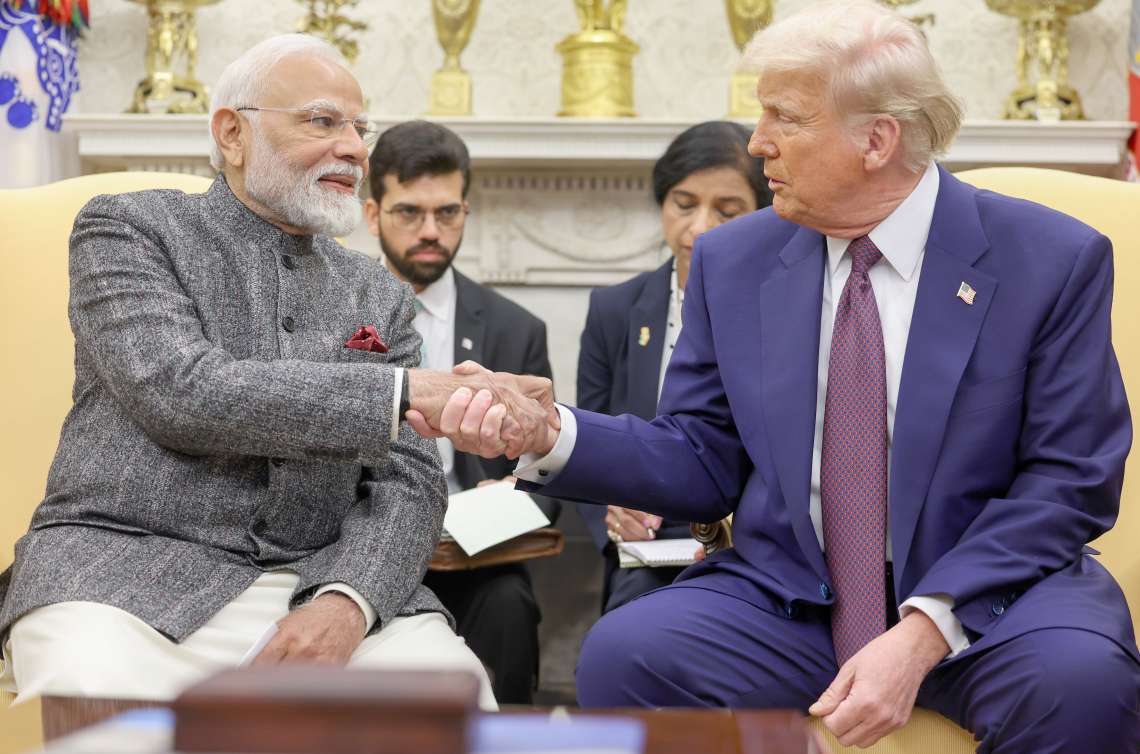
The agreement is being framed as a boost for cooperation between the world’s two largest democracies, unlocking new opportunities for farmers, micro, small and medium enterprises, entrepreneurs and skilled workers. By lowering trade friction and improving market predictability, the framework is expected to strengthen export momentum across key Indian sectors.
India’s 18 per cent tariff rate compares favourably with several countries in its neighbourhood and beyond, many of which face significantly higher or more uncertain barriers to US trade. It also narrows the gap with Europe, where exporters face a 15 per cent tariff, reducing the competitive disadvantage Indian firms have traditionally faced in transatlantic trade.
The tariff imposed on Indian goods now sits close to those applied to some of Washington’s closest allies. The United Kingdom faces a 10 per cent rate, while the European Union, Switzerland, Japan and South Korea are each subject to tariffs of around 15 per cent. Analysts say this alignment signals a shift in how the US views India within its broader trade and strategic calculus.
By contrast, several countries face far steeper US tariffs. Brazil is subject to rates as high as 50 per cent, while Myanmar and Laos face tariffs of 40 per cent. China’s exports are hit with tariffs of around 37 per cent, and South Africa faces duties of about 30 per cent. The differential significantly improves India’s price competitiveness in the US market.
Export-oriented sectors such as textiles, apparel, leather goods, chemicals and engineering products are expected to be among the immediate beneficiaries. The narrower tariff gap is likely to help Indian exporters gain market share while strengthening India’s position against regional rivals competing largely on cost.
The framework is also seen as opening the door to deeper tariff liberalisation in future, with the potential removal of duties on a wider range of Indian goods. Economists say this could further tilt trade dynamics in India’s favour, particularly as global supply chains continue to realign.
DBS Group Research senior economist Radhika Rao described the development as “unequivocally positive” for exports, market sentiment and financial markets. She said textiles, gems and jewellery, engineering goods, leather and chemicals were likely to see early gains, even as businesses await greater clarity on the final contours of the agreement.
India now ranks among the countries facing the lowest US tariff rates under the Donald Trump administration, ahead of several Asian economies including China, Pakistan, Indonesia, Bangladesh and Vietnam. Observers say the deal reinforces India’s growing strategic and economic relevance to Washington at a time of intensifying global trade competition.