The data shows long-running disputes between City Hall and foreign missions over whether diplomatic vehicles are liable for the charge…reports Asian Lite News
The amount owed by diplomats in unpaid congestion charges has risen to £165m, new figures reveal, with the largest outstanding debts belonging to the embassies of the United States (£15.9m), China (£11.5m), Japan (£10.9m) and India (£10.1m), according to Transport for London (TfL). In total, 146 embassies and high commissions are recorded as having unpaid fees, highlighting a persistent issue that has spanned more than two decades since the scheme was first introduced.
At the other end of the scale, several missions owe only small sums. Indonesia has an outstanding balance of £90, while Togo owes £120 and both the Netherlands and Peru owe £180. TfL said that “foreign diplomats and consular staff are not exempt from paying the congestion charge”, maintaining that the rules apply equally to all vehicles using the charging zone, regardless of diplomatic status.
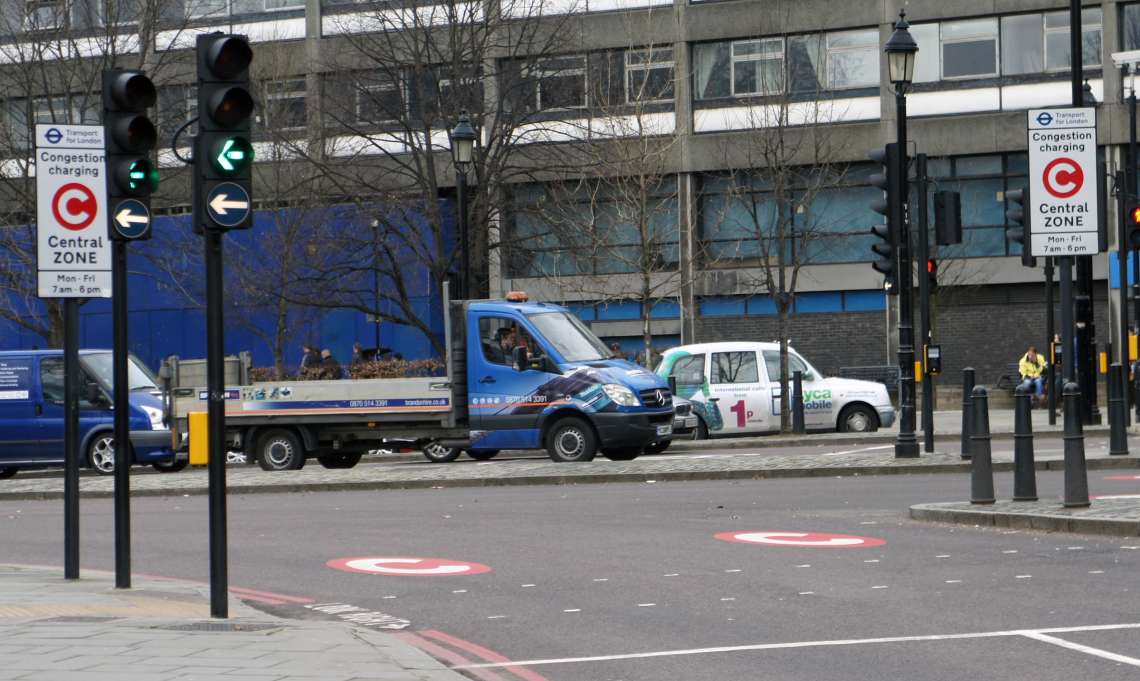
The congestion charge requires drivers in central London to pay £18 to use non-electric vehicles between 07:00 and 18:00 on weekdays and from noon until 18:00 on weekends and bank holidays. A penalty of £180 is issued if the charge is not paid. The figures were released under Freedom of Information laws and cover the period from 2003, when the daily fee was £5, to 30 September 2025, by which time the charge had risen to £15.
The data shows that some embassies have regularly paid the charge but still have significant debts. The embassy of Saudi Arabia paid the largest number of daily charges, 47,538, between 2017 and 2025, yet it still owes TfL £260,560. The embassies of Egypt and Qatar paid 37,117 and 33,887 charges respectively during the same period, but they still owe £244,000 and £48,620.
By contrast, the United States embassy purchased just 76 daily charges during those years, despite holding the single largest overall debt. A US embassy spokesperson said: “In accordance with international law as reflected in the 1961 Vienna Convention on Diplomatic Relations, our position is that the congestion charge is a tax from which diplomatic missions are exempt. Our long-standing position is shared by many other diplomatic missions in London.”
This stance reflects a wider disagreement between TfL and several foreign governments over the legal status of the charge. Some diplomatic missions argue that the congestion charge amounts to a tax, from which they are exempt under international conventions, while TfL maintains that it is a fee for a service and therefore payable.
TfL said it continues to pursue outstanding amounts. A spokesperson said: “We continue to pursue all unpaid congestion charges and related penalty charge notices.” However, the organisation has limited powers to enforce payment against diplomatic missions, as vehicles registered to embassies are protected from many standard enforcement measures.
The issue has resurfaced periodically since the congestion charge was launched in 2003, with successive mayors of London pressing for payment. Over the years, the charge has increased significantly and the charging hours have expanded, particularly with the introduction of weekend charging. At the same time, London has introduced additional measures aimed at reducing traffic and emissions, including the Ultra Low Emission Zone, though these operate under separate rules.
The latest figures underline the scale of the unresolved dispute. While some embassies have chosen to pay regularly, others continue to contest the charge in principle, resulting in debts that collectively run into nine figures. For TfL, the unpaid sums represent lost revenue that could otherwise be used to support public transport services, while for diplomatic missions the issue remains tied to differing interpretations of international law and the nature of London’s road pricing system.