Nepal resumes hydropower exports to Bangladesh via India, advancing trilateral energy cooperation and signalling growing momentum towards an integrated regional electricity market in South Asia, reports India Daily News Desk
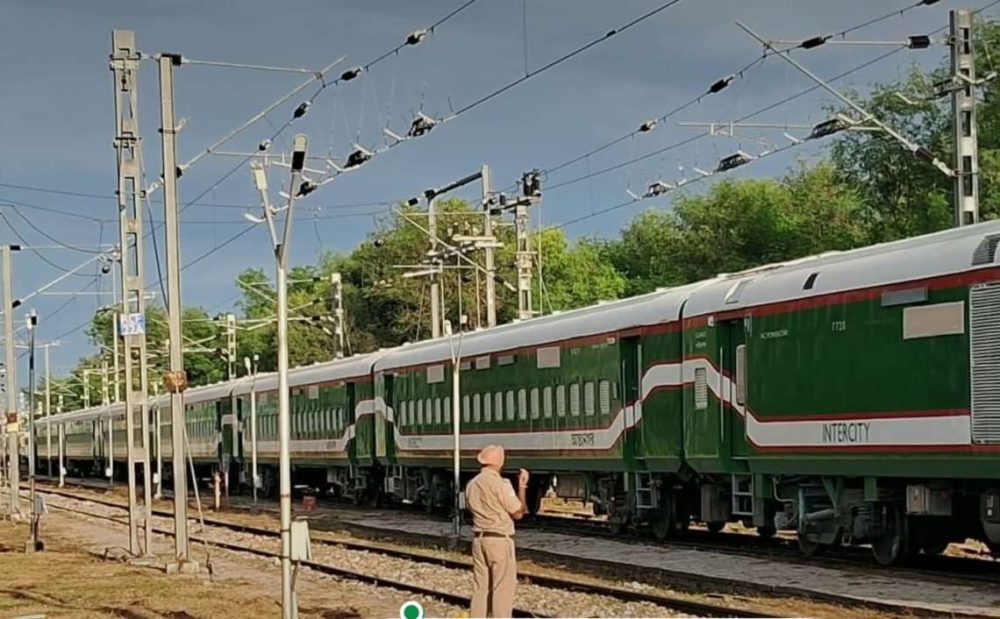
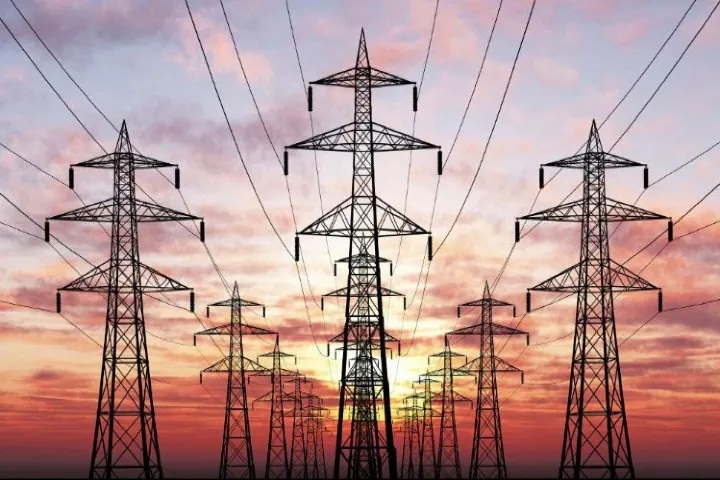
A new phase of regional energy cooperation has begun in South Asia, with Nepal resuming the supply of hydropower to Bangladesh through the Indian electricity grid, marking the start of a fresh seasonal trade cycle under a trilateral framework.
The power flow restarted at midnight, coinciding with peak electricity demand in Bangladesh and the monsoon-driven surplus generation period in Nepal. Confirming the development, Nepal’s Ambassador to Dhaka, Ghanashyam Bhandari, described the resumption as a “pleasant occasion”, underlining the significance of the arrangement as a pioneering subregional initiative.
Under the current agreement, Nepal will supply 40 megawatts (MW) of hydroelectric power to Bangladesh from mid-June to mid-November, mirroring the arrangement implemented during the previous season. While modest in scale, the project represents a critical step in establishing cross-border electricity trade in the region.
The initiative has evolved steadily over the past two years. In 2024, the arrangement began as a pilot project, with electricity transmitted for just a single day via India’s grid infrastructure. By 2025, the framework matured into a full seasonal operation, with uninterrupted supply maintained throughout the high-demand period.
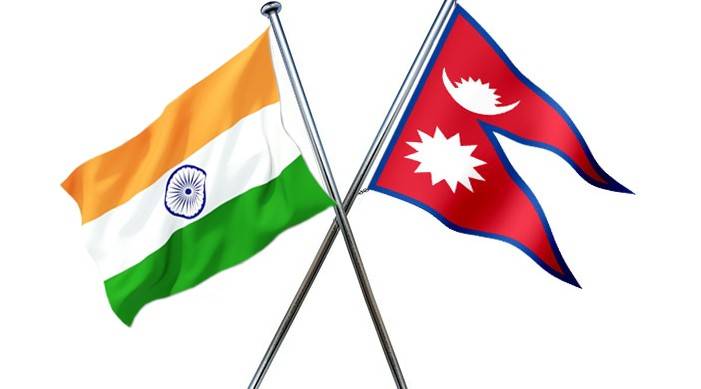
Officials view the current cycle as both a continuation and consolidation of that progress. Despite the relatively small volume of electricity involved, the symbolic and strategic value of the project is widely acknowledged. Bhandari noted that while 40 MW is minimal compared to Bangladesh’s rising energy needs and Nepal’s vast hydropower potential, the initiative sets an important precedent for deeper regional integration.
Efforts are already underway to scale up the arrangement. Nepal and Bangladesh have agreed in principle to increase the supply by an additional 20 MW, taking the total to 60 MW. The proposal is currently under consideration by India, whose transmission network remains central to enabling the trilateral energy exchange.
The development comes amid a broader push to enhance connectivity and cooperation among South Asian nations, particularly in the energy sector. For Nepal, the arrangement offers an avenue to monetise its significant hydropower resources, while Bangladesh benefits from access to relatively clean and cost-effective electricity during periods of peak demand. India, for its part, plays a pivotal role as a transit country, reinforcing its position as a regional energy hub.
Parallel diplomatic engagements have also reinforced this trajectory. Earlier discussions between Nepal’s Foreign Minister Shisir Khanal and India’s External Affairs Minister S. Jaishankar highlighted a shared commitment to expanding bilateral ties through development partnerships, connectivity and energy cooperation.
The two sides reviewed progress on a range of initiatives, including cross-border digital payments, post-earthquake reconstruction projects and collaboration in digital public infrastructure. Agreements aimed at fostering technological cooperation and people-to-people ties further underline the multi-dimensional nature of the relationship.
Energy partnership, however, remains a central pillar. The hydropower trade arrangement with Bangladesh, facilitated by India, is increasingly seen as a template for future regional projects. It reflects a shift towards integrated energy markets, where surplus generation in one country can be efficiently channelled to meet demand in another.
As South Asia grapples with rising energy requirements and the need for sustainable solutions, such cross-border initiatives could play a transformative role. The current Nepal-Bangladesh power trade, though limited in scale, signals the potential for a more interconnected and cooperative regional energy architecture in the years ahead.