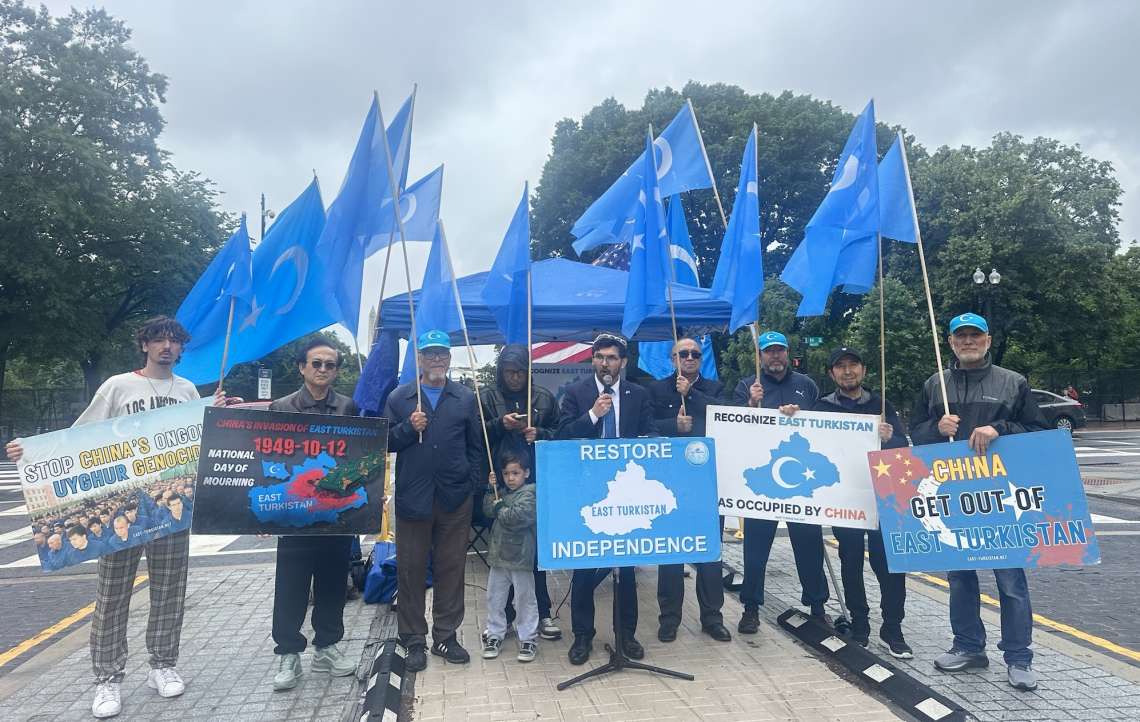
East Turkistan Government-in-Exile slams Pakistan over support for China on Xinjiang…reports Asian Lite News Desk
The East Turkistan Government-in-Exile has strongly condemned both China and Pakistan following a joint statement issued by Islamabad and Beijing on May 26, accusing Pakistan of endorsing what it described as China’s “genocide” and “colonial occupation” of East Turkistan, also known as Xinjiang.
The ETGE reacted after Pakistan backed what Beijing called its “just stance on issues concerning Xinjiang” in a joint statement released with China earlier this week.
In a sharply worded statement, the exile group accused Pakistan of becoming an “active accomplice” to China’s policies in the region and alleged that Islamabad had repeatedly supported Beijing’s position on East Turkistan through annual diplomatic statements.
The ETGE claimed Pakistan had sacrificed its independence and sovereignty in exchange for Chinese financial, military and political support, alleging that Islamabad continued to echo Beijing’s narrative regarding Xinjiang despite accusations of widespread human rights abuses in the region.
The group accused China of operating internment camps, imposing forced labour, carrying out forced sterilisation of Muslim women, separating children from families, demolishing mosques and criminalising Islamic religious practices in East Turkistan.
The exile authorities also strongly rejected references in the Pakistan China joint statement to the so called “ETIM”, or East Turkistan Islamic Movement, which Beijing has long associated with militancy and separatism.
According to the ETGE, China allegedly used the label after the September 11 attacks to portray the Uyghur independence movement as part of international terrorism. The group further alleged that Pakistan played a role in helping China build and sustain the narrative of a Uyghur extremist threat over the past three decades.
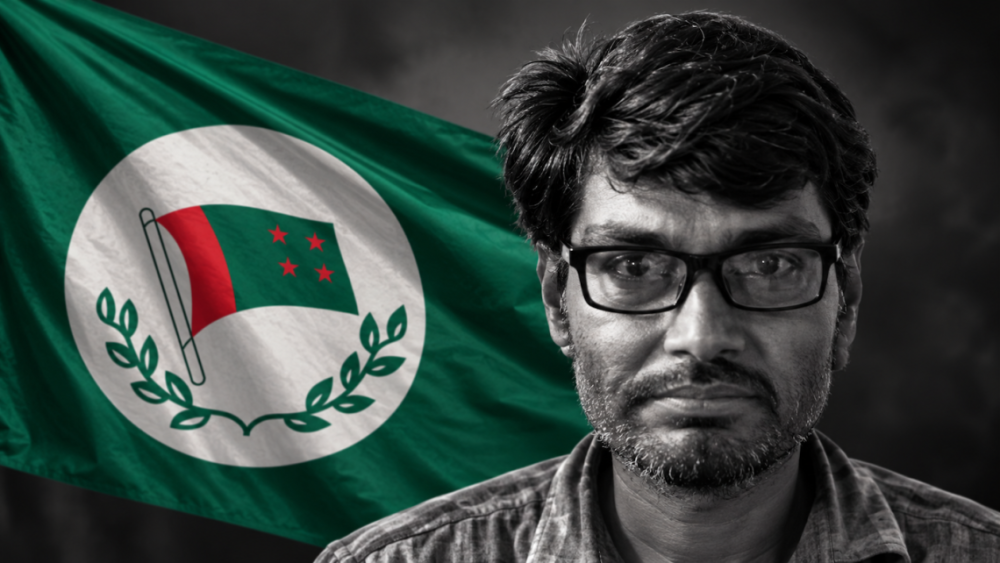
Salih Hudayar, Minister of Foreign Affairs and Security of the ETGE, criticised Pakistan for supporting China despite presenting itself internationally as a defender of Muslim causes.

Hudayar accused Islamabad of endorsing what he described as the “colonial subjugation” of Muslims in East Turkistan and said Pakistan’s backing did not legitimise China’s actions in the region.
The ETGE called on Pakistan to reverse its position, recognise East Turkistan as an occupied country and end all political, intelligence and security cooperation with China linked to the region.
The group also appealed to the Pakistani public to oppose their government’s support for Beijing’s Xinjiang policies and support what it described as East Turkistan’s liberation and independence.
China has consistently denied allegations of abuses in Xinjiang, maintaining that its policies are aimed at countering extremism, separatism and terrorism while promoting economic development and stability in the region.
Pakistan has repeatedly supported China’s stance on Xinjiang in international forums, reflecting the close strategic relationship between the two countries.