GCC and European Union ministers condemn Iranian attacks on Gulf states, warn of escalating regional tensions, and pledge joint diplomatic and security efforts to protect stability…reports Asian Lite News
The foreign ministers of the Gulf Cooperation Council and the European Union have jointly condemned recent Iranian attacks targeting Gulf states, warning that the escalation poses a direct threat to regional stability and global security.
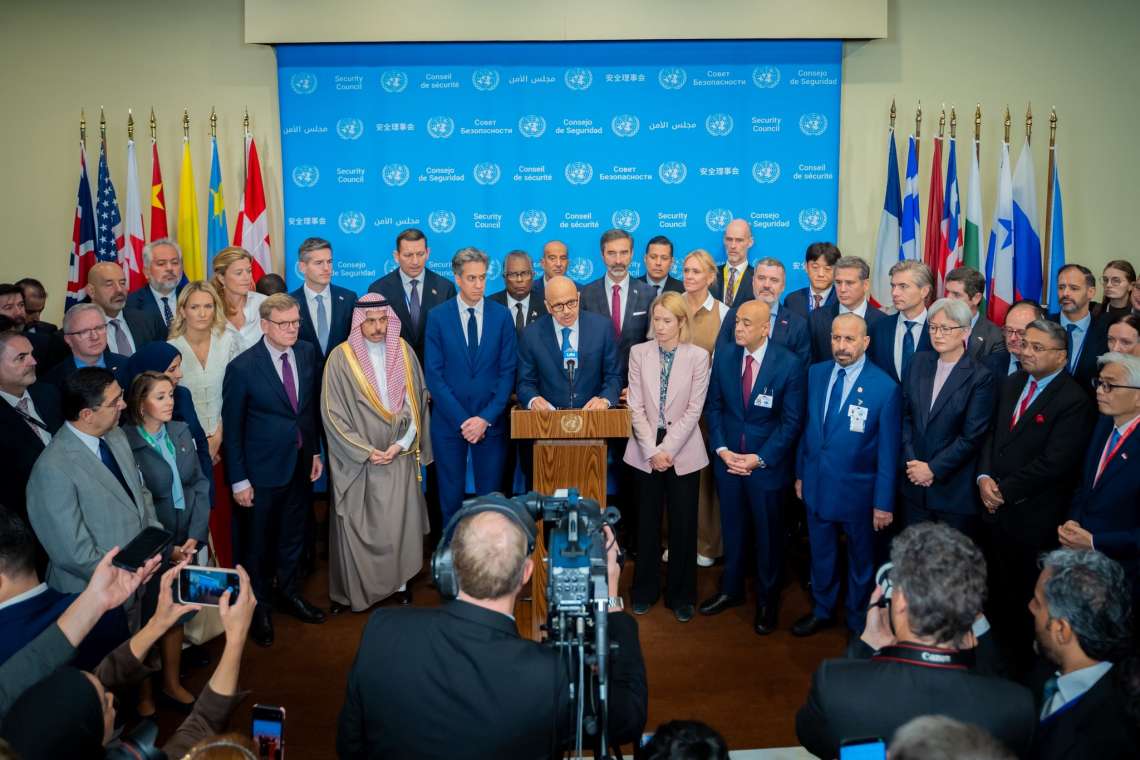
In a joint statement following an emergency meeting held via videoconference in Brussels, ministers from both blocs called on Iran to immediately halt its attacks and urged renewed diplomatic efforts to prevent further escalation across the Middle East.
The meeting brought together foreign ministers from the GCC countries and senior European Union officials to assess the security situation in the Gulf after a series of missile and drone attacks targeting infrastructure and civilian areas in several countries.
‘Unjustified attacks’
The ministers described the Iranian strikes as unjustified acts that endangered civilians and critical infrastructure across the region. The statement said the attacks had targeted oil facilities, service installations and residential areas in multiple Gulf states, causing material damage and posing a serious threat to civilian lives.
The ministers also stressed that GCC states have the inherent right to defend themselves under Article 51 of the United Nations Charter. They affirmed that Gulf countries are entitled to take all necessary measures to protect their territories, citizens and residents from armed attacks.
The GCC delegation at the meeting was led by Bahraini Foreign Minister Dr Abdullatif bin Rashid Alzayani, who currently chairs the GCC Ministerial Council. The session also included participation from Jassim Mohammed Al-Budaiwi, Secretary-General of the GCC.
Representing the European Union was Kaja Kallas, the bloc’s High Representative for Foreign Affairs and Security Policy and Vice-President of the European Commission. EU Commissioner for the Mediterranean Dubravka Šuica and foreign ministers from EU member states also took part in the discussions.
The ministers emphasised that maintaining security in the Gulf region is essential not only for regional stability but also for global economic security, particularly due to the area’s strategic energy infrastructure and shipping routes.
Diplomacy urged as nuclear concerns mount
Alongside the condemnation, the GCC and EU ministers agreed to intensify diplomatic efforts aimed at achieving a long-term solution to tensions with Iran.
The joint statement stressed the importance of preventing Iran from acquiring nuclear weapons and called for efforts to halt the production and proliferation of ballistic missiles, drones and other technologies that could threaten regional and international security.
The ministers also expressed concern about Iran’s destabilising activities in the region and beyond, while reiterating that dialogue and diplomacy remain essential tools for resolving the crisis.
Both sides reaffirmed the importance of the strategic partnership between the European Union and the GCC, which dates back to the 1988 Cooperation Agreement and was further strengthened at the Brussels Summit in October 2024.
The EU also praised the diplomatic role of the Sultanate of Oman, noting its efforts to encourage dialogue and reduce tensions between regional actors.
Protecting vital maritime routes
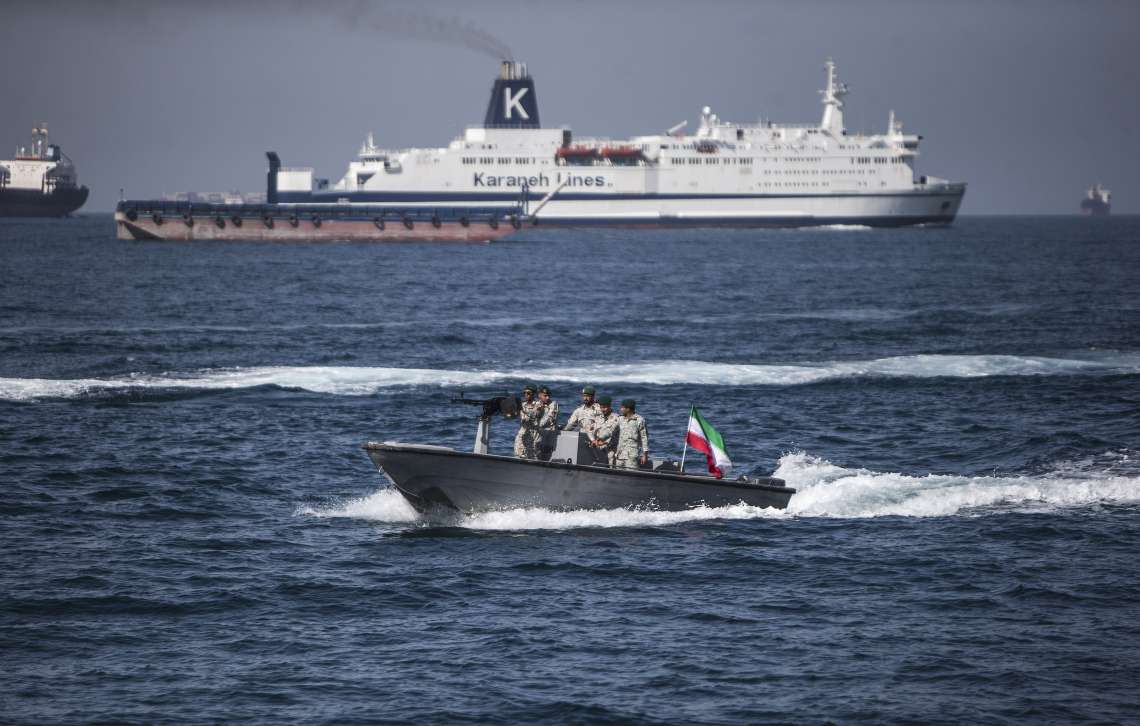
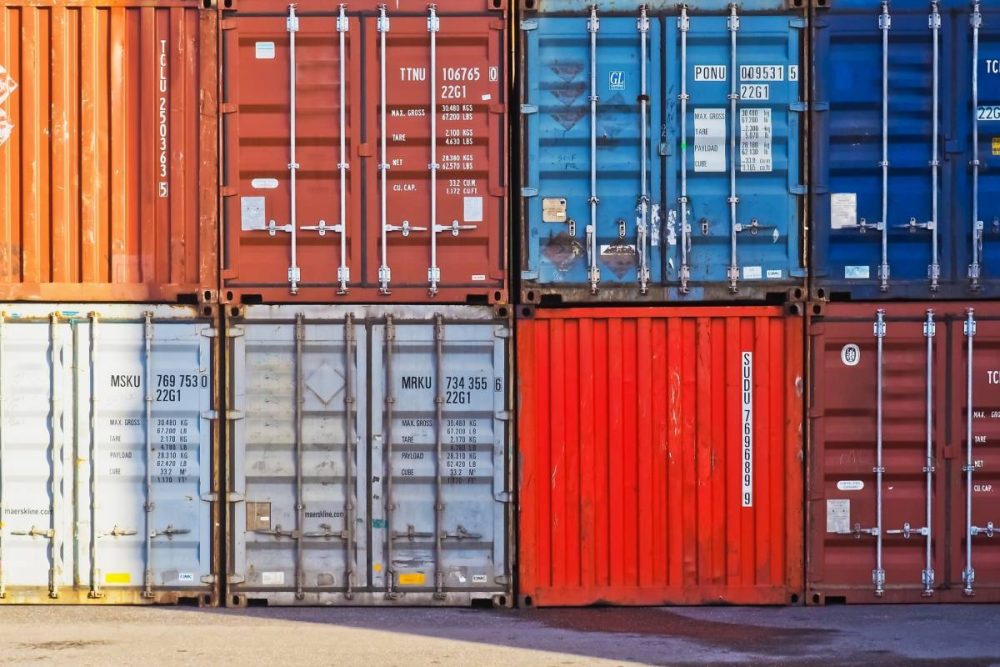
The ministers highlighted the importance of safeguarding key maritime routes in the region, including the Strait of Hormuz and the Bab al-Mandab, both vital corridors for global trade and energy supplies.
They stressed that protecting freedom of navigation and regional airspace was critical to ensuring stable supply chains and maintaining global energy markets.
In this context, the EU noted the role played by its naval defence missions, including Operation Aspides and Operation Atalanta, which aim to secure maritime routes and protect shipping from disruptions.
The ministers encouraged closer coordination between European and Gulf partners to ensure the continued safety of these waterways and maintain international energy security.
UAE, Saudi intercept missiles
Separately, the General Secretariat of the Arab Interior Ministers Council strongly condemned the Iranian attacks on several Arab countries, describing them as a clear violation of international law and the United Nations Charter.
In a statement issued from its headquarters in Tunis, the council said the attacks targeted the sovereignty and airspace of Bahrain, Saudi Arabia, the United Arab Emirates, Kuwait, Qatar and Jordan.
The council expressed solidarity with the affected states and praised the professionalism of defence and security forces in those countries for their swift response in protecting infrastructure and civilians.
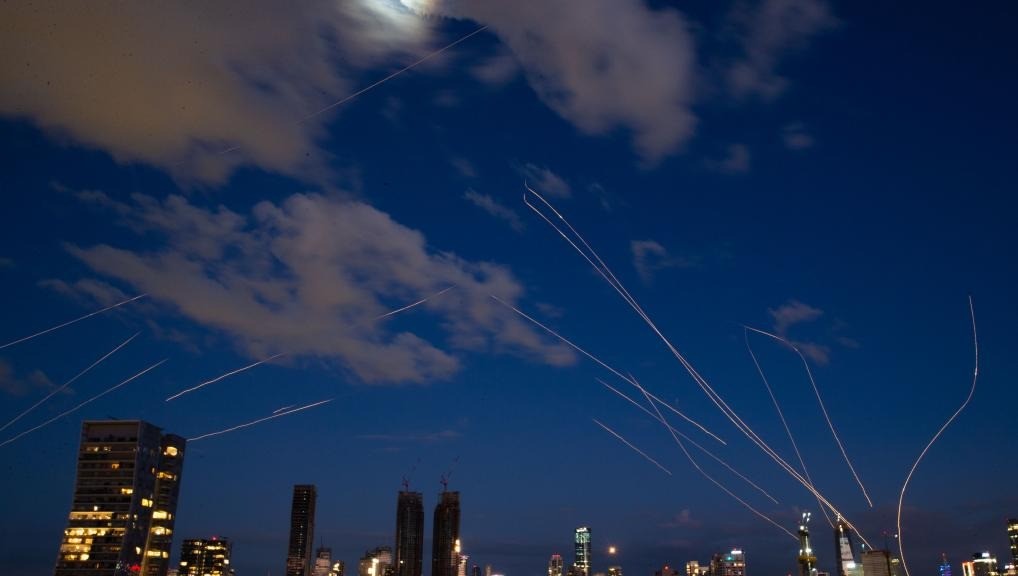
Meanwhile, the UAE Ministry of Defence reported that its air defence systems had intercepted and destroyed the majority of missiles and drones launched towards the country.
According to the ministry, seven ballistic missiles were detected, six of which were intercepted and destroyed, while one fell within the country. Air defences also detected 131 drones, successfully intercepting 125 of them.
Since the start of the attacks, the UAE has detected 196 ballistic missiles and more than 1,000 drones launched towards its territory. The majority were destroyed by air defence systems.
Authorities said the attacks resulted in three fatalities involving Pakistani, Nepali and Bangladeshi nationals, along with 94 minor injuries among residents of multiple nationalities.
Saudi Arabia also confirmed that its defence systems intercepted and destroyed three ballistic missiles targeting Prince Sultan Air Base.
Officials across the region have stressed that defence forces remain fully prepared to respond to any further threats and are continuing to take measures to safeguard national security and stability.