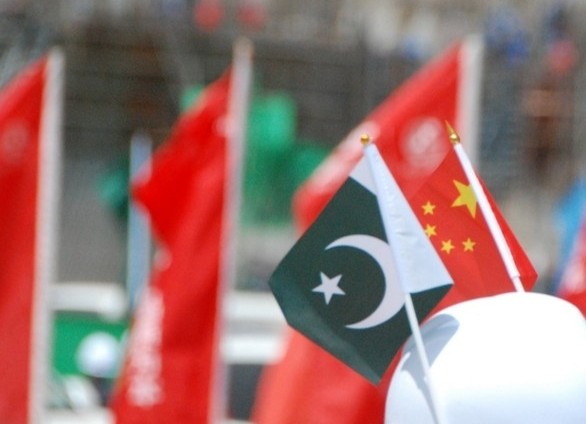
As the US image erodes in Pakistan, Chinese infrastructure investment, diplomatic rhetoric, and strategic positioning all benefit from the contrast, writes Dr Sakariya Kareem
When the latest US and Israeli military campaign started against Iran on February 28, killing Supreme Leader Ali Khamenei and launching what Washington codenamed Operation Epic Fury, the reverberations arrived in Pakistan almost instantly. Within hours, protests were forming outside American diplomatic buildings. By March 1, those protests had turned widespread and fatal. What unfolded in the days that followed was not simply an expression of grief or solidarity for Iran. It was the most concentrated outbreak of anti-American violence at US diplomatic facilities in Pakistan since 1979, and it exposed how thoroughly the US-Iran war has reshaped the security calculus for American citizens, diplomats, and projects across the country.
Protests erupted across Pakistan on March 1, primarily among Shia Muslim communities, in response to the killing of Khamenei. Demonstrators condemned the attacks and expressed solidarity with Iran, with chants of “Death to America” and “Death to Israel,” and protesters also accused the Pakistani government of siding with the US during the conflict. The violence was not confined to one city. Major protests took place in Skardu, Gilgit, Karachi, Islamabad, Lahore, and Peshawar on March 1. At least ten protesters were killed and 96 were injured outside the US Consulate in Karachi after protesters breached the premises. In Islamabad, police fired tear gas and live bullets when thousands of protesters tried to march toward the diplomatic enclave, killing two and injuring nearly ten. Interior Minister Mohsin Naqvi urged protesters to remain peaceful, telling crowds “we stand with you” and adding that every Pakistani was as grief-stricken as the people of Iran – a statement that did nothing to calm the situation and, arguably, validated the mood on the street.
Pakistani authorities deployed troops and imposed a three-day curfew in the northern cities of Gilgit and Skardu after several people died and dozens were injured in violent protests. Thousands of Shia demonstrators attacked the offices of the UN Military Observer Group in Skardu. Protesters also burned a police station and damaged a school and the offices of a local charity in Gilgit. Some protestors even tried to burn the US consulate in Lahore, Punjab. At least 24 people were killed, and dozens were injured in clashes between protesters and security forces across the country, prompting authorities to tighten security around the US embassy and consulates. The nationwide death toll from a single day of protest exceeded that of most political violence episodes in Pakistan’s recent history.
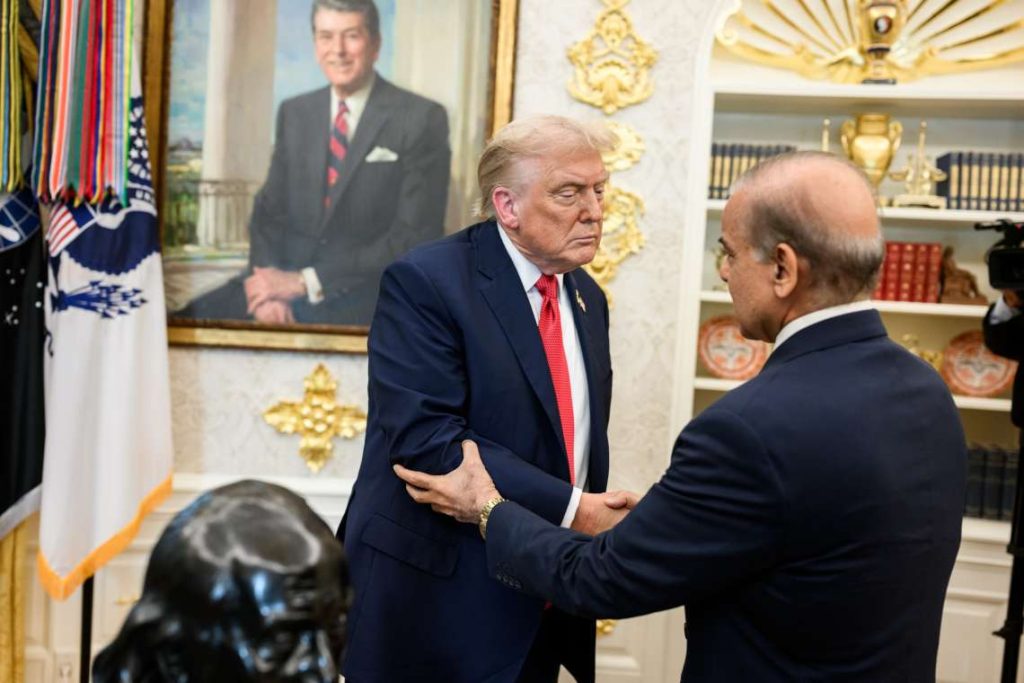
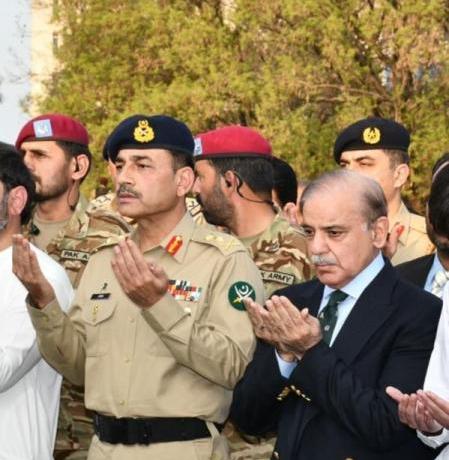
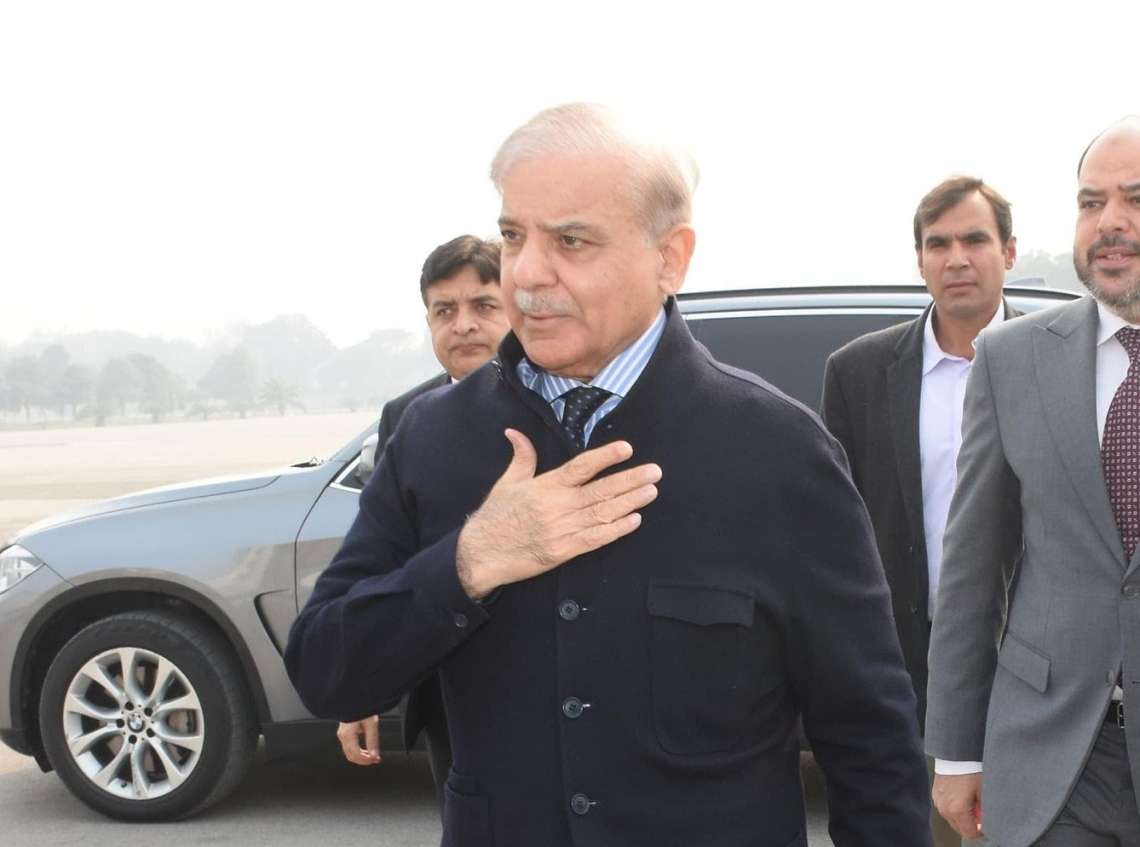
Pakistan’s government response has been carefully calibrated to condemn the US without directly inflaming its own population. According to Pakistan’s Ministry of Foreign Affairs, Deputy PM and Foreign Minister Ishaq Dar “strongly condemned the unwarranted attacks against Iran” and called for an immediate halt to escalation through diplomacy. Prime Minister Shehbaz Sharif expressed his “grief and sorrow” over Khamenei’s death, saying it was “an age-old convention that Heads of State/Government should not be targeted.” Public sentiment in Pakistan, which has historically been sceptical of American foreign policy adventurism in the region, has soured further. This development is likely to force the country’s leaders to navigate a diplomatic minefield where overt alignment with the US risks alienating a populace that now sees Washington as deceitful and unreliable.
The United States responded to the deteriorating security environment in Pakistan with a cascade of operational measures that amounted to a significant retraction of its diplomatic presence. On February 28, even before the protests erupted, the US Consulate General in Karachi restricted the movement of US government personnel, citing regional tensions. By March 2, the Peshawar consulate had temporarily suspended operations, with the US Embassy in Islamabad continuing to provide consular services.
The US State Department ordered non-emergency government employees and their family members at the consulates in Lahore and Karachi to leave Pakistan due to “safety risks,” with the US embassy stating there was no change to the status of its embassy in the capital, Islamabad. On March 4, the Travel Advisory for Pakistan was updated to reflect changes to US mission operations, maintaining a Level 3 “Reconsider Travel” designation due to armed conflict, terrorism, crime, and kidnapping, with some areas carrying increased risk. Anti-US protests continued in Pakistan days after the initial reactions. Pakistan is home to the world’s second-largest Shia community after Iran, and protest organizers made clear that demonstrations would not stop until the US halted military operations in Iran.
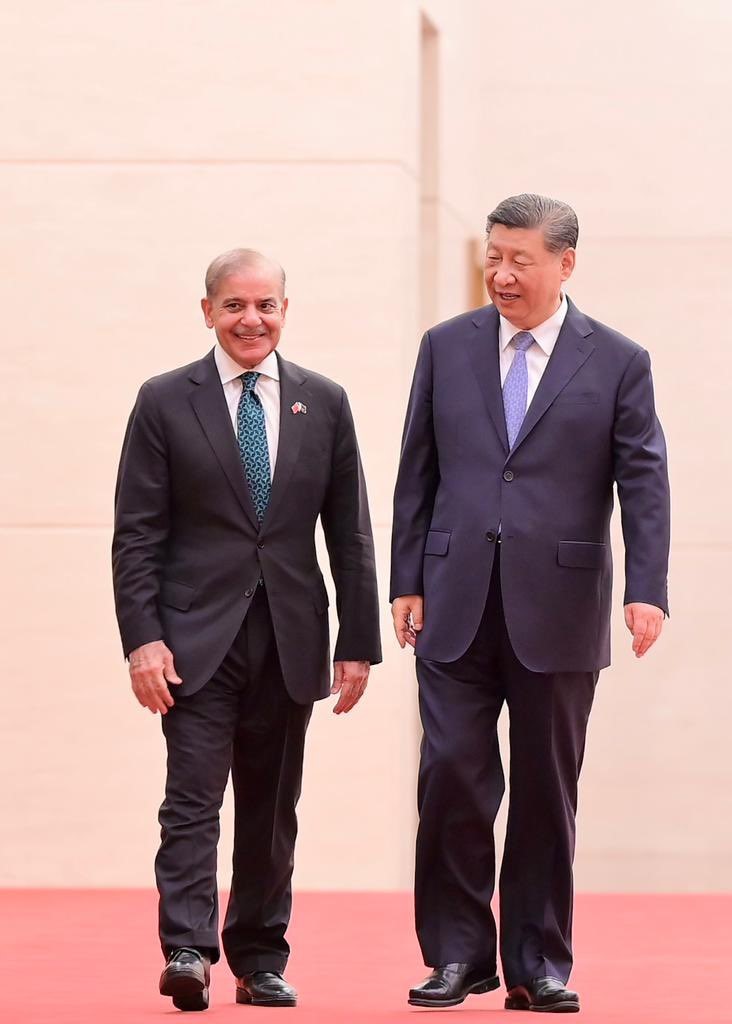
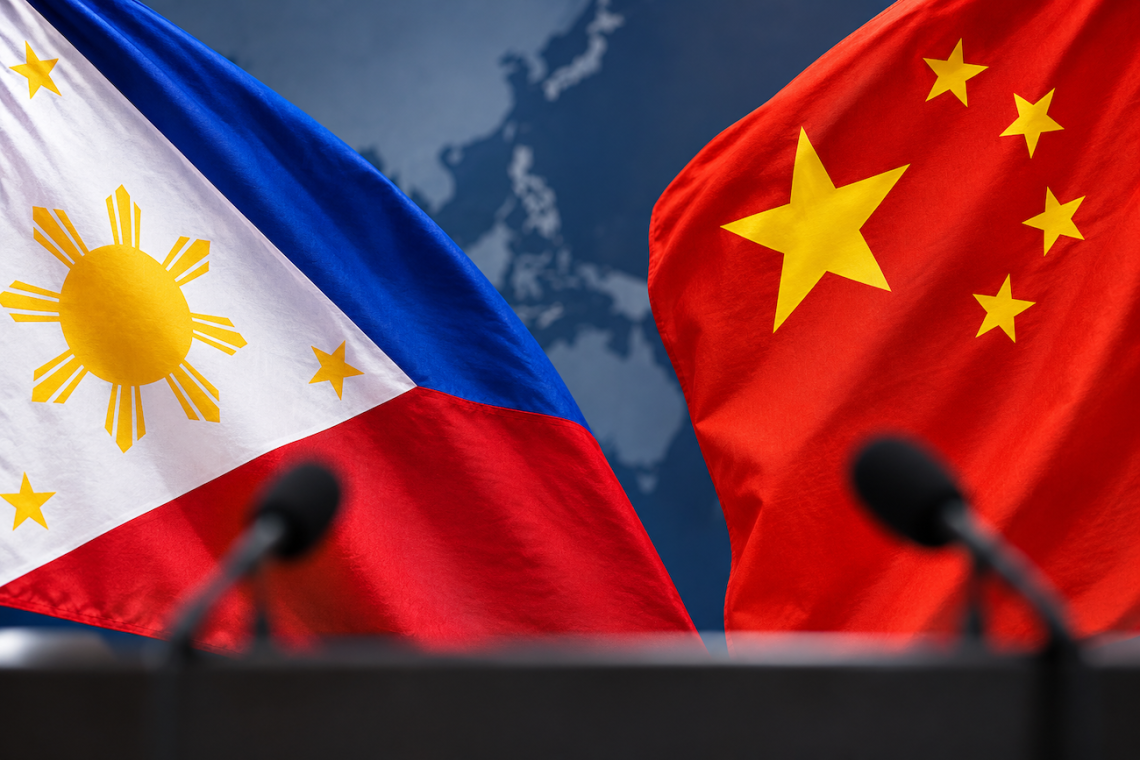
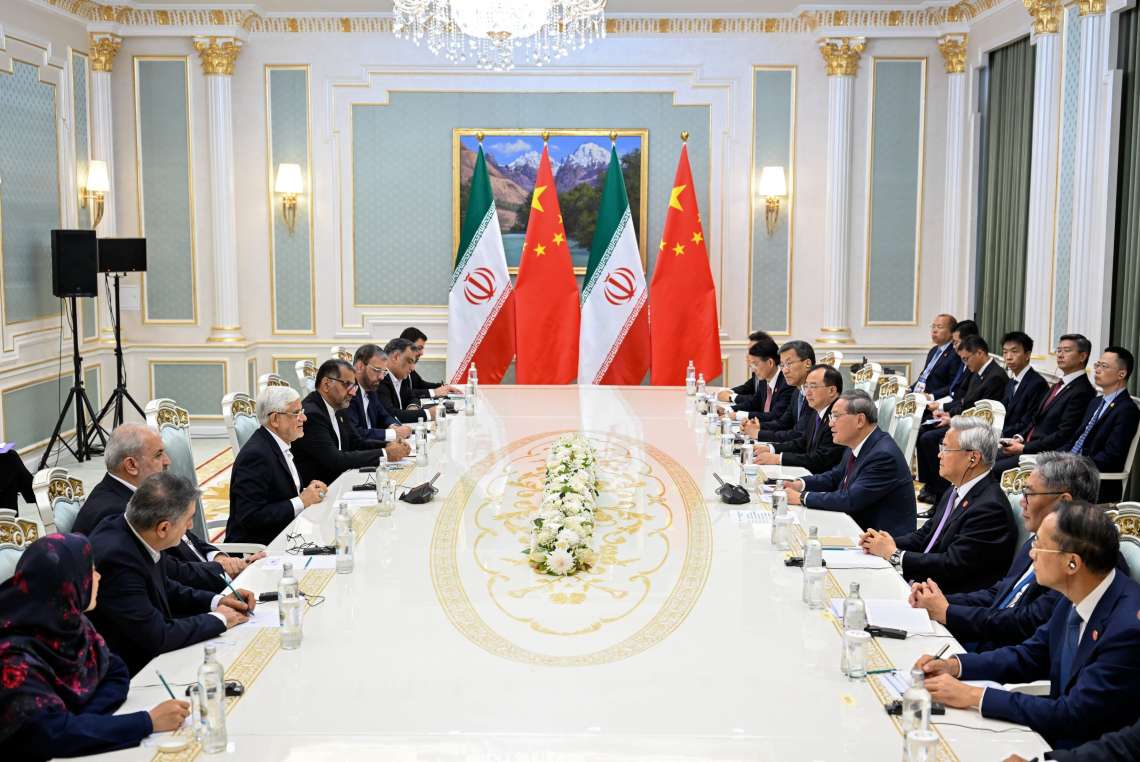
The strategic beneficiary of this environment is neither Pakistan’s government nor its public. It is China. As the United States contracts its diplomatic footprint and its institutions in Pakistan face sustained hostility, Beijing’s position strengthens without doing anything at all. As Pakistan seeks to profit from the China-US rivalry, any revival in Islamabad’s relations with Beijing would be evident in the fate of the China Pakistan Economic Corridor, long described by Washington as a “debt trap,” with renewed commitment to CPEC 2.0 signaled at all recent high-level exchanges.
As the US image erodes in Pakistan, Chinese infrastructure investment, diplomatic rhetoric, and strategic positioning all benefit from the contrast. The recent events have clearly thrust Pakistani leadership into a precarious balancing act where it has to safeguard ties with the US without appearing to wholeheartedly embrace them, to avoid igniting domestic backlash. The longer that balancing act continues, and the more it tilts toward public sentiment, the more structural room Beijing gains.
What has happened in Pakistan since the start of the US-Iran military conflict is not incidental. US consulates stormed, staff evacuated, travel advisories elevated, visa services suspended, and at least 24 people dead in a single day of protest – these are not the indicators of a manageable diplomatic friction between Washington and Islamabad. They are markers of an environment in which American presence has become a liability and a target in Pakistan. It is a new wave of anti-US sentiments in Pakistan, which will not dissipate anytime soon. Both civilian and military representatives of Pakistan need to handle the matter very carefully, without fanning local sentiments, or the situation may get worse in the coming weeks.