Pakistan faces urgent $3.5bn UAE debt deadline as reserves dwindle, raising fears over economic stability, imports and currency amid limited rollover support and IMF constraints, reports Asian Lite Newsdesk
Pakistan is confronting a fresh financial challenge as a deadline to repay $3.5 billion to the United Arab Emirates approaches this month, raising concerns over its already strained economic position.
The looming repayment comes at a time when Islamabad’s foreign exchange reserves remain critically low, intensifying fears about its ability to meet external debt obligations without further destabilising the economy. The situation has been compounded by indications that Abu Dhabi may not extend its usual rollover arrangements, a mechanism Pakistan has frequently relied upon to defer repayments and ease short-term financial pressure.
For years, such rollovers from key allies have acted as a financial buffer, allowing Pakistan to manage liquidity challenges while pursuing economic reforms. However, shifting geopolitical dynamics appear to have altered this pattern, leaving Islamabad with fewer immediate options to navigate the repayment.
The potential impact on Pakistan’s economy is significant. Economists warn that diverting scarce foreign reserves towards debt servicing could weaken the country’s capacity to fund essential imports, including energy and food, while placing further pressure on the national currency. Any sharp depletion of reserves risks triggering renewed volatility in financial markets and complicating recovery efforts.
The repayment challenge also comes as Pakistan continues to operate under a programme with the International Monetary Fund, which has been central to stabilising its economy in recent years. While IMF support has provided temporary relief, it has also required fiscal discipline and structural reforms, limiting the government’s flexibility in responding to new financial shocks.
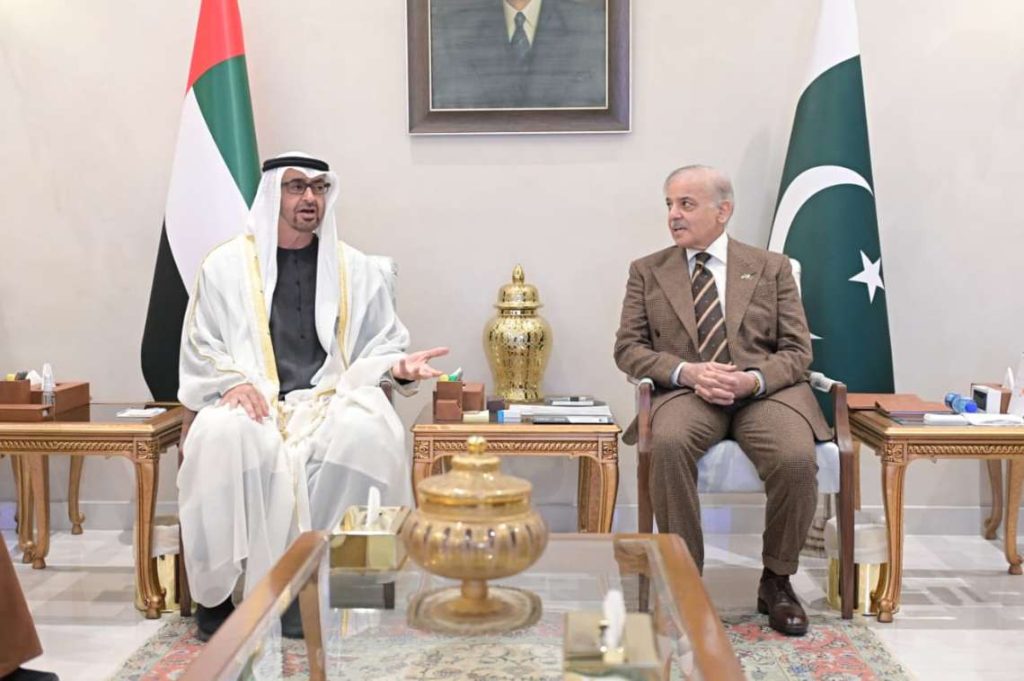
In response to the tightening situation, Pakistani officials are reportedly exploring alternative options, including the possibility of converting part of the debt into long-term investment. Such a move could reduce immediate repayment pressures while strengthening economic ties with the UAE. However, these discussions remain uncertain and may not yield results quickly enough to address the current deadline.
Geopolitical considerations are also adding complexity to the crisis. Pakistan’s delicate balancing act in the Middle East, particularly in the context of tensions involving Iran and regional allies, has raised questions about its diplomatic positioning. Analysts suggest that evolving alignments may be influencing the willingness of traditional partners to extend financial support.
The roots of Pakistan’s economic vulnerability run deeper. Persistent structural challenges — including low export competitiveness, high fiscal deficits and limited revenue generation — have left the country heavily dependent on external financing. This reliance has made it particularly susceptible to global economic shifts and political developments beyond its control.