A string of strategic miscalculations has left Islamabad sidelined in West Asia and its army chief under growing pressure at home…reports Asian Lite News
Pakistan’s grand ambition to position itself as the anchor of a new Islamic military alliance has unravelled spectacularly, leaving the country diplomatically isolated in West Asia and its most powerful military figure facing questions about his judgment and leadership.
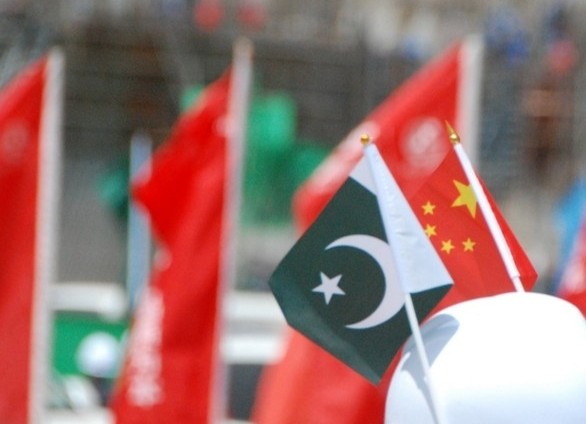
For a period, the plan appeared to be gaining traction. Pakistan had sought to project itself as a net security provider in West Asia, leveraging its status as the world’s only Muslim-majority nuclear power to argue it was uniquely placed to lead a pan-Islamic defence coalition — an arrangement that Pakistani strategists privately described as an Islamic NATO.
The groundwork seemed promising. Islamabad secured a defence pact with Saudi Arabia, after which Turkey sought a similar agreement. Pakistan had also hoped to bring Egypt and Somalia into the fold, building the nucleus of a coalition that would reshape the security architecture of the Muslim world.
Then the US-Israel-Iran conflict broke out — and Pakistan’s carefully constructed strategy fell apart almost immediately.
As Iran began striking American targets across Gulf nations, Saudi Arabia looked to Islamabad to honour its defence commitments. Pakistan did not deliver. Officials say the country faces an acute internal contradiction that made any decisive action impossible. Pakistan cannot afford to antagonise its Shia population — estimated at around 15 percent of the country — who are deeply embedded throughout the ranks of the Pakistani military. Equally, it cannot align itself with the United States and Israel without inflaming the Sunni majority, who view the conflict in explicitly religious terms as a war between the Muslim world and a Christian-Jewish alliance.
Caught between the two, Pakistan chose neither — and in doing so lost both.

“Pakistan ultimately turned out to be an opportunist nation,” one official said. “Globally, Pakistan is very low on trust and cannot be relied upon when a problem hits a nation.”
The Islamic NATO dream, officials say, has collapsed entirely. With it, Pakistan’s broader strategic ambitions in West Asia have also fallen away.
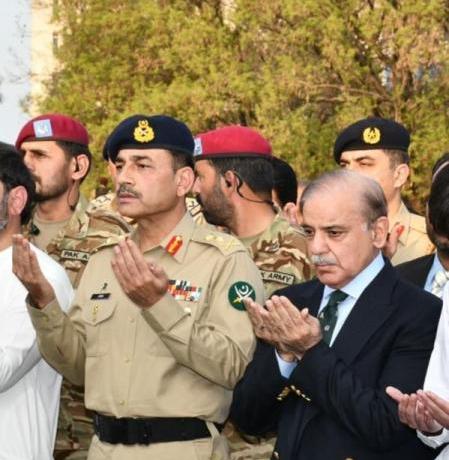
Army Chief Field Marshal Asim Munir, who had staked much of his personal prestige on Pakistan’s expanded regional role, moved quickly to salvage something from the wreckage — offering to mediate between the United States and Iran. Tehran rejected the offer outright. Trust between Iran and Pakistan has been severely strained since January 2025, when Iranian forces launched missile and drone strikes on bases belonging to the militant group Jaish-al-Adal in Pakistan’s Balochistan province.
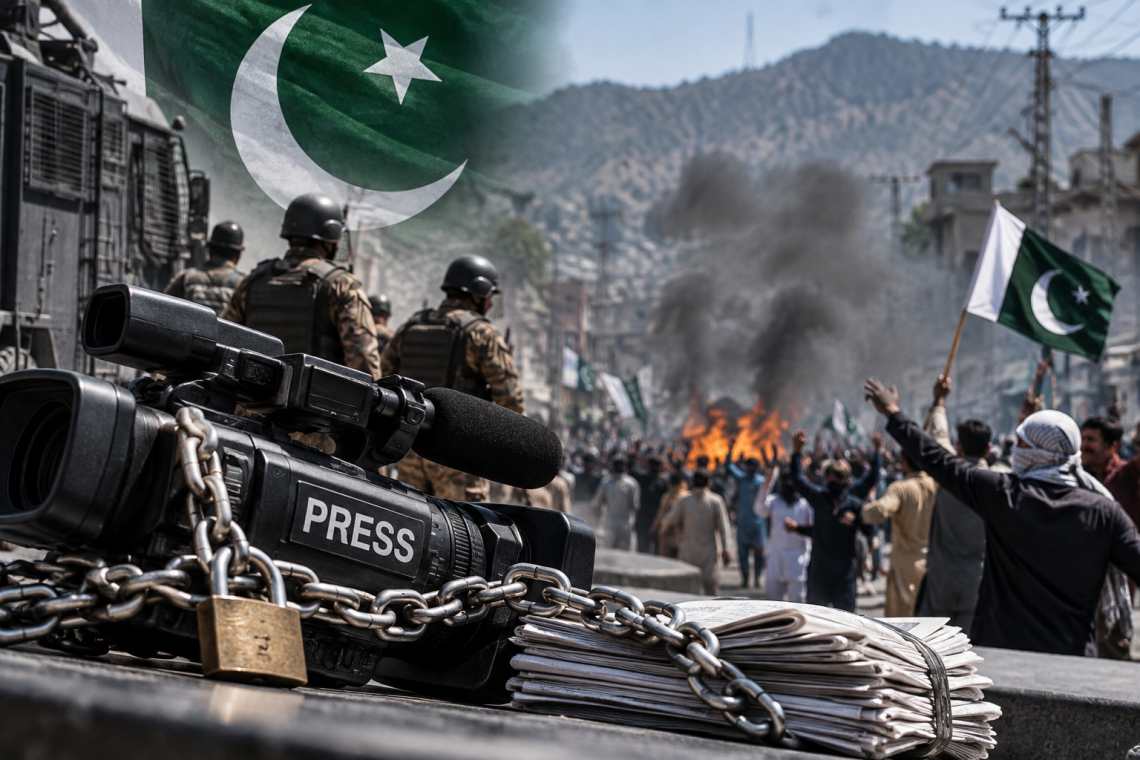
With his West Asia strategy in ruins, observers say Munir has pivoted — turning his attention toward Afghanistan and intensifying military operations in Balochistan and Khyber Pakhtunkhwa, where Pakistani security forces are engaged in grinding conflicts against the Balochistan Liberation Army and Tehreek-e-Taliban Pakistan.

Pakistan’s military campaign in Afghanistan has drawn sharp international criticism. In one strike, more than 400 children were reported killed after a school in Kabul was bombed — an action that has deepened Pakistan’s isolation and fuelled further condemnation.
Munir’s position at home is also under strain. The Field Marshal — who secured his elevated rank following the losses suffered by Pakistani-backed groups during Operation Sindoor — has increasingly been accused of bypassing the political class and making unilateral decisions. Officials say the policy direction has shifted from protecting Pakistan’s national interests to protecting Munir’s personal legacy.
“It is not about saving Pakistan’s face anymore,” one official said. “It is about trying to make Asim Munir look good.”
Pakistan watchers warn the combination of external failure and internal pressure makes Munir a dangerous actor. Indian security agencies, officials say, have been advised to remain on high alert, with analysts warning that a leader facing multiple policy failures — both at home and abroad — may feel compelled to engineer a crisis elsewhere to reassert his authority.
“Field Marshal Asim Munir is a desperate man,” one official said. “Owing to multiple failed policies, he is likely to indulge in some major misadventure.”