India and Africa set out priority areas for energy cooperation at New Delhi summit, focusing on renewables, grid modernisation, storage and capacity building…reports Asian Lite News
India and African partners have identified renewable energy, grid modernisation, energy storage and flexibility, and institutional capacity as key pillars of future cooperation, Union Power Minister Manohar Lal said at a strategic partnership meeting in New Delhi.
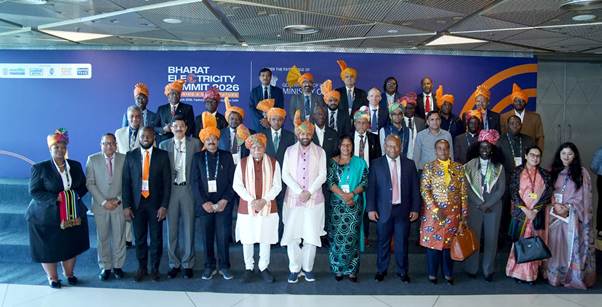
The meeting, held as part of the Bharat Electricity Summit 2026, brought together ministers, officials, and industry leaders from India and several African countries, alongside representatives from financial institutions, development partners, and the private sector. Minister of State attended it for Power and New and Renewable Energy Shripad Naik, Haryana Chief Minister Nayab Singh Saini, Malawi’s Minister of Energy and Mining Dr Jean Mathanga, and Africa50 Chief Executive Alain Ebobissé, among others.
Discussions centred on building a structured, action-oriented partnership to deliver tangible outcomes in energy access and infrastructure. Participants highlighted the need to expand renewable energy capacity, develop interconnected grid systems, advance storage and flexibility solutions, and strengthen institutional capabilities.
Addressing the meeting, Manohar Lal stated that power is crucial for driving economic growth, ensuring dignity, and unlocking opportunities, and highlighted the vision of One Sun, One World, One Grid as a transformative pathway for global energy connectivity. He said India and Africa, which together account for nearly one-third of the global population, share aspirations for inclusive and sustainable development.
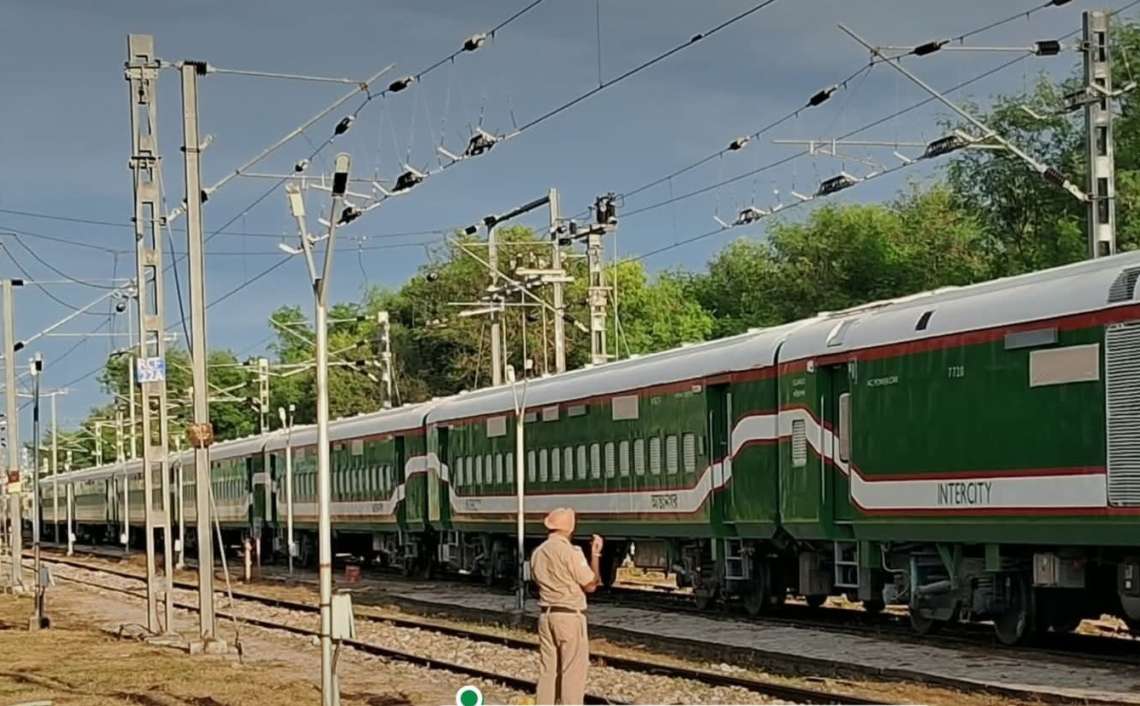
He pointed to India’s transition from energy deficit to surplus and its rapid expansion in renewable energy as offering scalable models. He also referred to ongoing collaboration between Africa50 and Power Grid Corporation of India Limited, including a transmission project in Kenya, as an example of combining financing, technical expertise and partnerships to deliver infrastructure.
Manohar Lal outlined cooperation across renewable expansion, grid modernisation, energy storage and institutional strengthening, and referred to initiatives such as the International Solar Alliance as platforms for deeper engagement. He said India–Africa energy cooperation is not transactional but transformational, rooted in co-creation, and reiterated India’s commitment as a trusted partner.
Shripad Naik said that the India-Africa partnership must move from intent to action, Energy access is reframed as a driver of economic transformation, not just infrastructure delivery. He emphasised the shared goal of ensuring reliable, affordable and sustainable energy as a foundation for inclusive growth.
Nayab Singh Saini said that partnership, not dominance; cooperation, not competition should be the shared values for India and Africa. He added that Haryana’s engagement with African partners spans energy management, digital governance and agricultural cooperation.
Alain Ebobissé said that it is not aid that we are seeking; we are seeking investment for impact and return, highlighting a focus on bankable projects, transmission expansion, and private capital mobilisation, supported by integrated planning frameworks.
Dr Jean Mathanga called for strengthening renewable energy initiatives, including low-cost solar solutions, wind projects and broader energy transition efforts. She emphasised electrification, transmission infrastructure and cooperation on smart metering, grids and microgrids as priorities aligned with Africa’s goals for an inclusive power system.
The partnership framework emphasises investment, technology transfer, and scalable solutions such as solar rooftops, hydro-solar integration, mini grids, and decentralised systems. It also underlines the role of policy frameworks, public-private partnerships and human resource development in accelerating progress.
Officials said the India–Africa strategic partnership seeks to bridge energy access gaps, enhance regional integration, and support long-term socio-economic development through a collaborative, mutually beneficial approach.