Oil crisis exposes contrasting India and China approaches, as New Delhi sustains neighbours while Beijing faces criticism for leveraging energy supplies for geopolitical influence, reports Asian Lite Newsdesk
The energy crisis triggered by the closure of the Strait of Hormuz during the Middle East conflict has highlighted the differing approaches of India and China in supporting their neighbours.
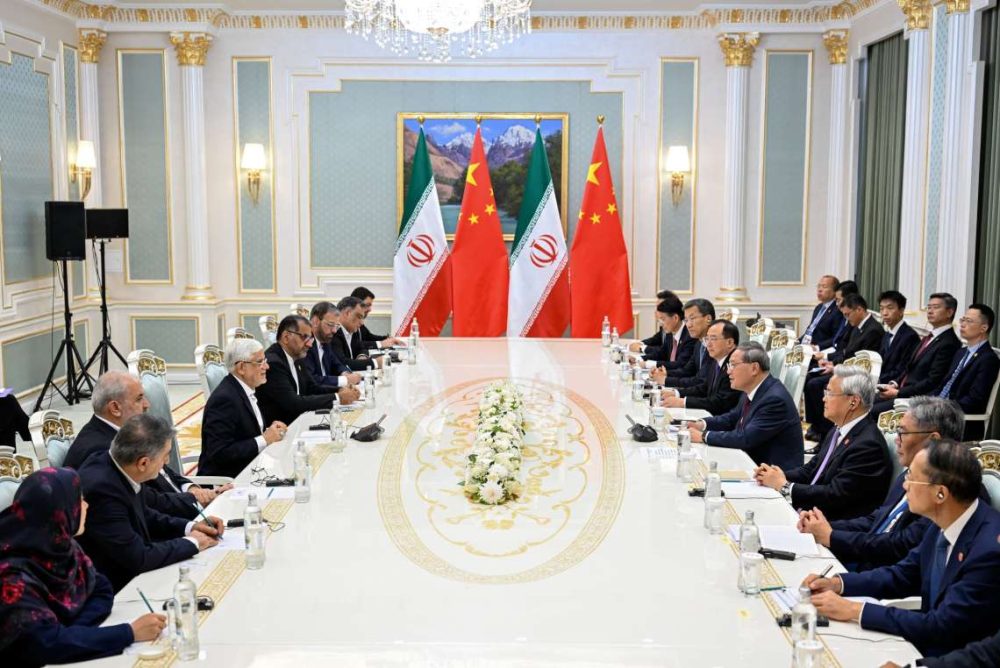
China’s energy offers, such as those made to Taiwan, come with political conditions. In contrast, India supplies fuel to countries like Nepal and Sri Lanka through established intergovernmental frameworks, without imposing conditions on sovereignty or political alignment, according to an article in Daily Mirror Online.
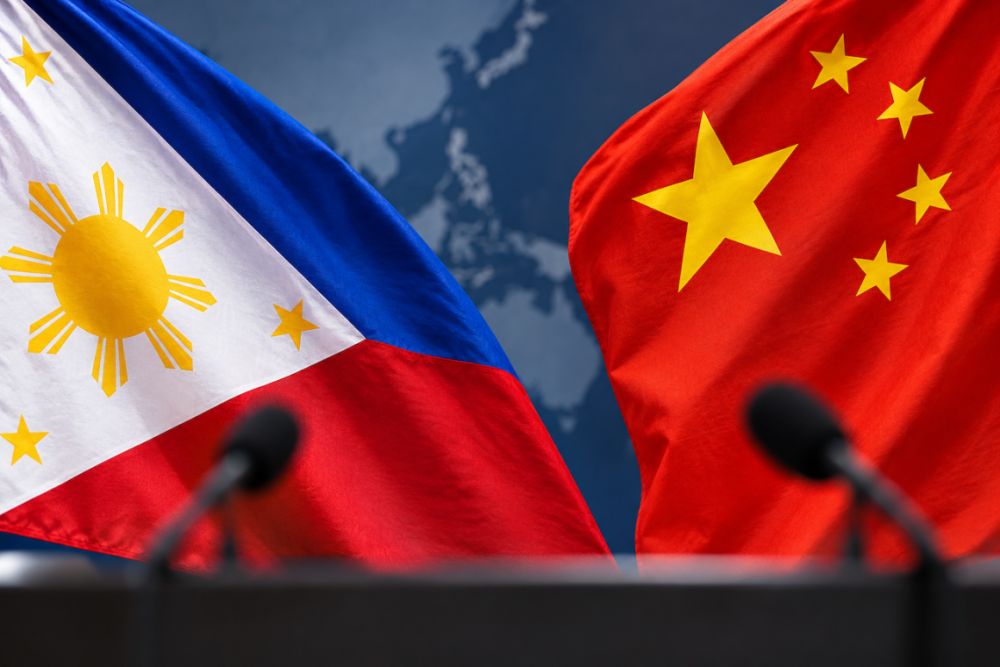
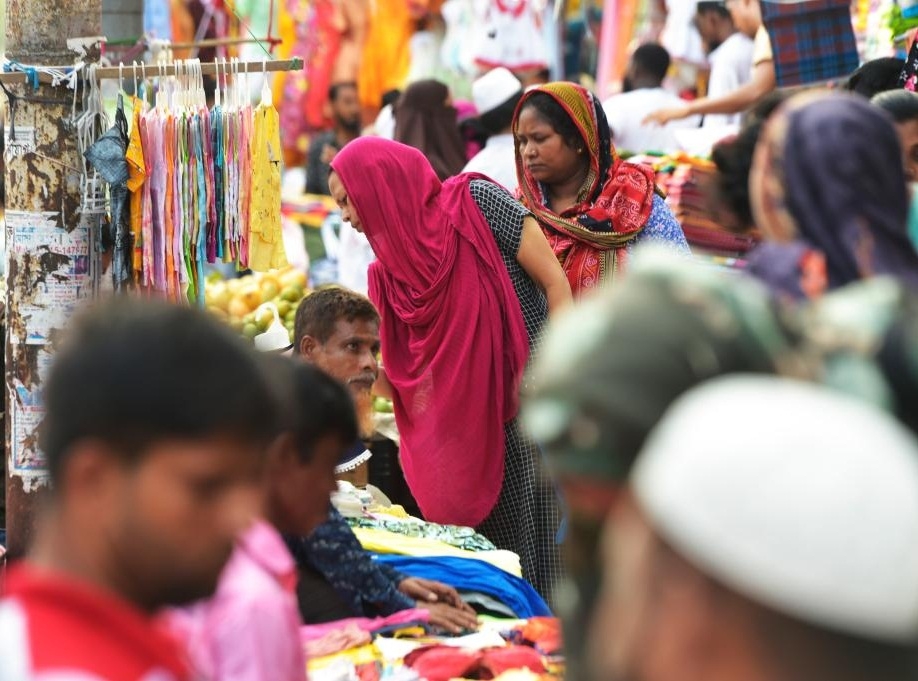
The article notes that China’s response to the crisis was swift and self-serving. China suspended new fuel export contracts and attempted to cancel existing shipments as global fuel markets tightened due to the conflict. Consequently, countries such as Australia, Bangladesh, and the Philippines, which relied on Chinese fuel imports, were left in a difficult position.
With significant crude stockpiles and a robust renewable energy sector, China is better equipped to handle the energy crisis than its Asian neighbours. However, Beijing determined that allowing scarcity to spread across the region served its interests more effectively than providing relief, the article states.
China also used the situation to exert pressure on its neighbours and sought to negotiate tough political terms. It proposed to supply oil to Taiwan if the island agreed to peaceful reunification with mainland China, but Taiwan rejected the offer outright.
In contrast, India’s actions during the crisis were notably different. India supplied approximately 38,000 metric tonnes of fuel to Sri Lanka, addressing a substantial portion of its immediate needs. Fuel deliveries to Nepal and Bhutan, both entirely dependent on India, continued without interruption. Additional diesel shipments were also provided to Bangladesh, with more supplies guaranteed via the cross-border pipeline.
“These were not isolated gestures made for political optics. They reflected a consistent pattern of supply rooted in India’s broader ‘Neighbourhood First’ doctrine, which was now being tested under genuine crisis conditions,” the article remarked.