India has ranked above several major powers in a new global index measuring responsible national conduct, placing it firmly in the top 20 worldwide. The findings underline New Delhi’s growing international profile even as challenges remain at home and abroad…reports Asian Lite News
India has been ranked 16th globally in a new Responsible Nations Index, placing it ahead of the United States and China and reinforcing its position as an increasingly influential global actor. The index, released on Monday, measures how countries behave beyond their borders, assessing whether national power is exercised in ways that support international norms, sustainability and cooperation.
Compiled by the Netherlands-based think tank the International Centre for Defence and Security, the index covers 154 countries and assesses their performance across three pillars: environmental stewardship, social and economic responsibility, and responsible conduct in security, diplomacy and trade. India’s overall position reflects what the authors describe as a mixed but improving international footprint.
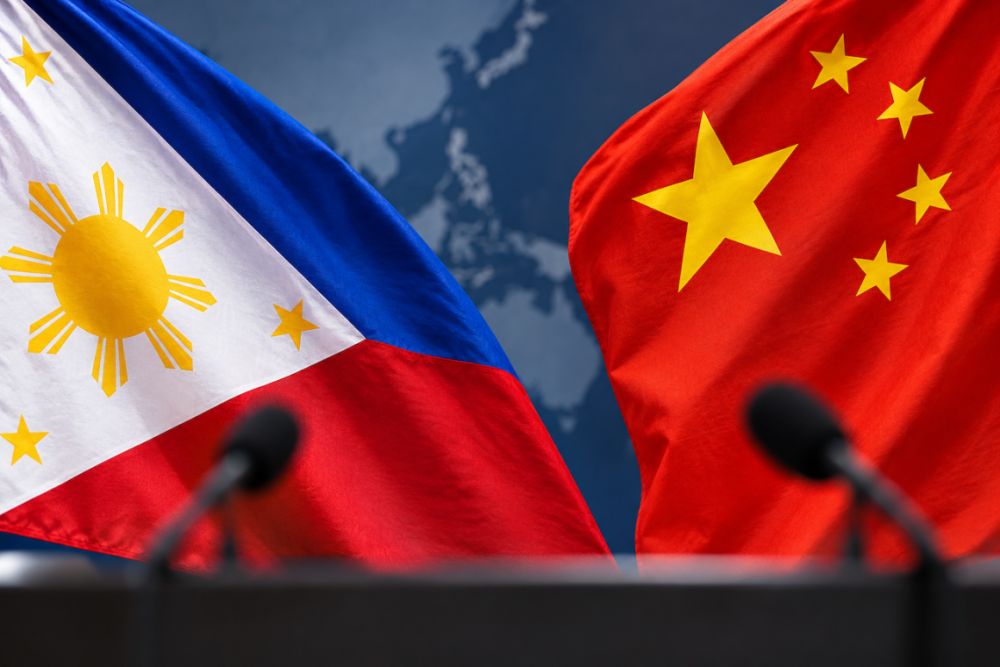
The United States ranked 23rd in the index, while China placed 49th, meaning India outperformed both superpowers on several measures of cross-border responsibility. The top of the table was dominated by smaller European countries, with Switzerland ranked first, followed by Denmark and Cyprus. Sweden, the Netherlands and Czechia also featured prominently in the top ten.

According to the index, India’s relative strength lay in areas linked to international engagement and development cooperation. Analysts noted that India’s growing role in multilateral forums, its contributions to global development debates and its expanding diplomatic reach helped lift its standing compared with other large emerging economies.
The index’s authors said their approach was designed to move beyond traditional measures of national power. “This is not a scoreboard that measures competition for resources or morality, reflecting whether countries are doing right or their citizens,” one of the authors said. “This index measures how countries affect the world beyond their borders.”
India’s performance was assessed across seven policy areas, including climate and environment, health, humanitarian aid, peace and security, trade, migration and technology. While India did not top any single category, its overall balance across several areas was enough to secure a place in the top tier of emerging economies.
The report pointed to India’s increasing engagement with global climate negotiations and its participation in international renewable energy initiatives as contributing factors. India has also sought to position itself as a voice for the Global South on issues ranging from debt relief to development finance, a role that has become more visible in recent years through its presidency of the G20 and active participation in United Nations forums.
However, the index also highlighted areas where India faces constraints. Environmental pressures linked to rapid economic growth, domestic emissions and air quality continue to weigh on its overall score. Social indicators, including inequality and access to services, were also identified as areas where domestic challenges have international implications.

Experts quoted in the report stressed that the index was not intended to reward wealth or military strength. Instead, it aims to capture how countries contribute to or detract from shared global goods. One contributor noted that responsible behaviour “is increasingly relevant in a world facing climate change, pandemics and geopolitical fragmentation”.
India’s ranking is likely to be welcomed by policymakers in New Delhi as validation of the country’s foreign policy approach, which has sought to balance strategic autonomy with deeper engagement in global governance. In recent years, India has expanded its diplomatic footprint, increased development assistance to neighbouring countries and emerging partners, and taken a more assertive stance on global issues such as digital public infrastructure and climate finance.
At the same time, the index’s findings underscore the gap between India and the highest-ranked countries, most of which are smaller, high-income European states with strong records on environmental protection and social welfare. Bridging that gap would require sustained progress on emissions reduction, environmental regulation and social outcomes, areas where India faces structural and demographic pressures.
The authors cautioned against reading the rankings as a simple league table of virtue. They emphasised that countries operate under different constraints and starting points, and that improvements over time matter as much as absolute positions. For India, moving into the top 20 was seen as a sign of upward momentum rather than an endpoint.
As geopolitical tensions rise and global institutions come under strain, indices such as this are increasingly used to frame debates about responsible leadership and international cooperation. India’s position ahead of the United States and China will feed into that debate, highlighting how emerging powers are being judged not only on economic growth or military capability, but on how they shape the wider world.