India extends solidarity as a devastating 7.8 magnitude earthquake strikes Mindanao, killing dozens, displacing thousands, and triggering urgent rescue and relief operations across the Philippines, reports India Daily News Desk
India has expressed solidarity with the Philippines after a powerful earthquake struck the southern island of Mindanao, leaving dozens dead, hundreds injured and tens of thousands displaced in one of the region’s most destructive seismic events in decades.
Prime Minister Narendra Modi on Monday conveyed condolences to the victims and their families, stressing India’s support for the Southeast Asian nation as it grapples with the aftermath of the disaster. In a message posted on social media, he said he was saddened by the loss of life and widespread destruction caused by the earthquake.
“My heartfelt condolences to the bereaved families and prayers for the speedy recovery of those injured. India stands in solidarity with the people and the Government of the Philippines,” the Prime Minister said, signalling New Delhi’s readiness to stand by Manila during the crisis.
The earthquake, measured at 7.8 magnitude, struck off the coast of Mindanao early on Monday morning at around 7:37 am local time, according to data cited from the United States Geological Survey. It is being described as the strongest quake to hit the Philippines in approximately half a century, underscoring both its intensity and the scale of the destruction it has triggered.
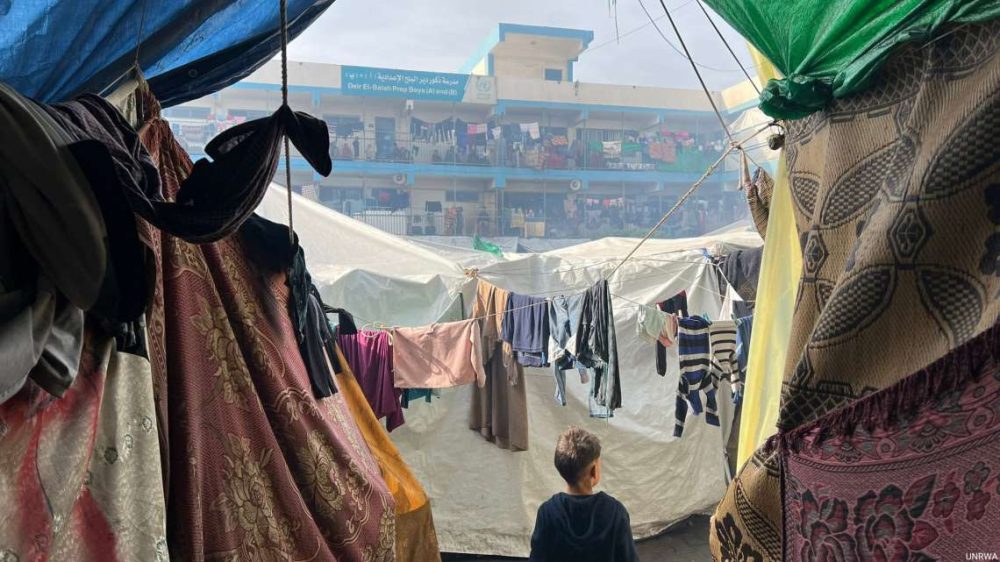
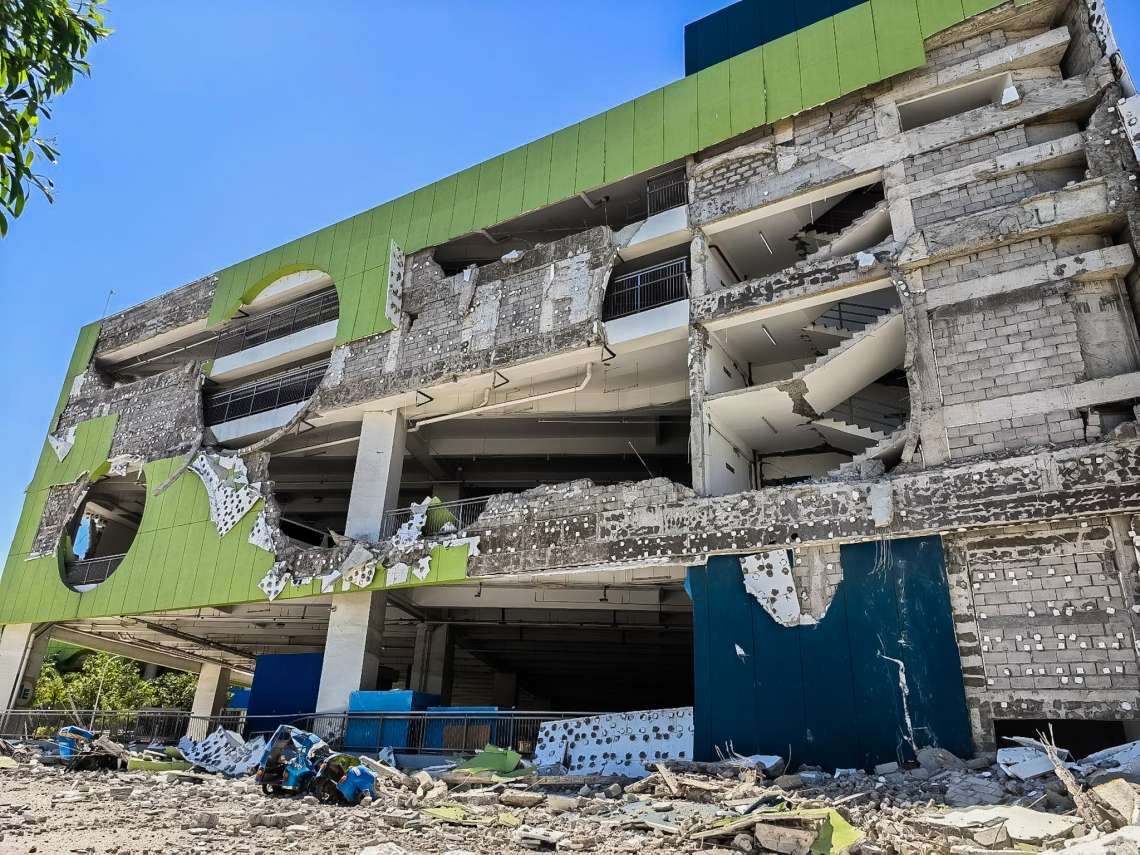
Initial reports from civil defence authorities indicate that at least 32 people have lost their lives, while more than a hundred have been injured. The toll is expected to rise as rescue teams continue to reach remote and heavily affected areas. Tens of thousands of residents have been displaced, many forced to seek refuge in temporary shelters as aftershocks and structural damage render homes unsafe.
The worst-affected areas include Sarangani and South Cotabato provinces, where a significant portion of the fatalities were recorded. In addition, a landslide triggered by the tremor in the municipality of Glan, Sarangani, accounted for several more deaths, highlighting the secondary hazards often associated with major earthquakes in mountainous terrain.
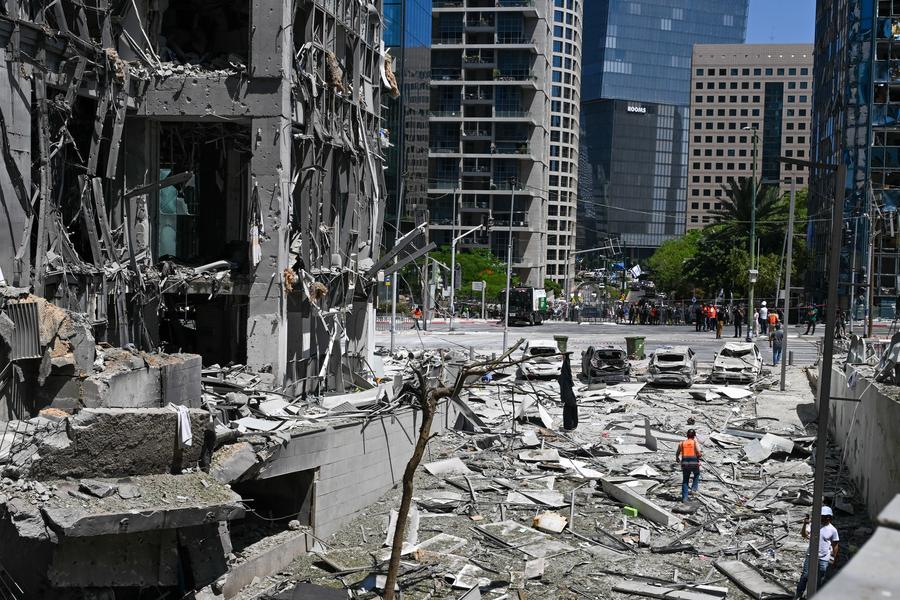
Rodrigo O Sosmen, a senior official with the national Office of Civil Defense based in General Santos, said authorities were still working to assess the full extent of the damage. “We don’t have a complete picture of the damage, but there are plenty of structures that are cracked,” he told reporters, pointing to the widespread impact on buildings and infrastructure.
Rescue and relief operations are ongoing, with emergency teams searching for survivors amid collapsed structures and debris. Officials have reported that nearly 70,000 people have been displaced so far, while several individuals remain missing. Medical teams are attending to the injured, many of whom are being treated for trauma and injuries sustained during building collapses and falling debris.
The Philippine government has mobilised its disaster response apparatus to address the crisis. The Department of Social Welfare and Development (DSWD) has initiated coordination with local government units to ensure the swift delivery of aid to affected communities. Secretary Rex Gatchalian has directed the deployment of resources, including food supplies, personnel and logistical support, to the worst-hit areas.
Authorities have confirmed that over 1.1 million family food packs are already available in Mindanao for immediate distribution, while a larger national stockpile of 4.7 million packs remains ready for rapid deployment in response to emergencies. Quick Response Teams have been placed on standby, maintaining constant coordination with local authorities to monitor developments and provide additional support where required.
The DSWD has also begun deploying social workers to evacuation centres, aiming to assist displaced families and ensure access to basic services. Mobile command centres, kitchens and other emergency equipment are being dispatched to strengthen relief efforts, particularly in areas where infrastructure damage has disrupted normal supply chains.
The scale of the earthquake has once again drawn attention to the Philippines’ vulnerability to natural disasters, given its location along the Pacific Ring of Fire. Frequent seismic activity, coupled with densely populated regions, often results in significant humanitarian challenges when major quakes strike.