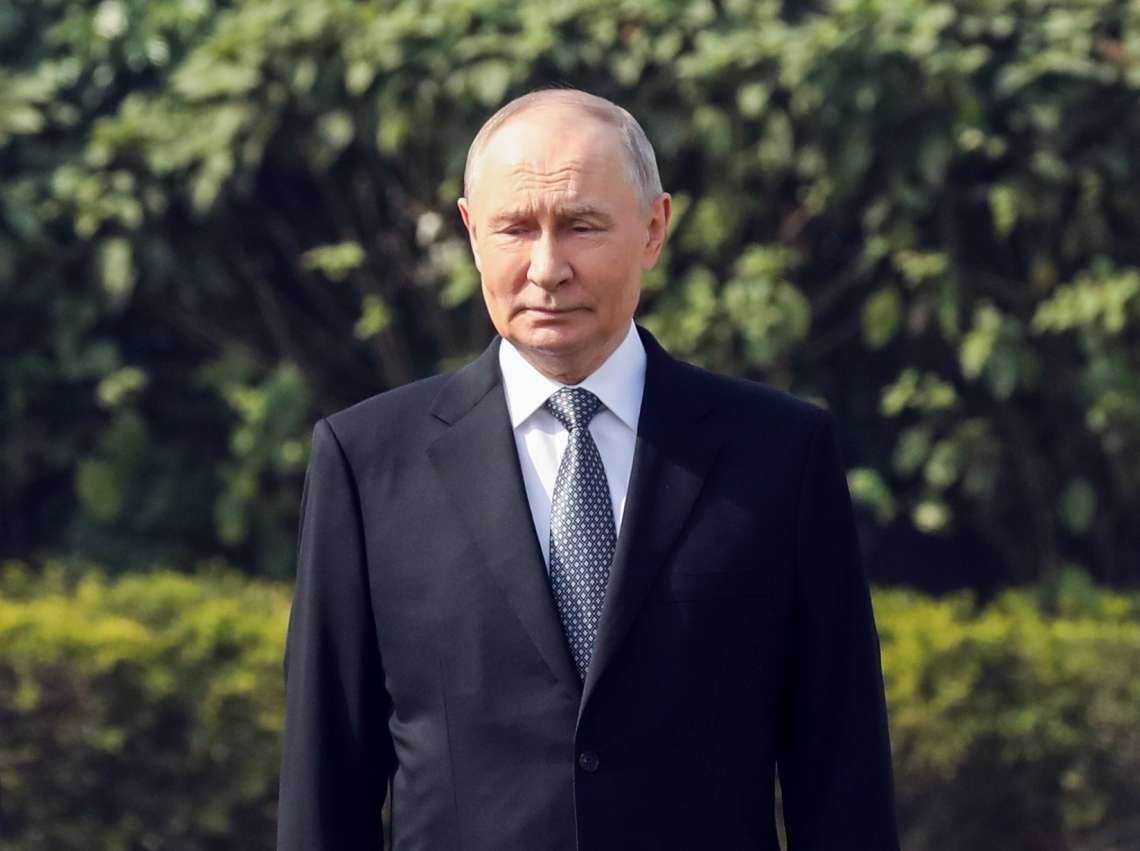
President Vladimir Putin has said that the BRICS nations are emerging as a central driver of global economic growth, trade, and technological innovation. Speaking at Russia’s flagship economic forum, leaders from several countries highlighted the increasing influence of emerging markets in shaping the global economy…reports Asia Lite News desk
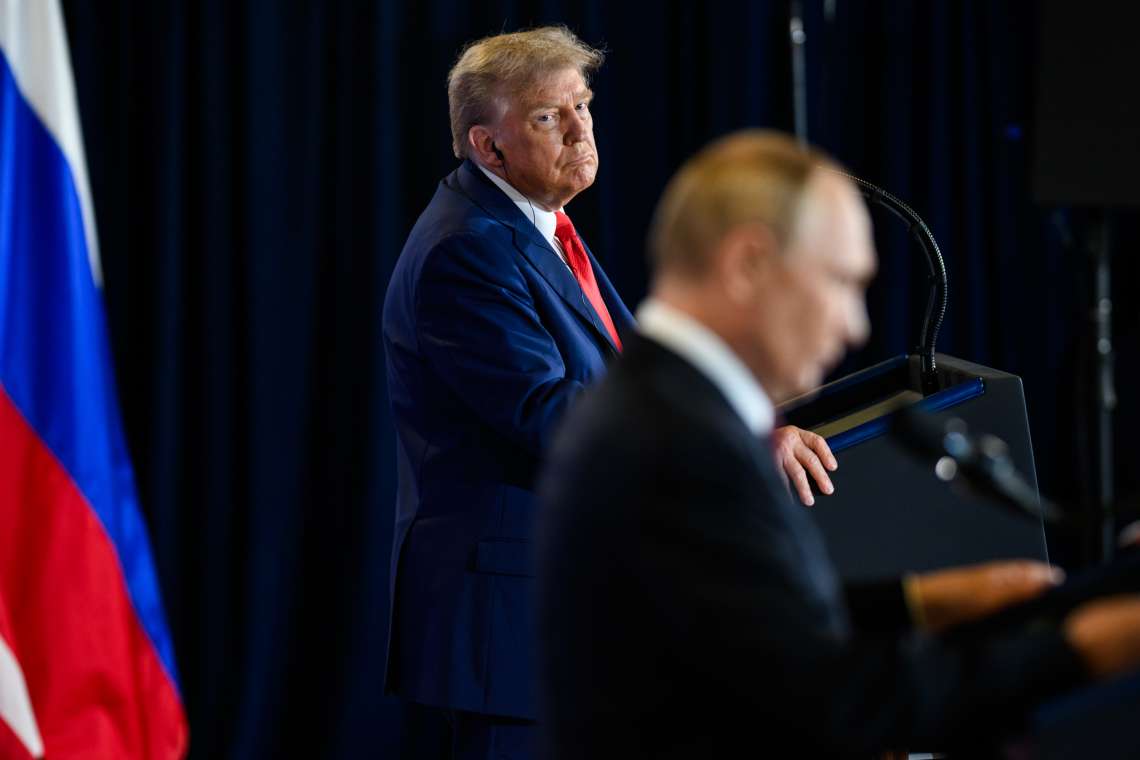
Russian President Vladimir Putin has said BRICS nations are becoming a major force in the global economy, accounting for nearly half of annual global GDP growth over the past five years and significantly increasing their share of high-tech exports.
Addressing the plenary session of the 29th St Petersburg International Economic Forum (SPIEF), Putin said BRICS countries now contribute around 40 per cent of global GDP in purchasing power parity terms.
“During the existence of BRICS, its share of global merchandise trade has more than doubled, while intra-BRICS trade has already exceeded $1 trillion,” he said.
Putin highlighted the growing technological capabilities of BRICS members, stating that the group now accounts for more than one-third of global high-tech exports. He pointed to China’s leadership in artificial intelligence patents, India’s strong position in the global software industry, and Russia’s advances in digital platforms, financial technologies and nuclear energy, according to TV BRICS.
“The world becomes fairer when economic growth embraces billions of people who were previously on the periphery of the global economy,” Putin said.
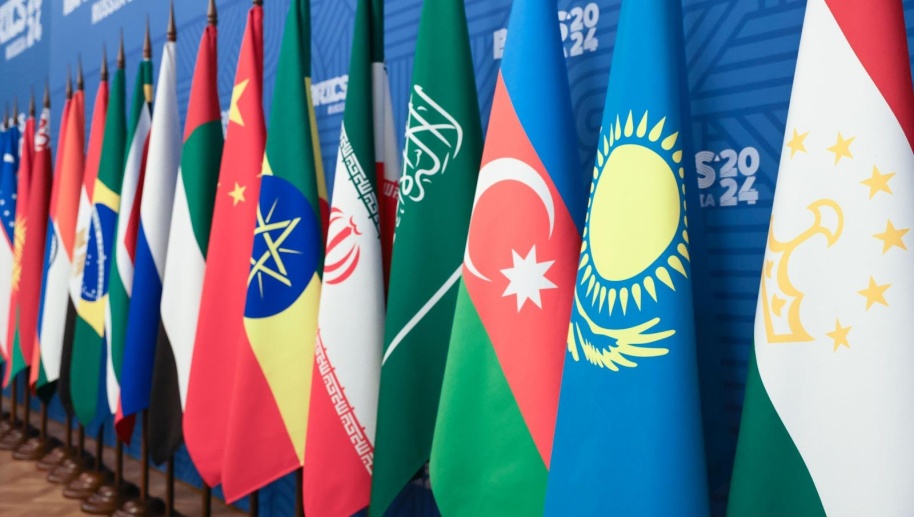
He added that 49 per cent of global GDP growth in recent years has come from BRICS countries, underlining the bloc’s increasing role in driving economic expansion.
The comments came during a session focused on the transformation of the global economy and the growing influence of emerging markets in shaping future development.
Uzbekistan President Shavkat Mirziyoyev said cooperation between Russia and Uzbekistan has moved beyond traditional trade ties and entered a new phase centred on technology and industrial development. He said collaboration now includes “technological alliances, industrial chains and joint production projects.” According to Mirziyoyev, the portfolio of joint Russia-Uzbekistan projects currently exceeds $50 billion.
Tanzanian President Samia Suluhu Hassan highlighted Africa’s growing economic significance, citing demographic and economic trends expected to increase the continent’s global influence over the coming decades. She said that by 2050, one in four people worldwide will be African, and that the continent will be home to nine of the world’s 20 fastest-growing economies.
Chinese Vice President Han Zheng also addressed the gathering, calling for a fairer system of global governance and greater international cooperation. Han said China and Russia remain committed to promoting a multipolar world order based on sovereign equality, international law and genuine multilateral cooperation.
The forum brought together political leaders, policymakers, and business representatives to discuss economic trends and international cooperation amid significant changes in global markets. Speakers focused on the increasing role of developing and emerging economies in driving growth, technological innovation and trade. Discussions also reflected broader efforts by countries within and beyond the BRICS to strengthen economic partnerships and diversify cooperation across sectors, including technology, manufacturing, and infrastructure.
The BRICS grouping, which originally brought together Brazil, Russia, India, China and South Africa, has expanded in recent years and continues to position itself as an influential platform for cooperation among emerging economies.
At the forum, participants emphasised the importance of economic integration, investment and technological development as key drivers of future growth, while highlighting the shifting balance of economic activity towards emerging markets.