Senior officials discuss regional developments, BRICS cooperation and bilateral ties on the sidelines of the BRICS National Security Advisors’ Meeting in New Delhi….reports Asian Lite News Desk
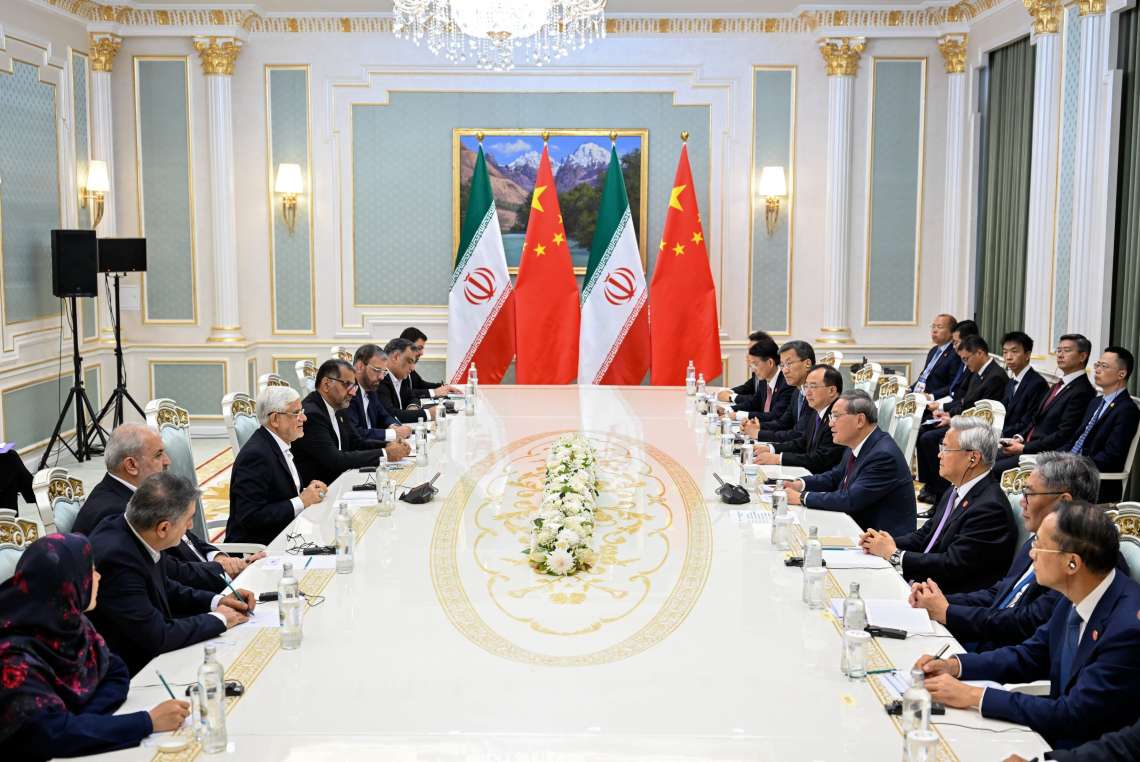
India’s National Security Advisor, Ajit Doval, met Iran’s Deputy Secretary for Defence Affairs of the Supreme National Security Council, Ghadir Nezamipour, in New Delhi on Monday to review the evolving situation in West Asia and discuss cooperation under the BRICS framework.
The meeting took place on the sidelines of the 16th BRICS National Security Advisors’ Meeting, which is being hosted by India under its chairship.
According to the Ministry of External Affairs (MEA), the two sides exchanged views on regional developments in West Asia and also reviewed bilateral relations between India and Iran. Discussions additionally focused on strengthening engagement through the BRICS platform amid growing geopolitical and security challenges.
MEA spokesperson Randhir Jaiswal said in a post on X that both sides reviewed the ongoing situation in West Asia and explored avenues for deeper cooperation within BRICS as well as in bilateral ties.
The two day BRICS National Security Advisors’ Meeting has brought together senior security officials from member nations to deliberate on emerging global security concerns and enhance coordination on strategic issues.
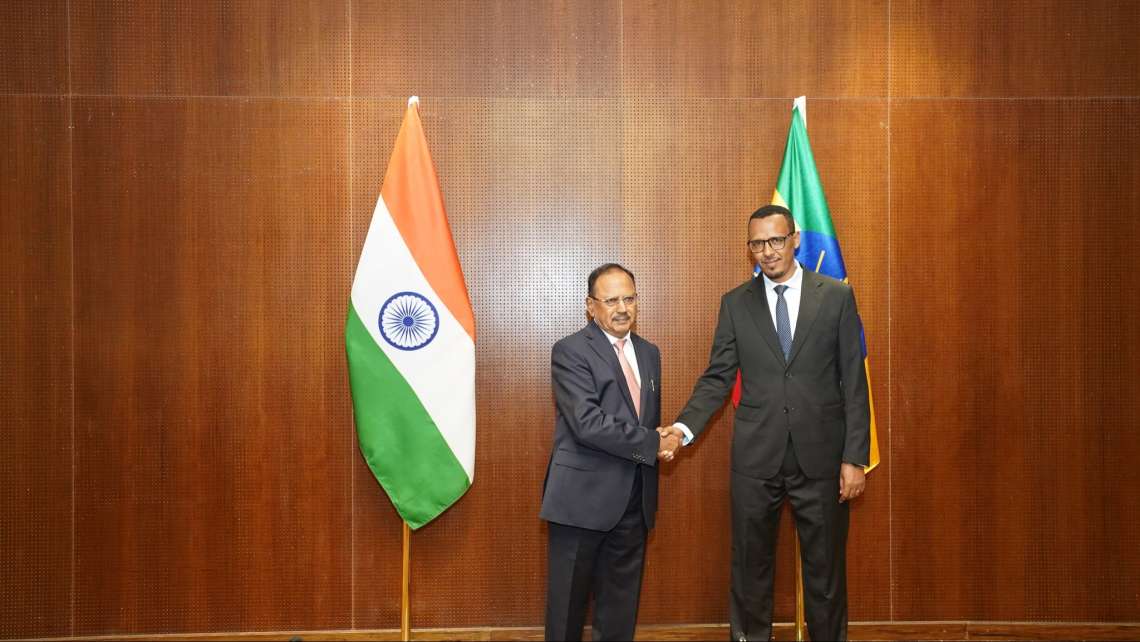
Separately, Doval also met Million Lema Tadesse, Executive Director of Analysis at Ethiopia’s National Intelligence and Security Service. The two officials discussed ways to strengthen and deepen the India Ethiopia Strategic Partnership, with a focus on expanding cooperation in areas of mutual interest.
According to the MEA, the BRICS meeting will focus on the theme, “Non traditional security challenges confronting the world today”. Delegates are expected to exchange views on the changing nature of security threats, including challenges posed by emerging technologies and other evolving risks.
The gathering will also review the outcomes of recent BRICS Joint Working Group meetings on counter terrorism and security in the use of information and communication technologies, as member countries seek greater coordination in addressing shared security concerns.