Bangladesh’s Jamaat-e-Islami is allegedly backing a network of smaller organisations to stage anti-India campaigns while avoiding direct involvement…reports Asian Lite News Desk
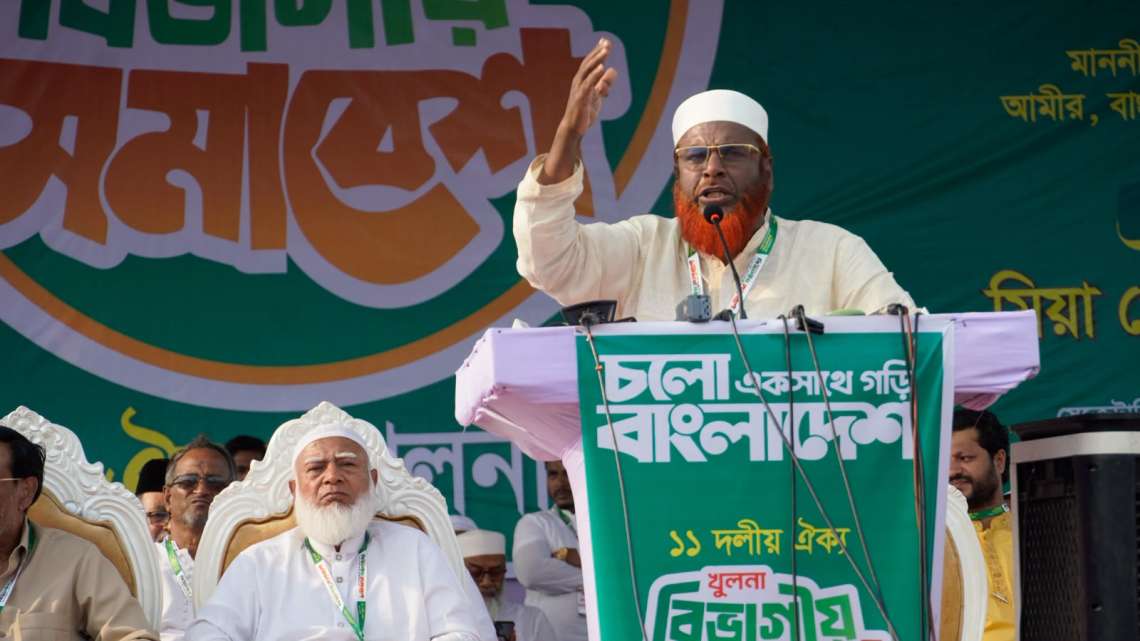
Bangladesh’s Jamaat-e-Islami is seeking to expand its influence through a network of affiliated organisations that are increasingly being used to spearhead anti-India campaigns while allowing the party to remain in the background, according to officials familiar with the developments.
Officials claim that the strategy is aimed at undermining the recent improvement in India-Bangladesh relations without jeopardising Jamaat’s efforts to project itself as a responsible opposition force in Bangladesh’s political landscape.
Jamaat emerged as a significant political force in Bangladesh following this year’s general elections, winning 68 parliamentary seats and becoming the second largest party after the Bangladesh Nationalist Party (BNP) led by Tarique Rahman. The Jamaat-led alliance currently holds 77 seats in parliament.
According to officials, ties between India and Bangladesh have improved under the current administration, with both countries maintaining regular diplomatic engagement despite continuing discussions on sensitive issues including border management, trade and migration.
Officials say Jamaat views the warming relationship with concern and is attempting to create friction through smaller organisations and front groups rather than leading such efforts directly. The party is widely believed by Indian officials to maintain close links with Pakistan’s Inter-Services Intelligence (ISI), although these claims have been repeatedly denied by the organisations concerned.
One example cited by officials is the Bangladesh Azad Party (BAP), a relatively new political outfit that organised a demonstration in Dhaka on June 19 against India’s policy of deporting and repatriating illegal immigrants. Protesters attempted to march towards the Indian High Commission before being stopped by police and also burned an effigy of Union Home Minister Amit Shah.
Officials allege that while BAP presents itself as an independent political organisation, many of its members have links to Jamaat. They argue that the group was created to lead anti-India protests while providing Jamaat with plausible deniability.
According to intelligence officials, the objective is to shift attention away from the issue of illegal immigration and instead portray India’s actions as a humanitarian and human rights concern. They contend that such narratives are intended to generate international criticism of New Delhi.
Officials also point to several other organisations that they say support Jamaat’s objectives, including the National Citizen Party, Islamic Andolan Bangladesh, Amar Bangladesh Party, Bangladesh Khilafat Andolan and Nizam-e-Islam Party.
The National Citizen Party, a student-led organisation that emerged during protests against former Prime Minister Sheikh Hasina, has been identified by officials as one of the groups capable of mobilising anti-India campaigns. India had maintained close ties with Hasina’s government before her removal from power.
Officials believe Pakistan’s ISI will continue attempts to influence developments in Bangladesh and use proxy organisations to strain relations between Dhaka and New Delhi. They argue that issues such as illegal immigration and migrant repatriation have become focal points in broader efforts to challenge India’s position.
According to officials, Jamaat is expected to continue encouraging the emergence of new organisations that can amplify anti-India narratives while shielding the party from direct political fallout.