India has advised the families of its officials stationed in Bangladesh to return home amid a deteriorating security situation, while keeping diplomatic missions fully operational…reports Asian Lite News
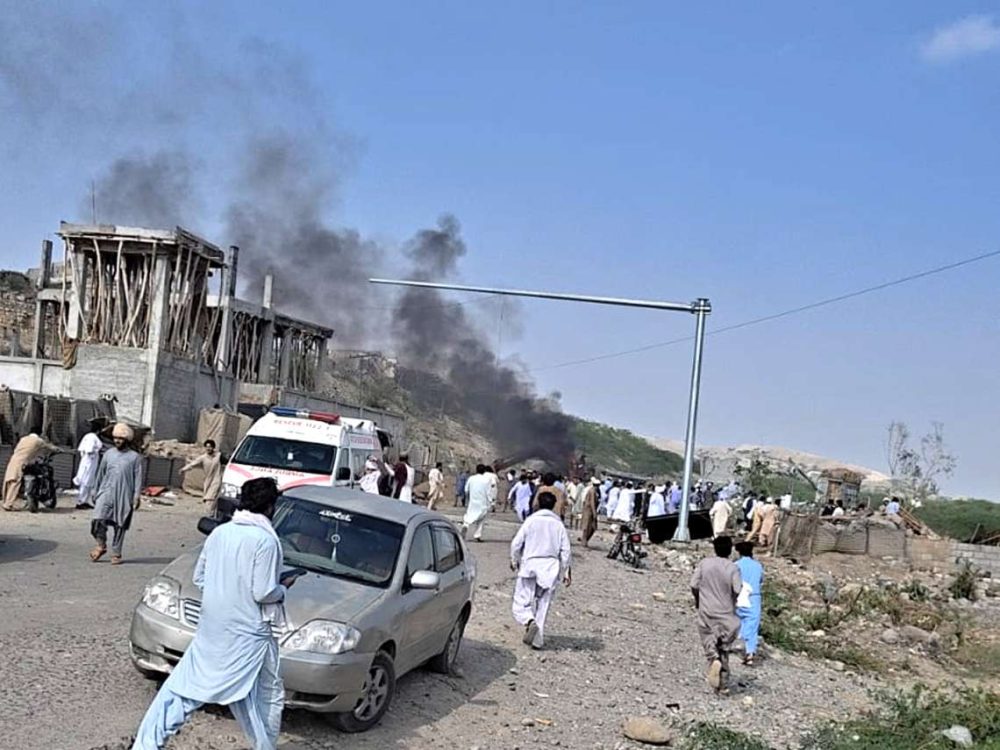
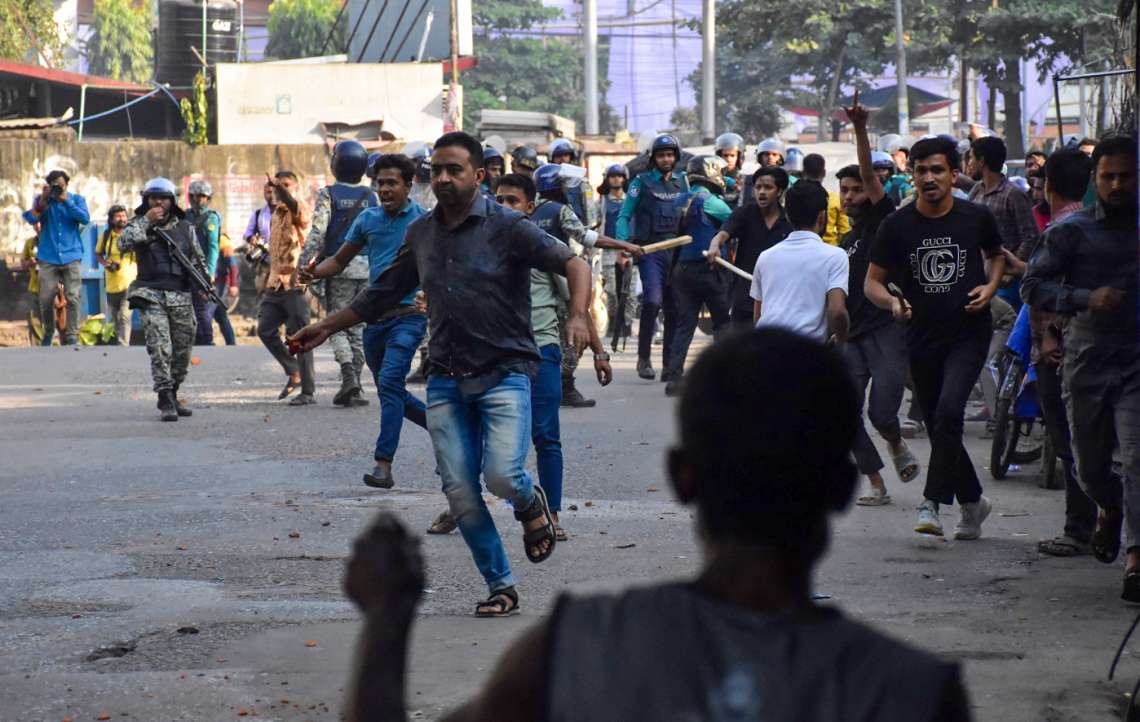
India has advised the families of its officials posted in Bangladesh to return home amid what it described as a deteriorating security situation, while stressing that its diplomatic missions in the country remain open and fully operational. The advisory comes against the backdrop of recent violence in Bangladesh and heightened political tensions ahead of the country’s national elections.
According to official sources, the decision was taken as a precautionary measure following developments in Bangladesh that have raised concerns over the safety of foreign nationals. “Given the security situation, as a precautionary measure, we have advised the dependents of mission and post officials to return to India,” an official source said, adding that “the mission and all posts in Bangladesh continue to remain open and operational”.
India’s Ministry of External Affairs said New Delhi has repeatedly raised the issue of the deteriorating security environment in Bangladesh with authorities in Dhaka. In a statement issued last month, the ministry said it “would continue to ensure the safety of missions and posts in Bangladesh in keeping with its diplomatic obligations”. The ministry also underlined that Indian mission and post officials would continue working with full strength.
The advisory applies to the families of Indian diplomats and officials stationed across Bangladesh, including those posted at the High Commission in Dhaka and at consulates elsewhere in the country. Officials said the decision was taken after reviewing recent developments and that the situation would continue to be monitored.
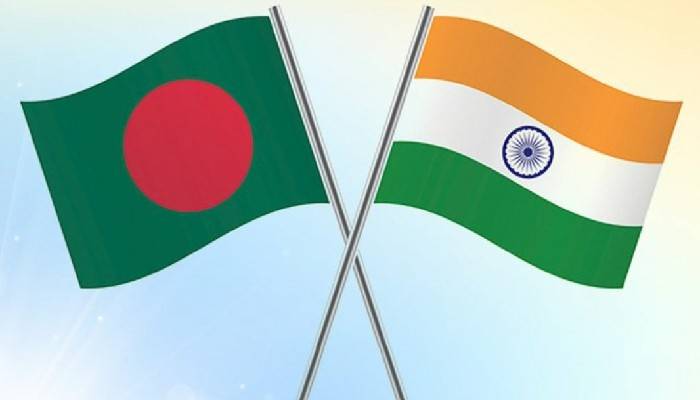
India has deep diplomatic, economic and people-to-people ties with Bangladesh, and developments affecting security in the neighbouring country are closely watched in New Delhi. While the advisory signals concern, officials were keen to emphasise that it does not amount to a scaling back of India’s diplomatic presence or engagement.
In India’s wider neighbourhood, differing security assessments have led to varied approaches. Afghan nationals continue to remain in Afghanistan, while Indian officials posted there are also in place. In contrast, diplomats in Pakistan are allowed to take their families along, they generally attend the same schools and their children go to local schools, reflecting a different assessment of conditions on the ground.
The advisory on Bangladesh comes as the country prepares for national elections amid a tense political atmosphere. Periodic unrest and clashes in parts of the country have raised concerns among foreign missions and businesses operating there. Indian officials said New Delhi has been in regular touch with Bangladeshi authorities on security-related issues.
Separately, security considerations in Bangladesh have also had implications for international sport. Bangladesh’s sports adviser, retired Maj Gen M Sakhawat Hossain Nazrul, said the country would not play a Cricket World Cup match in India, citing venue-related concerns. “We have asked for change in venue on logical grounds and we cannot be pressured to play in India,” he said.
Nazrul added that the Bangladesh Cricket Board had written to the International Cricket Council seeking to change the venue for a match scheduled to be played in India. According to him, the ICC had given Bangladesh an ultimatum, but the board was continuing to press its case.

“We have asked for change in venue on logical grounds and we cannot be pressured to play in India,” Nazrul said, reiterating the government’s position. He added that the decision was taken after assessing the circumstances surrounding the fixtures.
An ICC spokesperson, quoted in the report, said the organisation had not changed the venue. The spokesperson said they would not travel to India and the ICC could change the venue, adding that discussions were ongoing. The comments underline how security perceptions and political considerations can intersect with sporting events in the region.
The Indian government has not linked its advisory on Bangladesh directly to the sporting dispute, and officials have stressed that the decision to advise families to return home was based on a broader assessment of security conditions. They also emphasised that India remains committed to maintaining normal diplomatic engagement with Bangladesh.
Analysts say such advisories are not uncommon when governments reassess security risks for their personnel abroad, particularly in volatile political environments. Advising dependents to leave while keeping missions open is often seen as a way of reducing risk without disrupting diplomatic work.
For now, India’s missions in Bangladesh continue to function, and officials say engagement with Dhaka remains steady. The situation, they add, is under constant review, with further decisions to be guided by developments on the ground and assessments of safety for Indian personnel and their families.