Senior officials from 11 BRICS nations to discuss synthetic drugs, darknet trafficking and intelligence sharing as India pushes for stronger global cooperation against narcotics….reports Asian Lite News Desk
India will host the BRICS Heads of Anti-Drug Agencies Meeting in Guwahati, Assam, bringing together senior officials from member countries to strengthen cooperation in tackling drug trafficking, synthetic narcotics and other emerging transnational threats.
The two-day meeting, organised by the Narcotics Control Bureau (NCB) under the Ministry of Home Affairs, will focus on enhancing operational coordination, intelligence sharing and institutional cooperation among BRICS member states in the fight against illicit drugs.
According to the Ministry of Home Affairs (MHA), the discussions will centre on three priority areas—combating synthetic drugs and the diversion of precursor chemicals, strengthening intelligence sharing and operational coordination, and promoting capacity building and institutional cooperation.
The meeting will bring together the heads of anti-drug agencies and senior officials from BRICS countries to deepen collaboration and ensure greater continuity in efforts to combat the growing global drug menace.
During the conference, delegates will review the drug situation in their respective countries and participate in six thematic sessions addressing key global challenges in narcotics control.

The sessions will examine the use of digital technologies for real-time drug interdiction, combating drug trafficking through the darknet, tackling emerging New Psychoactive Substances (NPS), preventing the diversion of precursor chemicals and pharmaceutical products, strengthening measures to reduce drug demand, and enhancing institutional mechanisms for international cooperation.
The meeting will conclude with the adoption of a joint declaration outlining the shared commitment of BRICS countries to strengthen cooperation against drug trafficking and related organised crime.
In a statement, the Ministry of Home Affairs said the global drug trafficking landscape has changed significantly with the rapid spread of synthetic drugs, New Psychoactive Substances, darknet-enabled trafficking and cryptocurrency-based financial transactions, creating increasingly complex cross-border challenges.
The ministry noted that advances in interdiction technologies, data analytics and financial intelligence have also created new opportunities for countries to strengthen coordinated enforcement and intelligence-led operations.
According to the ministry, India views the meeting as an opportunity to transform BRICS cooperation from a dialogue-driven platform into a more structured and action-oriented mechanism capable of responding effectively to emerging drug-related threats.
The government said the meeting would also provide India with an opportunity to showcase its efforts to combat drug trafficking and substance abuse through a comprehensive strategy that combines law enforcement with public awareness, community participation and rehabilitation programmes.
The Ministry of Home Affairs highlighted that India has intensified its crackdown on illicit drug trafficking networks and organised criminal syndicates in recent years while simultaneously strengthening measures to prevent substance abuse and support treatment for those affected by addiction.
As part of its broader strategy, India recently unveiled the Vision Document on Narcotics Control (2026–2029), aimed at enhancing institutional capacity and improving coordination among agencies involved in narcotics control.
During its BRICS chairmanship, India will seek to expand cooperation through greater sharing of intelligence on clandestine drug laboratories and emerging synthetic drug trends, improved monitoring of precursor chemicals and pharmaceutical products, exchange of best practices, joint training programmes and expert exchanges among member countries.
India’s BRICS Chairship is guided by the theme “Building for Resilience, Innovation, Cooperation and Sustainability”, reflecting a people-centric and humanity-first approach articulated by Prime Minister Narendra Modi at the 2025 Rio Summit.
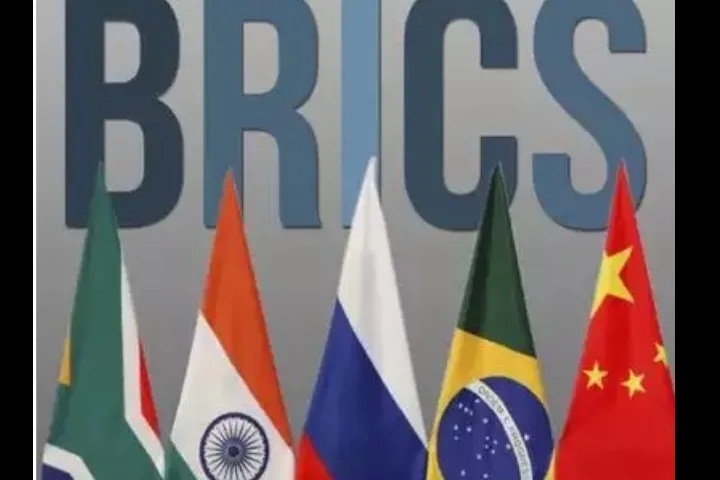
BRICS comprises 11 emerging economies—Brazil, China, Egypt, Ethiopia, India, Indonesia, Iran, Russia, Saudi Arabia, South Africa and the United Arab Emirates—and serves as a platform for cooperation on global political, economic and security issues.