Indonesia has extended its one-day-a-week work-from-home policy for civil servants until the end of September as part of wider efforts to improve efficiency and reform the bureaucracy….reports Asian Lite News Desk
Indonesia has extended its one-day-a-week work-from-home policy for civil servants until the end of September following a review of its implementation over the past two months, the government announced on Wednesday.
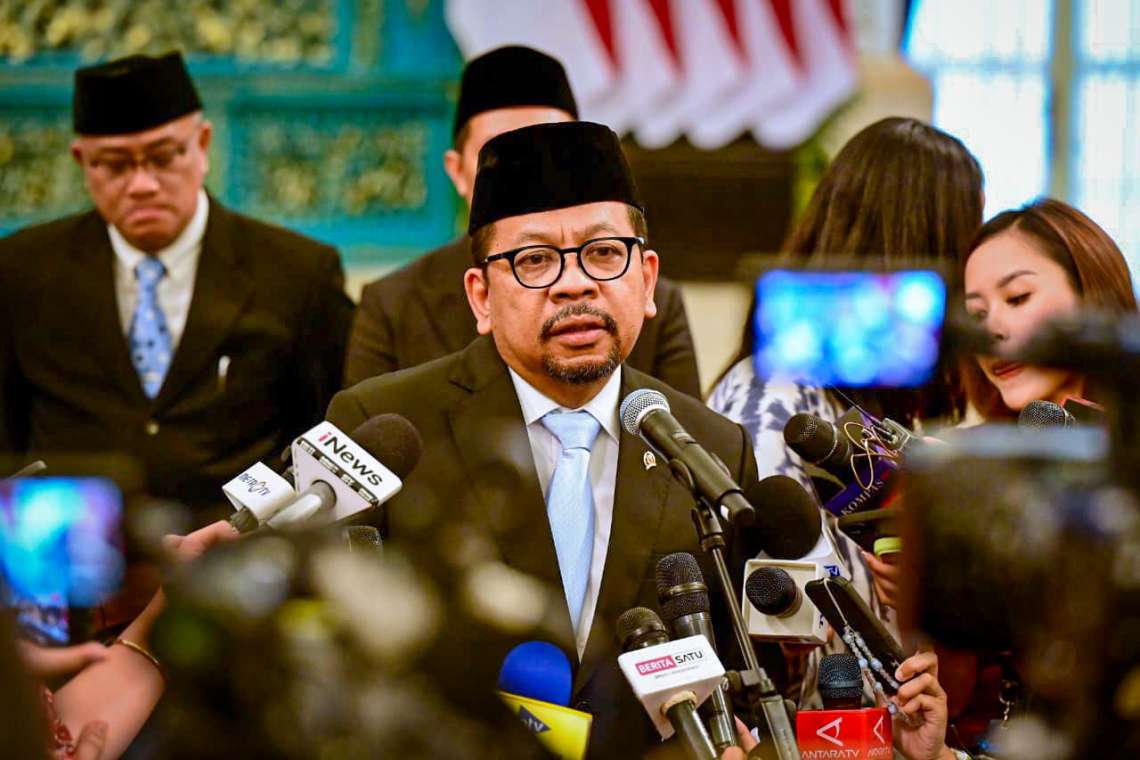
Muhammad Qodari, head of the Government Communications Agency, said the extension forms part of the government’s broader efforts to reform the bureaucracy, improve operational efficiency and reduce energy consumption.
He said the policy would continue to be assessed based on organisational performance and the quality of public services.
Under the arrangement, individual government institutions will decide how the work-from-home policy is implemented within their organisations. However, essential public services, including healthcare, education, civil registration and licensing, will continue to operate normally throughout the working week.
The announcement came as the government reiterated its plans to strengthen the labour market by placing greater emphasis on practical skills.
Manpower Minister Yassierli said Indonesia was promoting a skills-first approach to better match workers’ capabilities with rapidly changing industry demands.
“The labour market today is looking for skills, and I believe a skills-first approach is one of the keys to ensuring we remain competitive,” Yassierli said.
He added that employers were increasingly prioritising practical skills over formal academic qualifications as industries evolved faster than the labour market could produce suitably qualified workers.
The minister said closer cooperation between the government and industry would help improve Indonesia’s competitiveness and strengthen economic resilience amid growing global challenges.
The policy announcements coincided with the release of new economic data showing continued growth in Southeast Asia’s largest economy.
According to official figures released by Statistics Indonesia (BPS), the country’s economy expanded by 5.29 per cent year-on-year in the second quarter of 2026. Gross domestic product at constant prices reached 3,576.2 trillion rupiah (around USD 199 billion), while GDP at current prices stood at 6,552.1 trillion rupiah during the April to June period.
Indonesia is seeking to accelerate investment, industrial development and domestic consumption as part of President Prabowo Subianto’s target of increasing annual economic growth to 8 per cent by 2029.