Australia, Canada and the EU condemn Iran’s deadly crackdown on protesters, urging an immediate end to lethal force as nationwide demonstrations expose deepening unrest.
Australia, Canada and the European Union have issued a joint condemnation of Iran’s security forces over the killing of anti-government protesters, urging Tehran to immediately end the use of lethal force as unrest spreads nationwide.
The statement praised the courage of Iranians taking to the streets and accused the Iranian regime of using violence, intimidation and arbitrary arrests against its own citizens.
Western allies denounce violence
In their joint statement, the foreign ministers of Australia, Canada and the European Union said they stood with the Iranian people as they demand dignity and basic freedoms.
“We commend the bravery of the Iranian people as they stand up for their dignity and their fundamental right to peaceful protest,” the ministers said. “We strongly condemn the killing of protestors, the use of violence, arbitrary arrests, and intimidation tactics by the Iranian regime against its own people.”
They called on Iran to immediately halt the use of excessive and lethal force by its security forces, including the Islamic Revolutionary Guard Corps and the Basij militia, warning that dozens of lives had already been lost.
Protests spread as death toll rises
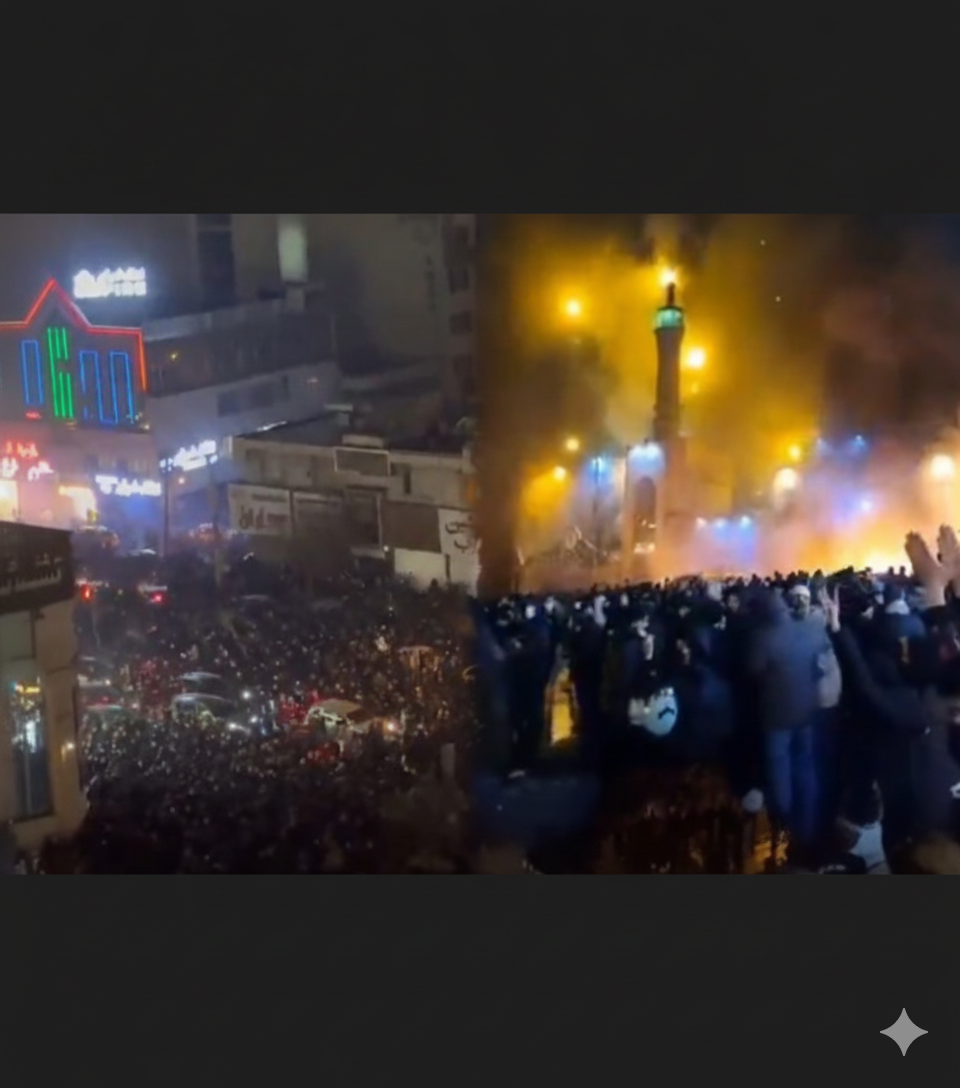
Anti-government demonstrations have continued to erupt across Iran since late December, with reports of communication blockades in several areas and an increasingly forceful security response.
Multiple media outlets and human rights organisations estimate that at least 62 people have been killed since the protests began, although official figures have not been released. The unrest shows little sign of abating as demonstrations enter their third week.
Economic anger
The protests initially began on December 28, 2025, in markets in Tehran, driven by public anger over rising inflation and the sharp fall in the value of the rial. What started as economic demonstrations have since evolved into a nationwide movement against political repression and the clerical establishment led by Supreme Leader Ayatollah Ali Khamenei.
The demonstrations reflect deepening frustration over economic hardship, governance and restrictions on political freedoms.
Rights groups report mass arrests
US-based Human Rights Activists News Agency reported that more than 65 people have been killed and at least 2,311 individuals detained. According to the group, protests have spread to more than 500 locations across 180 cities in all 31 provinces of Iran.
Iranian state media, which had largely avoided reporting on fatalities, acknowledged on Friday that there had been “casualties”, without providing further details.
Exiled prince urges international intervention
The unrest has also prompted reactions from opposition figures abroad. Iran’s exiled crown prince Reza Pahlavi appealed to US President Donald Trump for urgent international action, calling on world leaders to support the protesters.
“This is an urgent and immediate call for your attention, support and action,” Pahlavi said in a social media post, urging intervention to help the Iranian people.
Following his appeal, large numbers of protesters took to the streets on Thursday and Friday, chanting anti-government slogans and voicing support for Pahlavi’s return to Iran.
Pahlavi’s father, Mohammad Reza Shah Pahlavi, was Iran’s last monarch and fled the country months before the 1979 Islamic Revolution overthrew the monarchy and established the current regime.
As protests continue and reports of deaths and detentions mount, pressure on Tehran is growing, with Western governments increasingly demanding restraint, accountability and respect for fundamental human rights.