The proposal comes after Islamabad’s own unsuccessful attempt to facilitate dialogue between Iran and the United States….reports Asian Lite News Desk
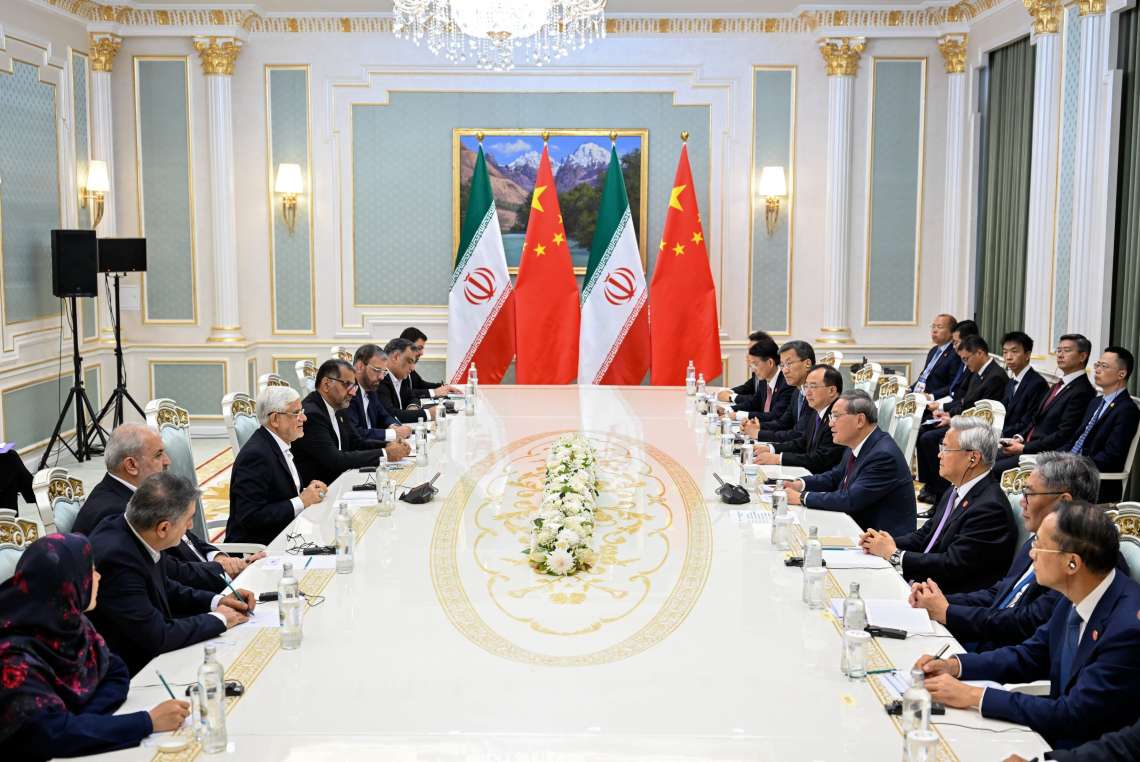
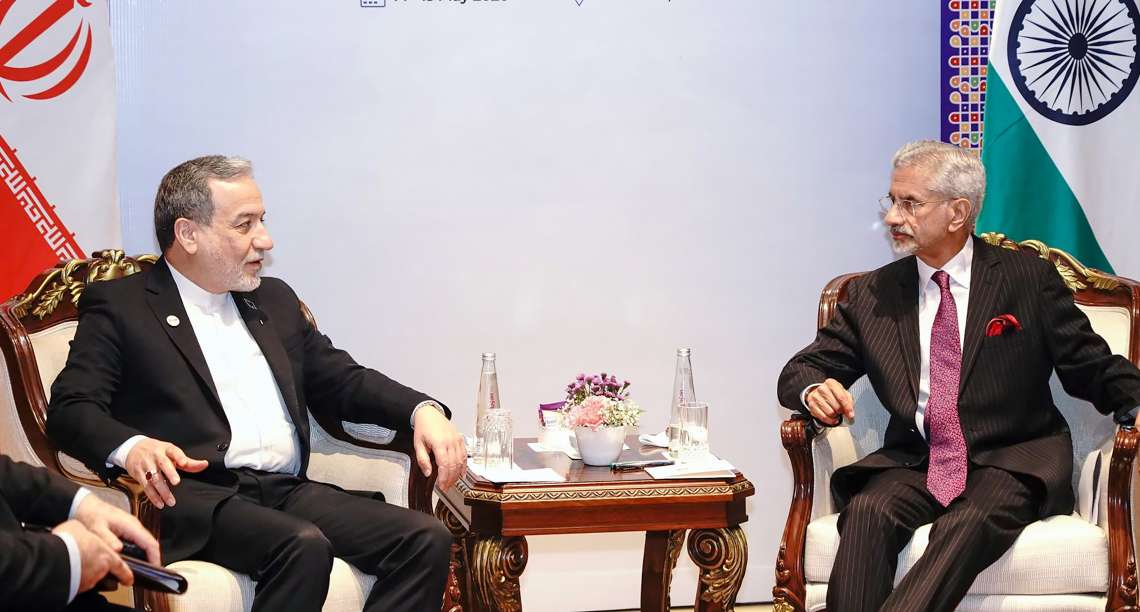
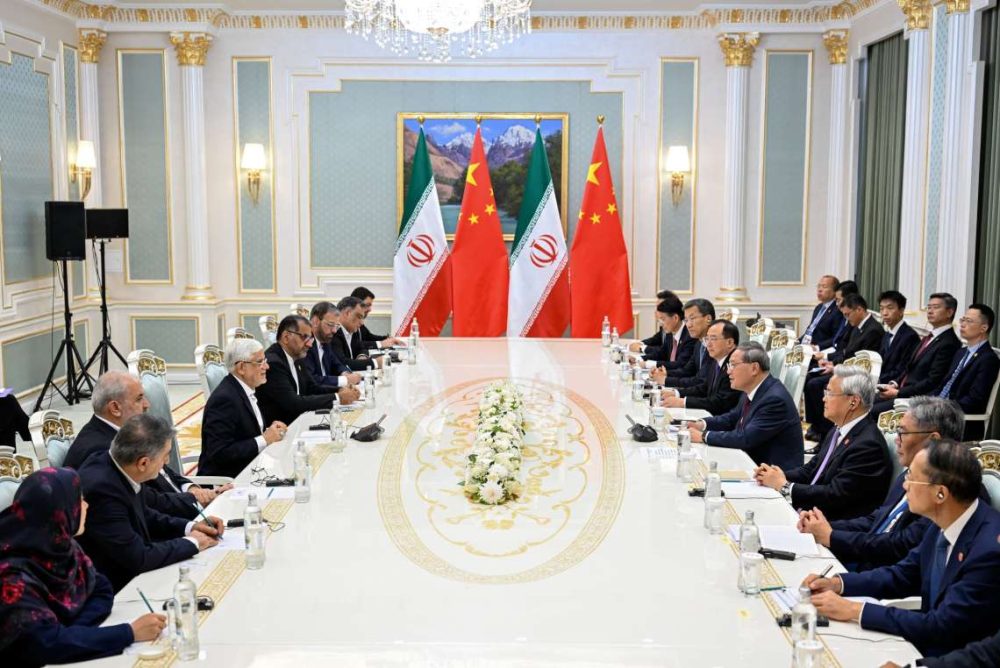
Iran has reiterated its offer to mediate between Pakistan and Afghanistan, urging the two neighbours to engage in dialogue to resolve their longstanding border disputes and recurring cross-border violence.
The renewed proposal comes as relations between Islamabad and Kabul remain strained over militant activity, border security and disagreements surrounding the Durand Line, the frontier recognised by Pakistan but rejected by successive Afghan governments.
Iran’s offer also follows Pakistan’s recent diplomatic effort to facilitate dialogue between Iran and the United States. While Pakistan initially sought to position itself as an intermediary, negotiations eventually centred on Qatar, which maintained established communication channels with both Washington and Tehran.
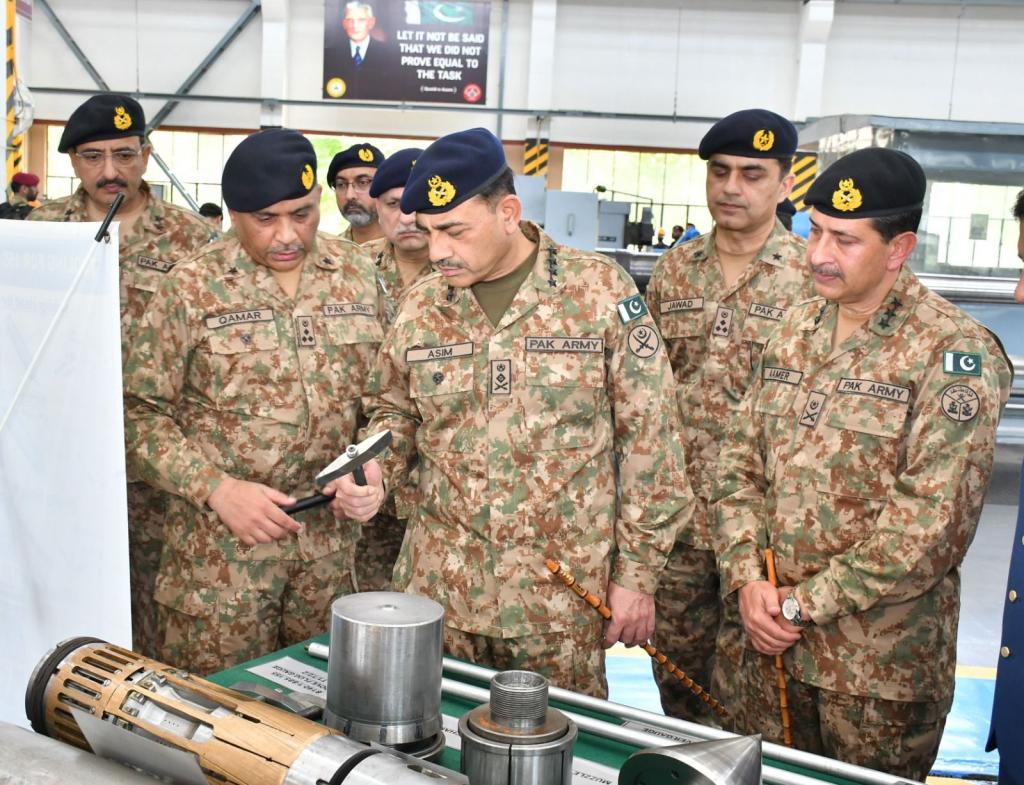
Pakistan’s mediation initiative had attracted attention after Army Chief General Asim Munir made multiple visits to Tehran and received public praise from US President Donald Trump. However, Qatar ultimately emerged as the principal facilitator, hosting senior Iranian officials and coordinating discussions with US counterparts.
Washington later argued that Iran’s actions had undermined the arrangement, while Tehran insisted it had honoured its commitments and was justified in responding to US military action. Pakistan did not formally withdraw from its diplomatic efforts but gradually stepped back without announcing any suspension of its role.
Iran’s latest proposal places Islamabad in the unusual position of potentially receiving mediation after attempting to broker talks between two other regional adversaries.
The dispute between Pakistan and Afghanistan has intensified in recent years, driven largely by Islamabad’s accusations that the Afghan Taliban is allowing the Tehreek-e-Taliban Pakistan (TTP) to operate from Afghan territory. Pakistan says the group has carried out deadly attacks inside the country.
Kabul has consistently rejected those allegations, maintaining that it does not harbour militant groups targeting Pakistan. Afghan authorities have instead argued that Islamabad should address its own internal security challenges and have criticised Pakistani cross-border military operations.
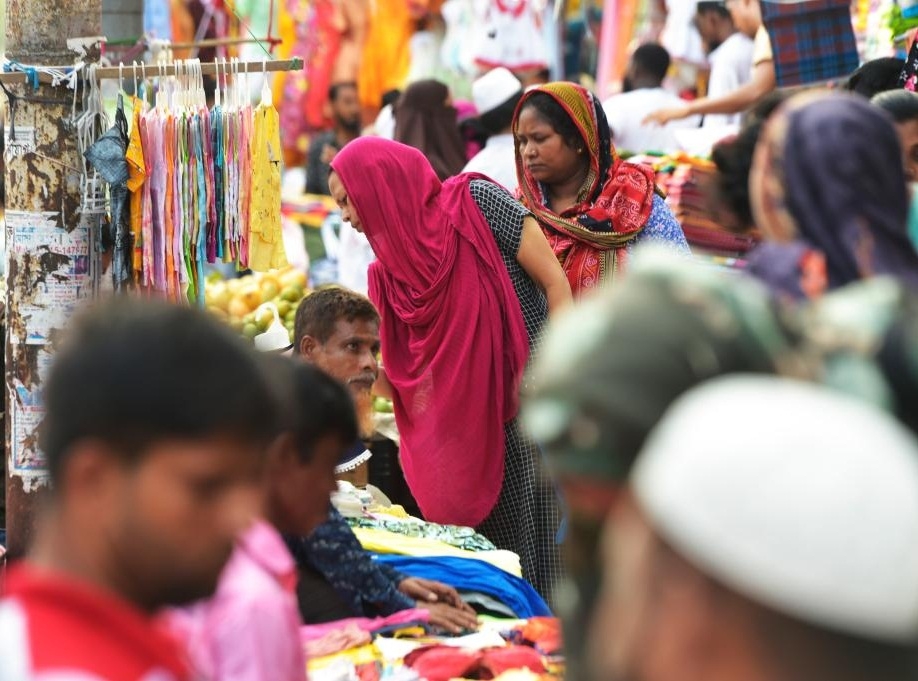
The deteriorating security situation has led to repeated closures of key border crossings, disrupting trade and affecting communities that rely on cross-border movement for livelihoods and family ties.
Another major source of disagreement remains the Durand Line, the 2,600-kilometre border established during British colonial rule in the late 19th century. Pakistan regards it as the internationally recognised frontier, while successive Afghan governments have refused to formally accept it, arguing that large Pashtun-populated areas historically belong to Afghanistan.
Iran shares borders with both Pakistan and Afghanistan, giving it a direct stake in regional stability. Tehran also hosts millions of Afghan refugees and has expressed concern over the activities of extremist groups, including Islamic State Khorasan Province (ISKP), operating in the wider region.
Stability along its eastern frontier is also important for Iran’s trade routes, border security and efforts to manage migration and cross-border crime.
Although Tehran has experienced periodic tensions with both Islamabad and Kabul, Iranian officials have repeatedly signalled their willingness to facilitate dialogue between the two countries. By offering to mediate, Iran is seeking to position itself as a constructive regional actor capable of helping address one of South Asia’s most persistent security challenges.
Whether Pakistan and Afghanistan accept Tehran’s proposal remains unclear, but the offer reflects growing concern over the potential regional consequences of continued instability along their shared border.