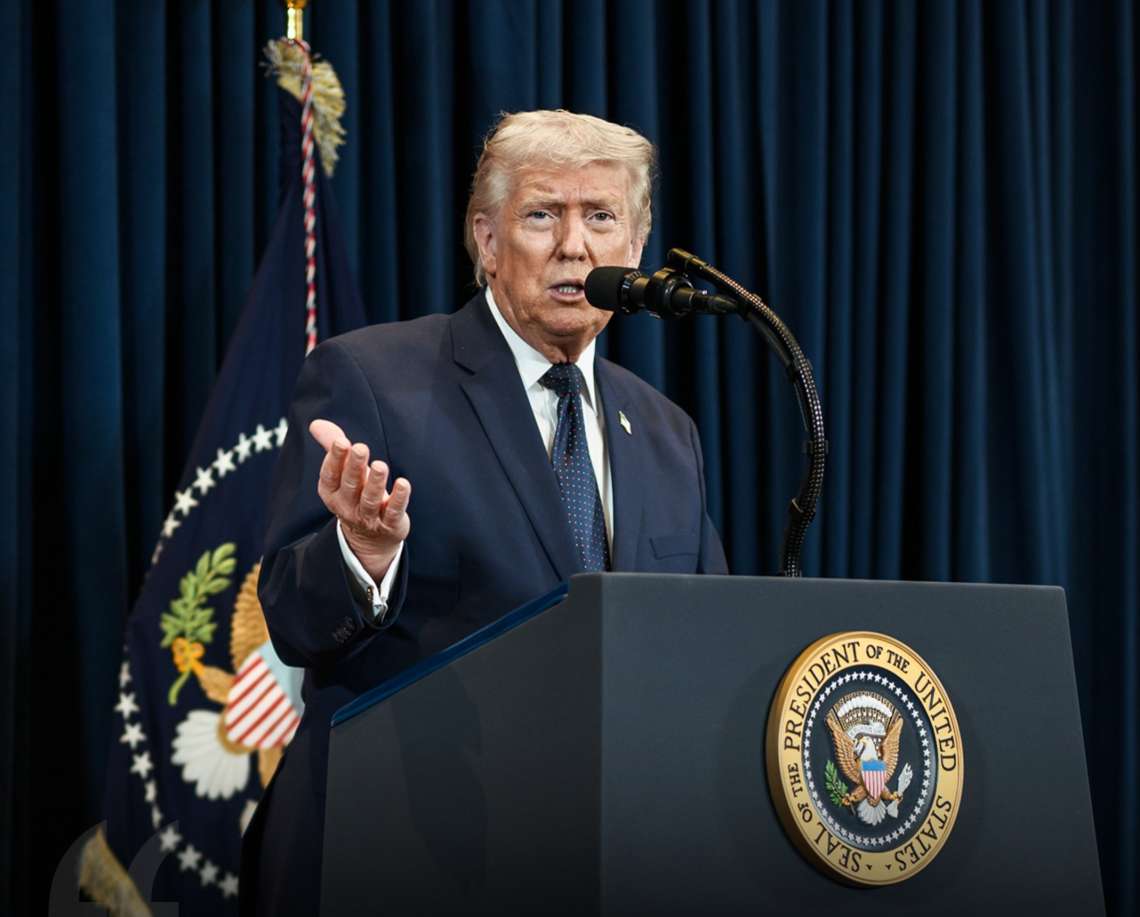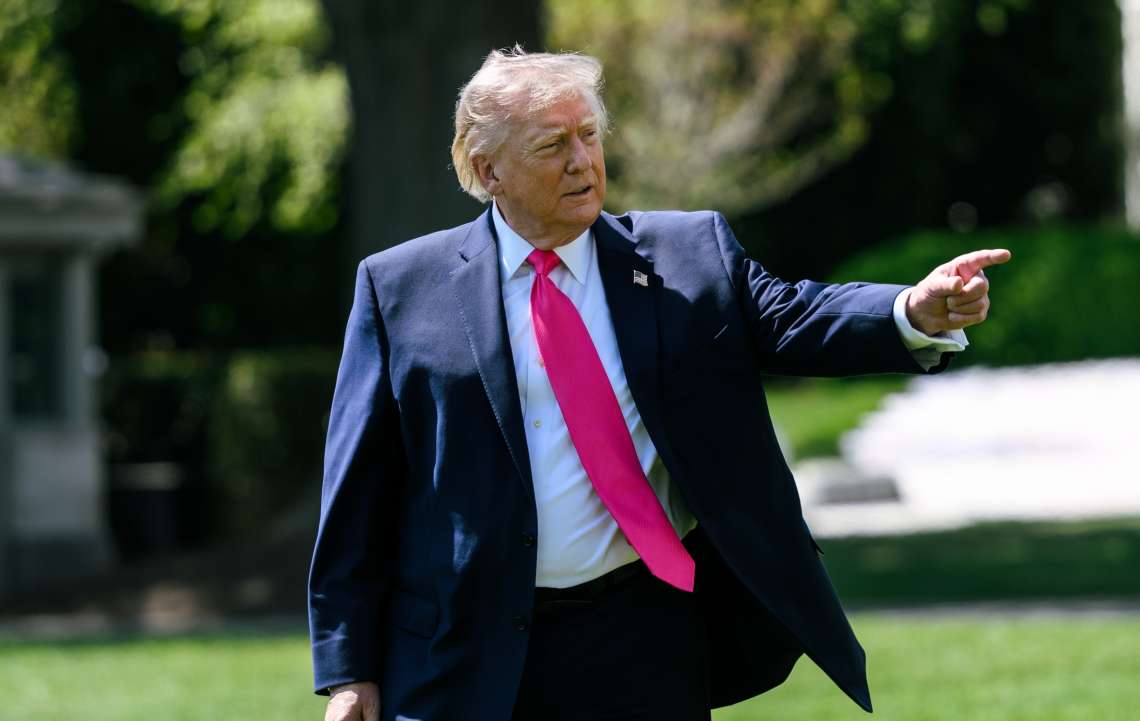
Donald Trump has said a memorandum of understanding on a peace deal with Iran has been “largely negotiated”, raising hopes that the Strait of Hormuz could reopen after months of disruption to global energy markets, reports London Daily News Desk
US President Donald Trump has said a memorandum of understanding on a peace deal with Iran has been “largely negotiated”, with discussions focused on reopening the Strait of Hormuz after months of conflict that disrupted global energy markets.
Trump wrote on Truth Social that the “final aspects and details” of the agreement were still under discussion and would be announced shortly. He said the emerging agreement would reopen the strategic shipping route, which has been heavily affected since the US and Israel launched military operations against Iran in February.
However, Iran’s Fars news agency challenged Trump’s account, reporting that the proposed arrangement would allow Iran to manage the strait and describing Trump’s comments on reopening the waterway as “inconsistent with reality”.
It was reported that Washington and Tehran were close to an agreement that would reopen the Strait of Hormuz with no tolls during a 60-day extension of the ceasefire. Under the reported framework, Iran would also be able to freely sell oil while negotiations continued over curbing its nuclear programme. In return, the US would reportedly lift its blockade of Iranian ports and issue sanctions waivers on Iranian oil exports, Axios said, citing a US official.
The reported draft agreement includes commitments from Iran not to pursue nuclear weapons and to negotiate over suspending its uranium enrichment programme as well as removing its stockpile of highly enriched uranium.
It was reported that the proposed deal contains an “apparent commitment” by Iran to give up its highly enriched uranium stockpile, although the details of how this would happen would be addressed in a later round of talks. Trump has repeatedly said US military action against Iran was aimed at preventing Tehran from obtaining nuclear weapons. Iran has denied pursuing nuclear weapons and maintains that it has the right to enrich uranium for civilian purposes.
Iran said it was working toward a memorandum of understanding to end the war after senior Iranian officials met with Pakistan’s army chief, Asim Munir. Pakistan has positioned itself as a mediator during the conflict. Pakistan’s military described the negotiations as making “encouraging” progress. Two Pakistani sources involved in the talks said the deal under discussion was “fairly comprehensive to terminate the war”.
According to sources familiar with the discussions, the proposed framework would unfold in three stages: formally ending the war, resolving the Strait of Hormuz crisis, and opening a 30-day period for negotiations on a broader agreement, with the option to extend the talks.
One Pakistani source said that if Washington accepted the memorandum, additional negotiations could begin after the Eid holiday. Trump, whose approval ratings have been affected by rising US energy prices during the conflict, said on Friday that he would not attend his son’s wedding this weekend because he intended to remain in Washington amid the Iran situation.
Trump also spoke with leaders from Saudi Arabia, Qatar, the United Arab Emirates, Jordan, Egypt, Turkiye and Pakistan, who encouraged him to support the emerging framework. Trump separately said a telephone conversation with Israeli Prime Minister Benjamin Netanyahu had gone “very well”.
Pakistan has sought to narrow differences between Tehran and Washington after weeks of conflict left shipping through the Strait of Hormuz severely restricted despite a fragile ceasefire. Iranian Foreign Ministry spokesperson Esmail Baghaei said disputes had eased in recent days but cautioned that unresolved issues remained.
“The trend this week has been toward a reduction in disputes, but there are still issues that need to be discussed through mediators. We will have to wait and see where the situation ends in the next three or four days,” Baghaei said. Iran has demanded supervision of the strait, an end to the US blockade on its ports and the lifting of sanctions affecting its oil sales.