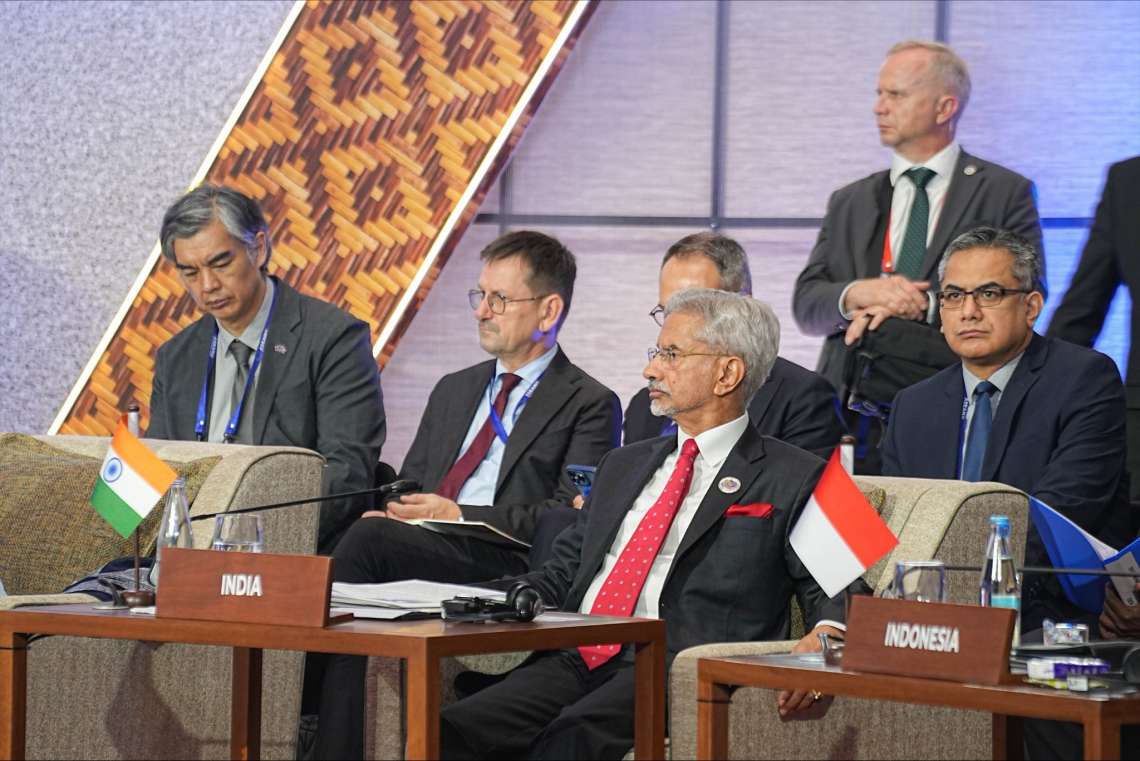
Jaishankar says attacks on merchant shipping and civilian infrastructure are unacceptable, urging that international waterways remain safe and open….reports Asian Lite News Desk
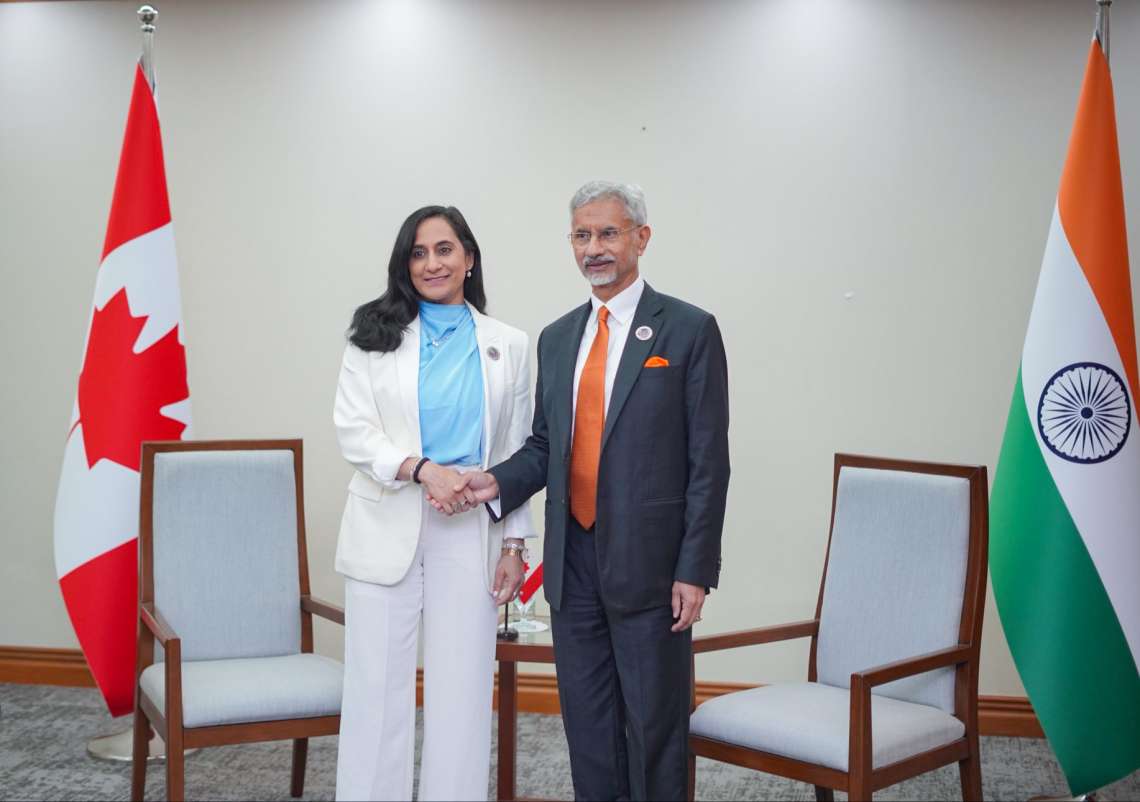
External Affairs Minister S. Jaishankar on Thursday condemned attacks on merchant shipping and civilian infrastructure, saying such incidents are unacceptable and stressing that commerce through international waterways must remain safe and free from disruption.
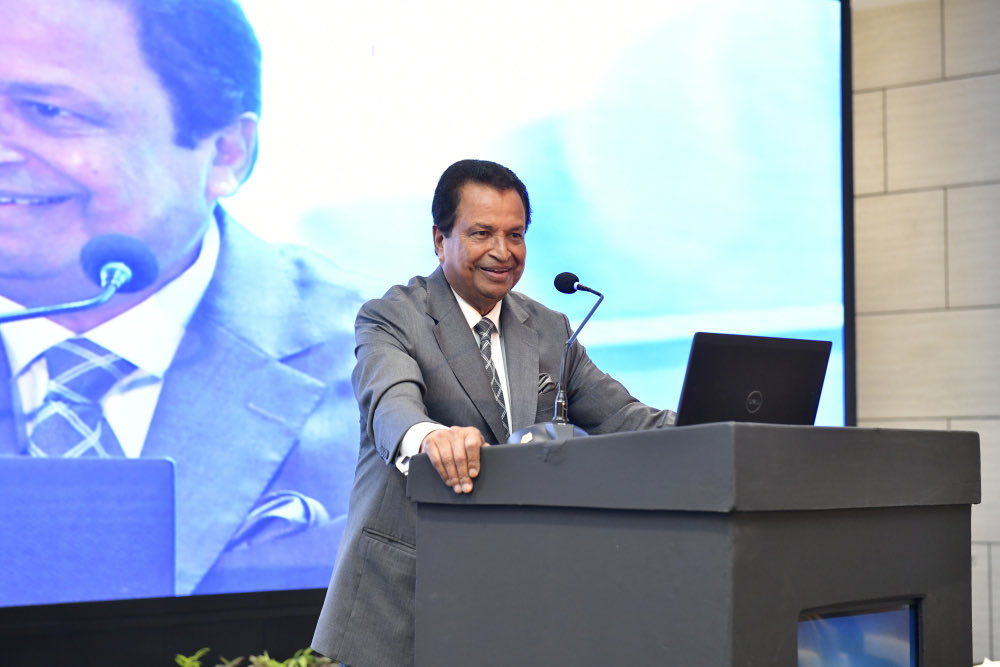
Addressing the 33rd ASEAN Regional Forum (ARF) Ministerial Meeting in Manila, Jaishankar said the forum remained an important platform for discussing political and security issues in the Indo-Pacific at a time of growing global uncertainty.
Following the meeting, the minister said on X that India welcomed the Manila Plan of Action, noting that its five pillars aligned closely with New Delhi’s own Indo-Pacific vision.
“Welcomed the Manila Plan of Action and highlighted that its five pillars are aligned with India’s own approach to the Indo-Pacific. India promotes a collaborative approach to disaster relief, sharing best practices, developing common SOPs and undertaking real-time & table top exercises,” Jaishankar posted.

He added: “Highlighted that attacks on maritime shipping and civilian infrastructure are unacceptable, and commerce through international waterways should remain safe and unimpeded.”
Jaishankar said India continued to support regional disaster preparedness through initiatives such as the Coalition for Disaster Resilient Infrastructure. He noted that the country regularly deploys field hospitals, search and rescue teams, relief materials and medical supplies in response to natural disasters.
He said India had recently contributed to rehabilitation efforts following disasters ranging from cyclones in Sri Lanka, the Philippines and Jamaica to earthquakes in Myanmar, Venezuela and Afghanistan.
On counter-terrorism, the External Affairs Minister reiterated India’s call for zero tolerance, saying there should be no doubt that terrorist acts would have consequences. He also urged greater efforts to cut off financial resources that support terrorism.
Jaishankar said India currently co-chairs the ASEAN Defence Ministers’ Meeting Plus (ADMM+) Experts’ Working Group on Counter-Terrorism with Malaysia and is leading efforts to prepare a compendium of best practices.
Highlighting India’s contribution to regional maritime security, he said the country’s Information Fusion Centre, the Indo-Pacific Maritime Domain Awareness initiative and the deployment of Indian naval forces from the North Arabian Sea to the Western Pacific were helping combat piracy, trafficking and the narcotics trade while securing maritime commerce.
The minister also called on the international community to remain vigilant against attempts to undermine non-proliferation and disarmament efforts.
He advocated a responsible and human-centric approach to artificial intelligence while calling for deeper international cooperation to tackle cybercrime and related challenges.
On the South China Sea, Jaishankar reaffirmed India’s support for a legally binding Code of Conduct.
“On South China Sea, underlined that we look forward to a substantive, effective and legally binding CoC fully compliant with UNCLOS 1982 that does not prejudice the legitimate rights of all users,” he said.
His remarks came against the backdrop of recent tensions between the Philippines and China in the South China Sea.
The South China Sea is among the world’s busiest maritime trade routes and is claimed in whole or in part by China, the Philippines, Vietnam, Malaysia, Brunei and Taiwan. The overlapping claims have led to repeated confrontations involving coast guard and naval vessels, making the region one of the Indo-Pacific’s most sensitive strategic flashpoints.