US Vice President says regional partners believe the agreement weakens Tehran’s influence while creating opportunities for long term security and economic cooperation in the Middle East….reports Asian Lite News Desk
US Vice President JD Vance on Thursday said key Gulf Arab nations view the Trump administration’s agreement with Iran as a potentially transformative development for the Middle East, arguing that regional governments believe the deal could curb Tehran’s destabilising activities while creating conditions for greater stability and economic integration.
Speaking at a White House briefing, Vance pointed to support from Gulf partners as one of the strongest validations of the agreement, drawing a sharp contrast with the reaction of the same countries to the 2015 Joint Comprehensive Plan of Action (JCPOA) negotiated during the Obama administration.
According to Vance, Gulf states had opposed the earlier nuclear accord because they believed it strengthened Iran’s regional influence and emboldened its support for proxy groups across the Middle East.
“I tend to think that you should trust the people who know the Iranians the best and have the most to lose,” Vance said, noting that Gulf governments had been among the most vocal critics of the 2015 deal.
He argued that regional leaders felt their concerns about the JCPOA were ultimately validated by subsequent developments across the Middle East, where Iran expanded its influence through a network of allied groups and militias.
In contrast, Vance said Gulf nations have welcomed the current agreement because they see Iran emerging from recent tensions in a considerably weakened position, both economically and strategically.
“What are they saying about the President’s peace deal?” he asked. “They’re saying this is an amazingly transformative thing for the region.”

The vice president maintained that the agreement was structured to benefit both the United States and its regional partners regardless of Tehran’s future course of action. He said Iran’s nuclear programme had already been significantly degraded and its economy remained under severe strain, creating strong incentives for the country to comply with the terms of the accord.
“Iran is weakened, their nuclear programme destroyed, their economy in desperate straits, and if they change their behaviour, big things are going to happen for Iran and for the world,” Vance said.
He added that any broader economic benefits for Iran would depend on its willingness to honour its commitments under the agreement. If Tehran failed to comply, the administration believed it would still have achieved key strategic objectives by limiting Iran’s capabilities and maintaining pressure on the regime.
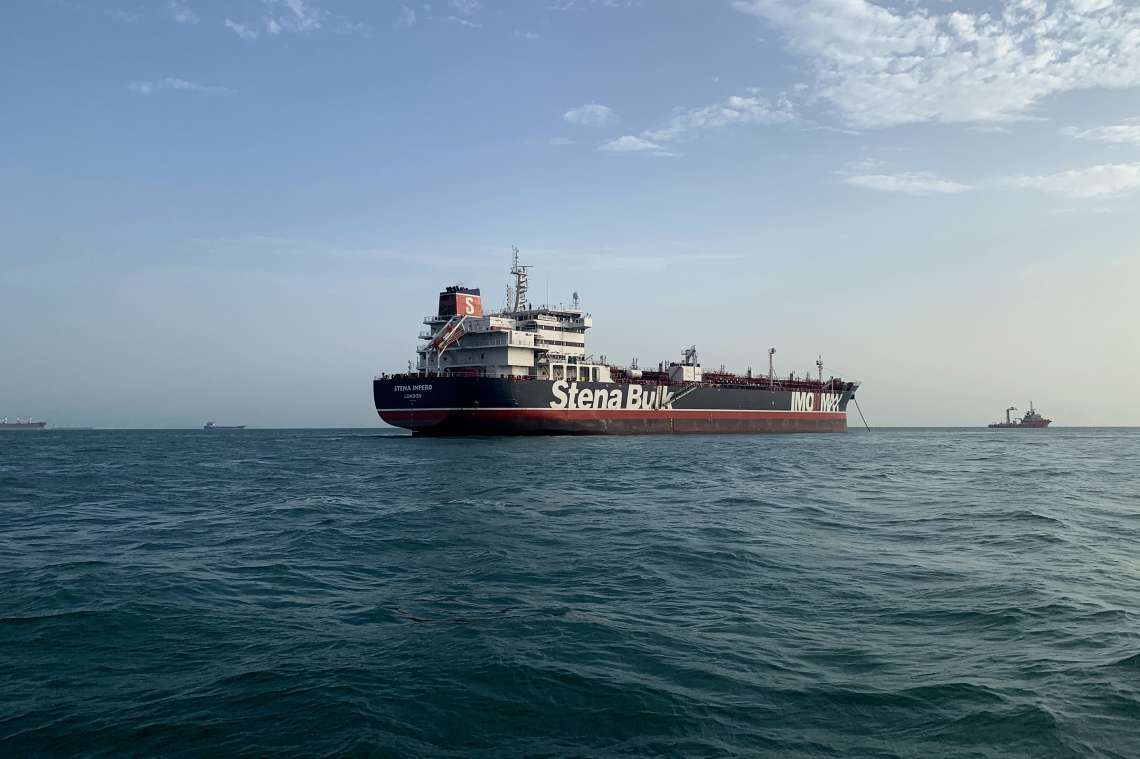
Vance also outlined a broader vision for regional security that extends beyond the agreement itself. A central element of that vision involves establishing a long term framework to secure the Strait of Hormuz, one of the world’s most critical maritime trade routes and a vital artery for global energy supplies.
He said the memorandum of understanding associated with the agreement envisages future discussions involving Iran, Oman and members of the Gulf Cooperation Council (GCC) to develop mechanisms aimed at preventing future disruptions to shipping and commerce through the strategic waterway.
“The MOU contemplates that the Omanis, the Iranians and the Gulf Coast coalition together will figure out a proper security framework for the Straits in the future,” Vance said.
The administration believes such an arrangement would help ensure that the Strait of Hormuz can never again be used as leverage against the international economy or become a flashpoint for regional conflict.
According to Vance, the proposal reflects a shared interest among all stakeholders in maintaining stability and protecting the uninterrupted flow of trade and energy resources.
Beyond security considerations, the vice president suggested the agreement could eventually open the door to greater economic cooperation between Iran and its Arab neighbours if Tehran demonstrates sustained compliance and moderation.
“There is a great desire from the Arab world and from outside the Arab world to actually get involved in Iran if they behave properly,” he said.
Vance cited the possibility of future investment projects involving Gulf countries, including the United Arab Emirates, should sanctions restrictions eventually be eased as part of a broader normalisation process.
He argued that increased economic integration would not represent a concession to Iran but rather a mechanism for encouraging responsible behaviour. Greater commercial ties, he said, would provide neighbouring states with additional influence and create incentives for Tehran to avoid actions that could threaten regional stability.
“The good thing about that is that it actually creates integration, which is leverage,” Vance said.
“A world where the Gulf Coast coalition has greater leverage in the Iranian economy is a world where the Iranians are going to be heavily prevented from misbehaving.”
Throughout the briefing, Vance repeatedly highlighted support from Gulf partners as evidence that the agreement aligns with regional interests. He argued that countries closest to Iran and most exposed to the consequences of instability are among the strongest supporters of the initiative.
“The Gulf Coast coalition loves this deal because they think that it makes Iran weaker,” he said.
The Gulf states have long expressed concerns about Iran’s regional activities, including its backing of armed groups across the Middle East. Vance said their endorsement of the agreement reflected a belief that it offers a pathway to both enhanced security and greater regional stability while maintaining pressure on Tehran to change its behaviour.