From defence and semiconductors to green hydrogen and trade, India and the Netherlands unveiled a sweeping strategic partnership…reports Asian Lite News
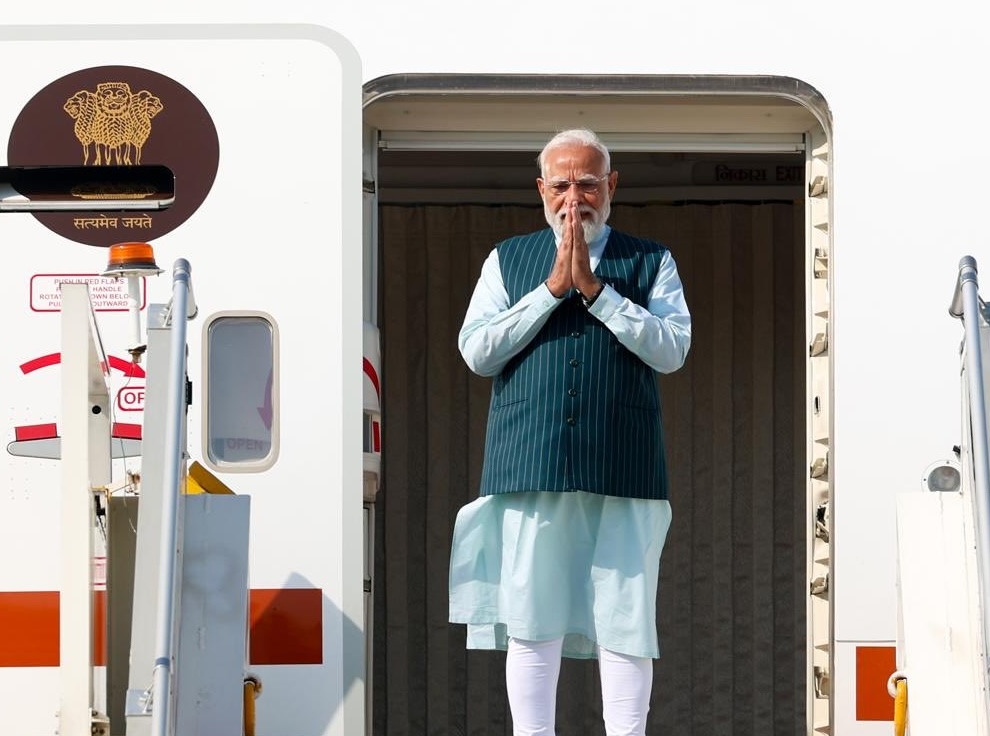
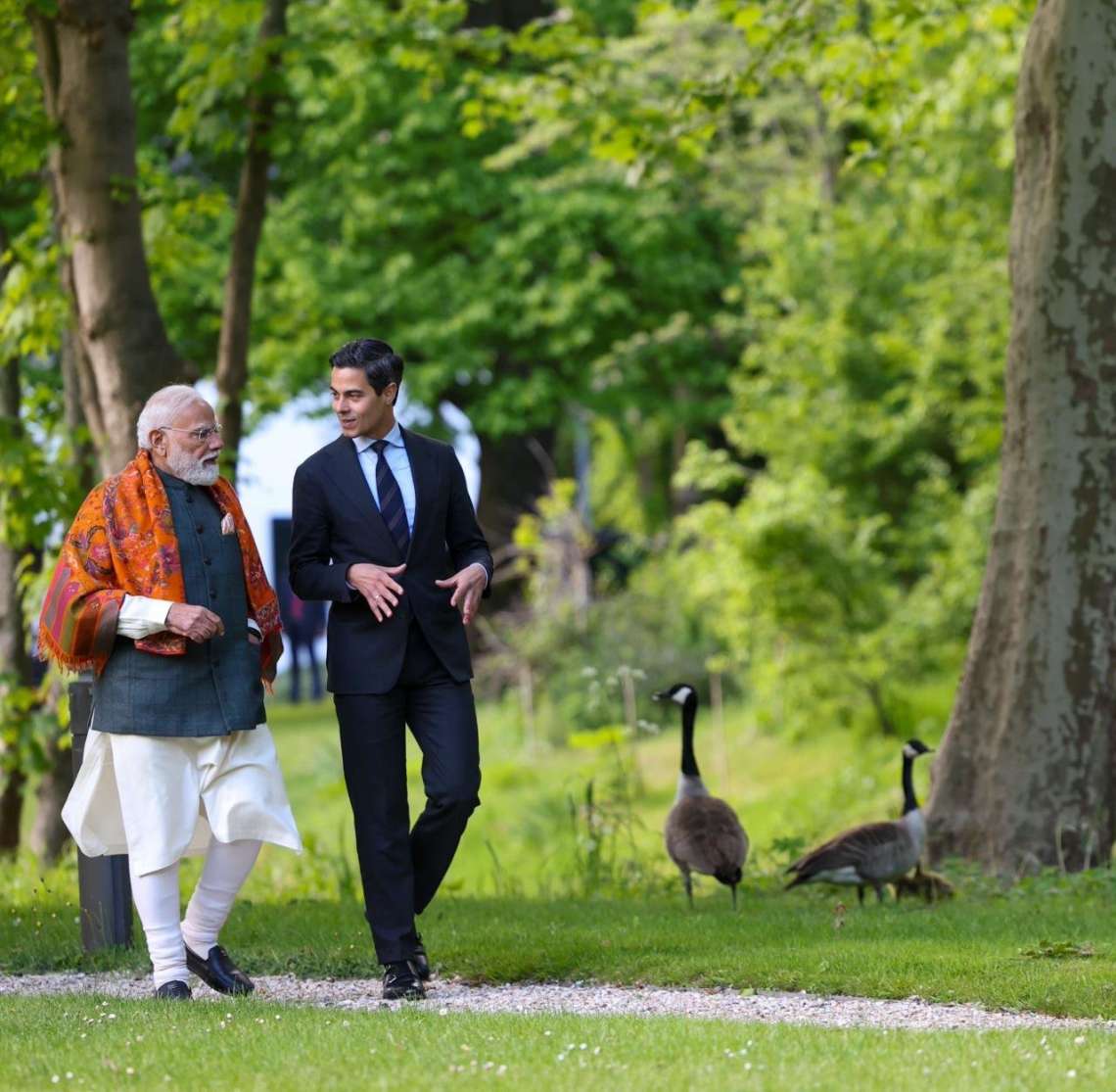
Narendra Modi concluded his two day official visit to the Netherlands on Saturday after holding extensive talks with Dutch Prime Minister Rob Jetten aimed at deepening cooperation across trade, defence, technology, energy and global security.
The visit marked Modi’s second trip to the Netherlands and came at the invitation of Jetten. During the visit, both countries agreed to elevate bilateral ties to the level of a “Strategic Partnership”, reflecting what the two leaders described as growing strategic convergence and expanding cooperation between the two nations.
On May 16, Modi was hosted by King Willem-Alexander and Queen Máxima at the Royal Palace Huis ten Bosch in The Hague for a bilateral meeting and luncheon in his honour.

Later in the day, Modi and Jetten held restricted and delegation level talks followed by a dinner meeting. The leaders reviewed the longstanding trade links, strong people to people ties and the broad based partnership between India and the Netherlands.
The two Prime Ministers welcomed progress made in recent years through high level political engagement and collaboration during India’s G20 Presidency in 2023 and the AI Impact Summit held in New Delhi in February 2026.
As part of the newly announced Strategic Partnership, the two countries adopted a roadmap covering cooperation in political engagement, trade and investment, defence and security, cyber security, semiconductors, artificial intelligence, space, innovation, sustainability, healthcare, agriculture, water management, climate action, maritime development, education and cultural ties.
The two sides also agreed to explore cooperation in policy planning and welcomed a series of agreements signed in December 2025 in areas including defence, semiconductors, digital technologies, pharmaceuticals and maritime heritage.

Both leaders reaffirmed their support for democracy, international peace and a rules based global order in line with the United Nations Charter. They also backed reforms to the UN Security Council, including expansion in both permanent and non permanent categories, and the Netherlands reiterated support for India’s bid for permanent membership of a reformed council.
Modi and Jetten welcomed the conclusion of negotiations for the India European Union Free Trade Agreement earlier this year, describing it as a major step towards strengthening political and economic ties between India and Europe amid global geopolitical tensions.

The two leaders also welcomed the signing of the India EU Security and Defence Partnership, which is expected to enhance cooperation in maritime security, cyber security, counter terrorism and defence industry collaboration.
On regional and global issues, both sides stressed the importance of a free, open and peaceful Indo Pacific region based on international law and freedom of navigation. In a significant move, the Netherlands announced its decision to join the Indo Pacific Oceans Initiative and co lead its Capacity Building and Resource Sharing pillar alongside Germany and the European Union.
The two leaders also discussed the conflicts in Ukraine and West Asia. They expressed concern over the humanitarian impact of the Ukraine war and supported efforts towards a lasting peace through dialogue and diplomacy. On West Asia, both sides welcomed the ceasefire announced in April 2026 and stressed the importance of de escalation and uninterrupted global trade routes, particularly through the Strait of Hormuz.

Economic cooperation featured prominently during the talks, with both leaders describing the India Netherlands economic partnership as a model of cooperation driven by sustainability, innovation and long term growth. The Netherlands continues to serve as a major gateway to Europe for Indian exporters through the Port of Rotterdam, while India remains an increasingly important market for Dutch businesses.
To strengthen trade facilitation, the two countries signed an agreement on mutual administrative assistance in customs matters aimed at improving information sharing and customs enforcement.
Both Prime Ministers also emphasised the potential for greater collaboration in startups, innovation and emerging technologies, including semiconductors and critical minerals. Several agreements were signed in areas such as higher education, healthcare, renewable energy, cyberspace cooperation and migration and mobility.


The leaders additionally discussed expanding cooperation in green hydrogen, circular economy initiatives, sustainable transport, water management, maritime development and agriculture. They also highlighted ongoing cultural and educational partnerships between institutions in both countries.
On defence and security, the two sides welcomed a Letter of Intent on Defence Cooperation and agreed to deepen military engagement through regular exchanges, research, innovation and defence industrial cooperation. They also reaffirmed a zero tolerance approach towards terrorism and called for stronger international action against terrorist groups and their financiers.
Prime Minister Jetten strongly condemned the terrorist attack in Pahalgam in Jammu and Kashmir in April 2025 and expressed solidarity with India in its fight against terrorism, including cross border terrorism.
At the end of the visit, Modi thanked Jetten for the warm hospitality extended to him and invited the Dutch Prime Minister to visit India at the earliest opportunity.