Lavrov backs India’s 2026 BRICS chairmanship, calls bloc key to multipolar world order as New Delhi hosts first Sherpas’ meet on resilience, innovation and sovereignty….reports Asian Lite News
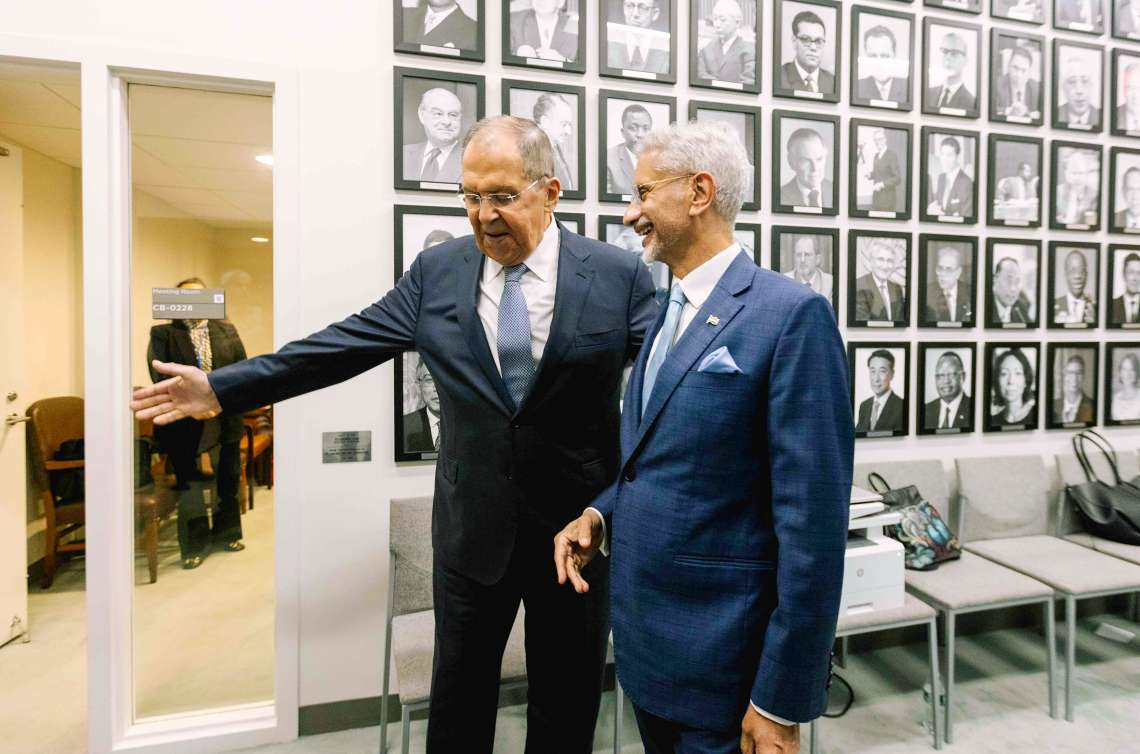
Russia’s Foreign Minister Sergey Lavrov has described BRICS as a central pillar in the construction of a broader Eurasian partnership, arguing that the grouping has become increasingly influential in shaping a multipolar global order as India prepares to assume the chairmanship in 2026.
In an interview with TV BRICS, Lavrov outlined Moscow’s assessment of the bloc’s evolving role in global affairs, placing it within the framework of Russia’s updated Foreign Policy Concept adopted in March 2023. That document, he noted, reflects what Moscow views as deep and irreversible shifts in the global balance of power.
Lavrov said the strategic direction of Russia’s foreign policy is determined by President Vladimir Putin under the Constitution, but emphasised that the practical implementation of those priorities relies on sustained engagement with partner nations. He pointed to concrete agreements reached at the highest political levels to expand trade and investment, strengthen scientific and technological cooperation, and coordinate positions in multilateral institutions such as the United Nations.
Particular importance, he said, is attached to regional mechanisms including the Commonwealth of Independent States, the Eurasian Economic Union and the Collective Security Treaty Organisation, as well as broader cooperation across the post-Soviet space. These frameworks, in Moscow’s view, are designed to deliver long-term, mutually beneficial outcomes and to reinforce what Russia describes as sovereign development pathways.
Against this backdrop, Lavrov argued that BRICS has emerged as a crucial platform in an era defined by the erosion of Western-centric dominance. He described the world as undergoing a decisive transition from the bipolarity of the Cold War and the subsequent period of unipolarity to a more dispersed system with multiple centres of influence.
Countries such as China, India and Brazil are playing increasingly prominent roles, he said, while African nations are seeking greater control over their resources and industrial trajectories. This shift, he suggested, is reshaping global finance, trade flows and geopolitical alignments amid intensifying competition.
Lavrov also criticised what he characterised as Western attempts to preserve their primacy through restrictive measures. Referring to policies during the administration of US President Donald Trump, he cited sanctions on Russian energy firms and efforts to curb Moscow’s defence and trade partnerships with countries including India and other BRICS members. Such actions, he implied, have reinforced the case for deeper coordination among non-Western economies.
Looking ahead to India’s chairmanship in 2026, Lavrov welcomed New Delhi’s proposed priorities, particularly its focus on food and energy security and on strengthening digital and information and communications technology safeguards. He underscored the importance of establishing international norms governing artificial intelligence, especially in military and security contexts, while cautioning that BRICS nations would resist any framework that infringes on their sovereignty.
He expressed confidence that India’s leadership would provide a “forward-looking and practical” agenda, adding that Russia stands ready to fully support the initiatives planned under New Delhi’s stewardship.
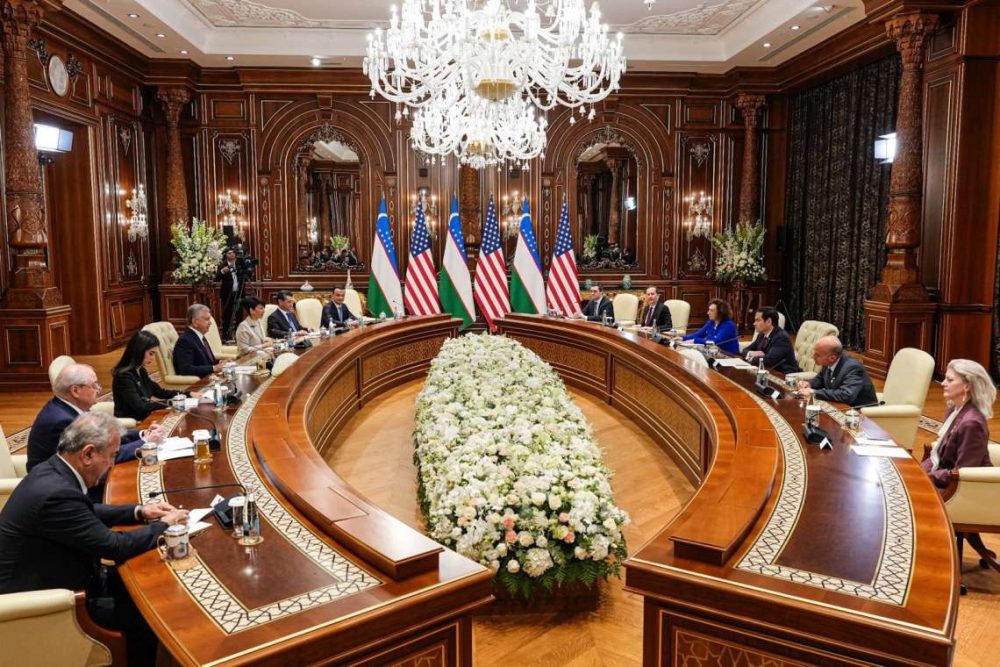
The emphasis on India’s role was underscored in New Delhi this week, where the first meeting of BRICS Sherpas and Sous Sherpas under India’s 2026 chairship was held from February 9 to 10. The meeting was chaired by Secretary (Economic Relations) Sudhakar Dalela, India’s BRICS Sherpa, with Joint Secretary Shambhu L Hakki serving as Sous Sherpa.
Senior officials from Brazil, China, Egypt, Ethiopia, Indonesia, Iran, Russia, Saudi Arabia, South Africa and the United Arab Emirates took part in the deliberations. The delegates jointly called on External Affairs Minister S Jaishankar, signalling the political weight attached to the preparatory process.
India presented its overarching theme for the year, “Building for Resilience, Innovation, Cooperation and Sustainability”, and outlined proposed initiatives across a wide spectrum of sectors. These included health, agriculture, labour and employment, disaster risk reduction, climate action, energy cooperation, innovation, ICT, security and counter-terrorism, as well as economic and financial coordination.
In keeping with what officials described as a people-centric approach, India also proposed enhanced collaboration in sports, youth exchanges, cultural programmes, the BRICS Academic Forum, the Think Tank Council, the Civil Forum, the Business Council and the Women’s Business Alliance. Member states and partner countries welcomed the priorities and shared their perspectives on advancing institutional development within the expanded grouping.
The meeting in New Delhi illustrated how BRICS has broadened beyond its original economic mandate into a multidimensional platform addressing development, governance and global rule-making. For Russia, the grouping offers a vehicle to anchor its Eurasian ambitions within a wider coalition. For India, the forthcoming chairmanship presents an opportunity to shape debates on resilience and innovation at a time of geopolitical flux.