Prime Minister Narendra Modi has placed manufacturing, agriculture, technology, infrastructure, defence, sustainable growth and soft power at the heart of India’s next phase of development…reports Asian Lite News Desk
Prime Minister Narendra Modi has outlined a seven-part agenda for India’s economic and strategic development, placing manufacturing, agriculture, technology, infrastructure, defence, sustainable growth and soft power at the centre of his Independence Day message.
Addressing the nation from the Red Fort on Saturday, Modi described the programme as “Sapt Shakti”, or Seven Streams of Strength. The seven areas are manufacturing, agriculture and food processing, technology and innovation, Gati Shakti, defence, the green and blue economy, and India’s soft power.
He said growth should extend beyond government-led initiatives and called on Indian businesses to compete at the highest level internationally.
“India’s ambition must go beyond government-led growth. With talent, capability and a rich legacy, India can aspire to greater global leadership. In the coming decade, 50 Indian companies should feature in the Fortune 500, while Indian banks, pharma firms, technology companies, consulting firms and brands should earn leading positions globally,” Modi said.

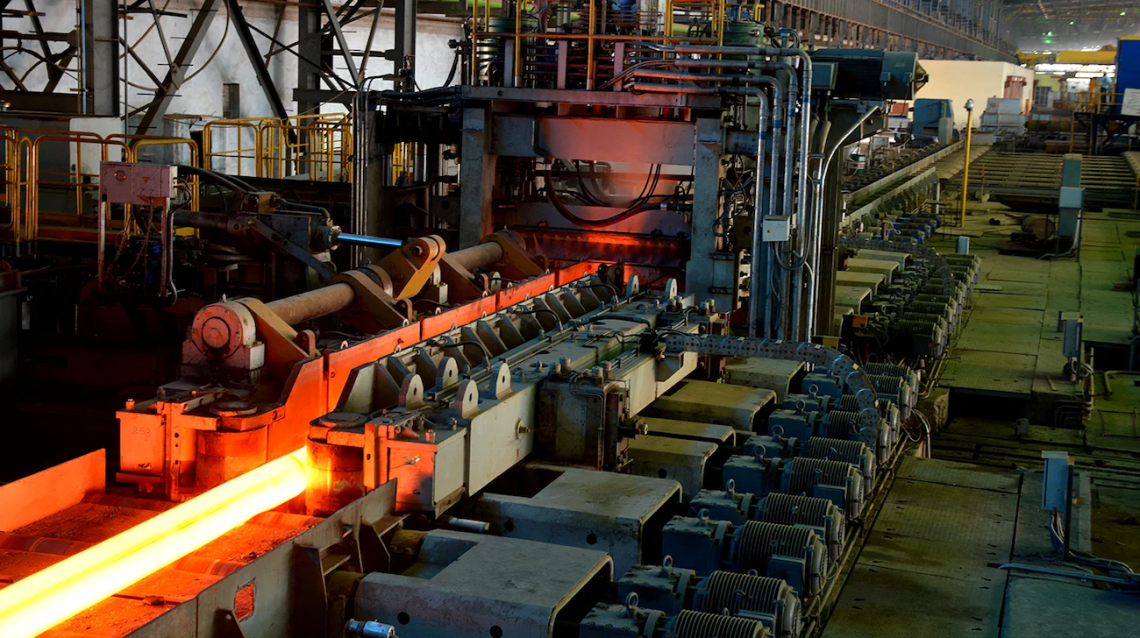
On manufacturing, Modi called for complete domestic value chains covering design, components and production. He urged industry to focus on quality, competitive costs, and global scale, arguing that reliable Indian products would strengthen consumer confidence at home and overseas.
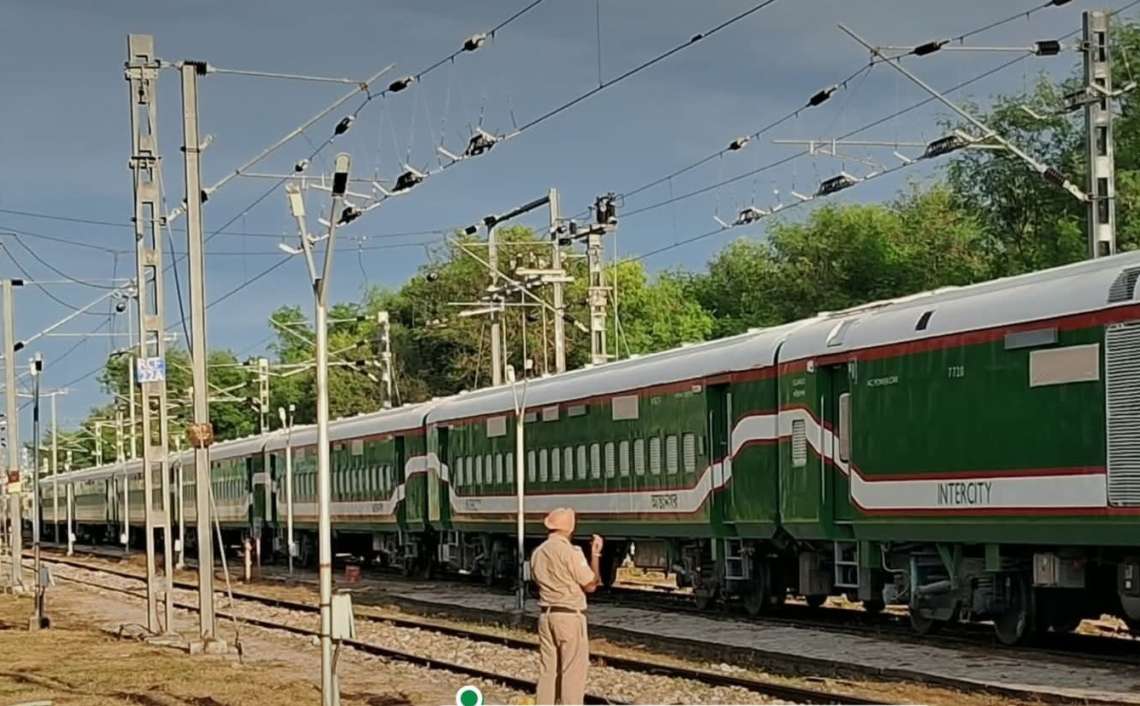
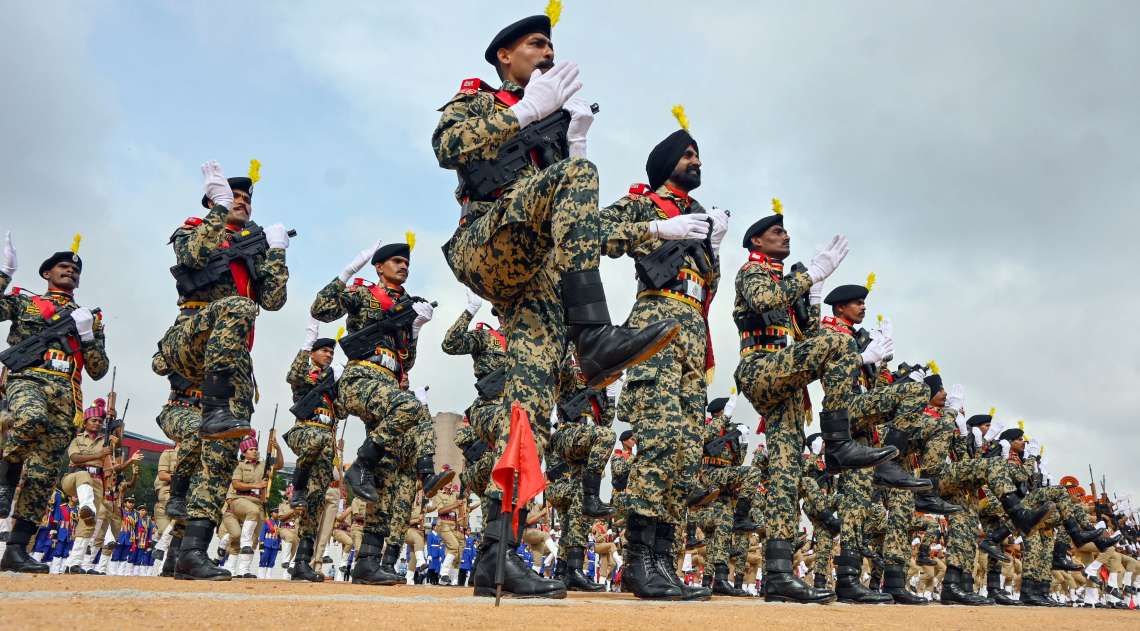
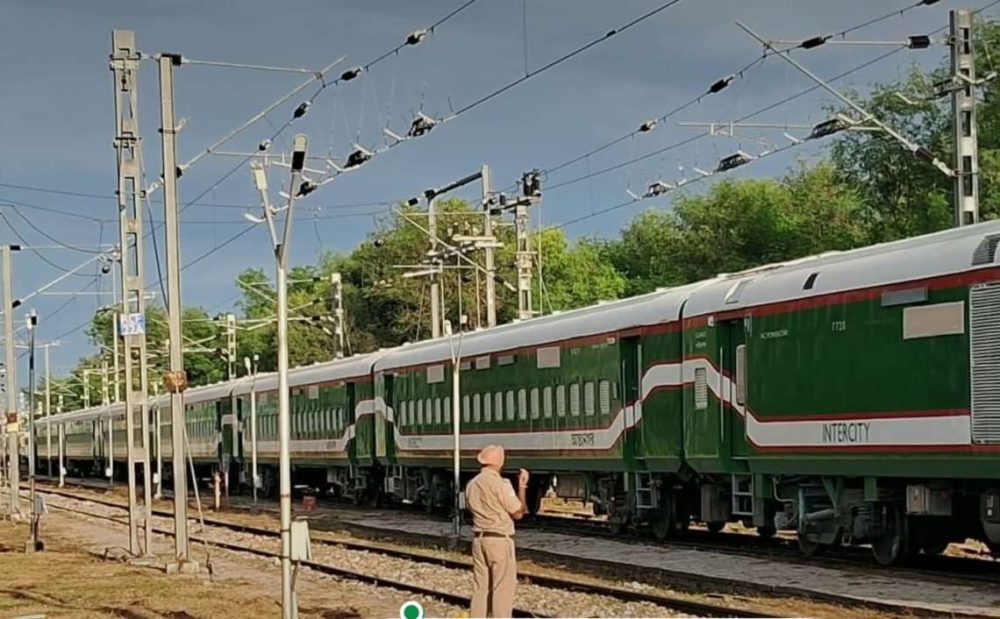
“In the last 12 years, defence production has increased nearly fourfold, while output from Khadi and village industries has grown almost fivefold. Electronics manufacturing has expanded nearly sevenfold. The production of modern railway coaches has risen 21-fold, and mobile phone production has surged 33-fold,” Modi said.
Agriculture and food processing formed the second part of the plan. Modi called for integrated farm-to-export supply chains for millets, spices and fruits, alongside a transition towards chemical-free farming.
He also said that preparations made over the past decade had helped India manage supply chain disruptions linked to the conflict in West Asia. He cited the continued availability of gas, petrol and urea, and said the government was absorbing the impact of high international urea prices rather than passing the full cost to consumers.
On technology and innovation, Modi said India should seek to develop from a major technology market into a global innovation centre. He identified artificial intelligence, quantum technology, space, robotics, digital public infrastructure and Made-in-India 6G as priority areas.
“This is the era of robotics, AI, quantum technology, space and data centres. Emerging technologies are presenting new challenges, and we must become a global hub of innovation,” Modi said.
He announced free online coaching for young people preparing for examinations and a plan to train one crore young people in artificial intelligence over the next year. Modi also pointed to India’s experience with UPI and digital public infrastructure as a foundation for further advances in communications technology.