PM Modi’s maroon Rajasthani pagdi captures national attention on Republic Day, blending tradition, symbolism and craftsmanship into a striking tribute to heritage, valour and modern leadership….reports Asian Lite News
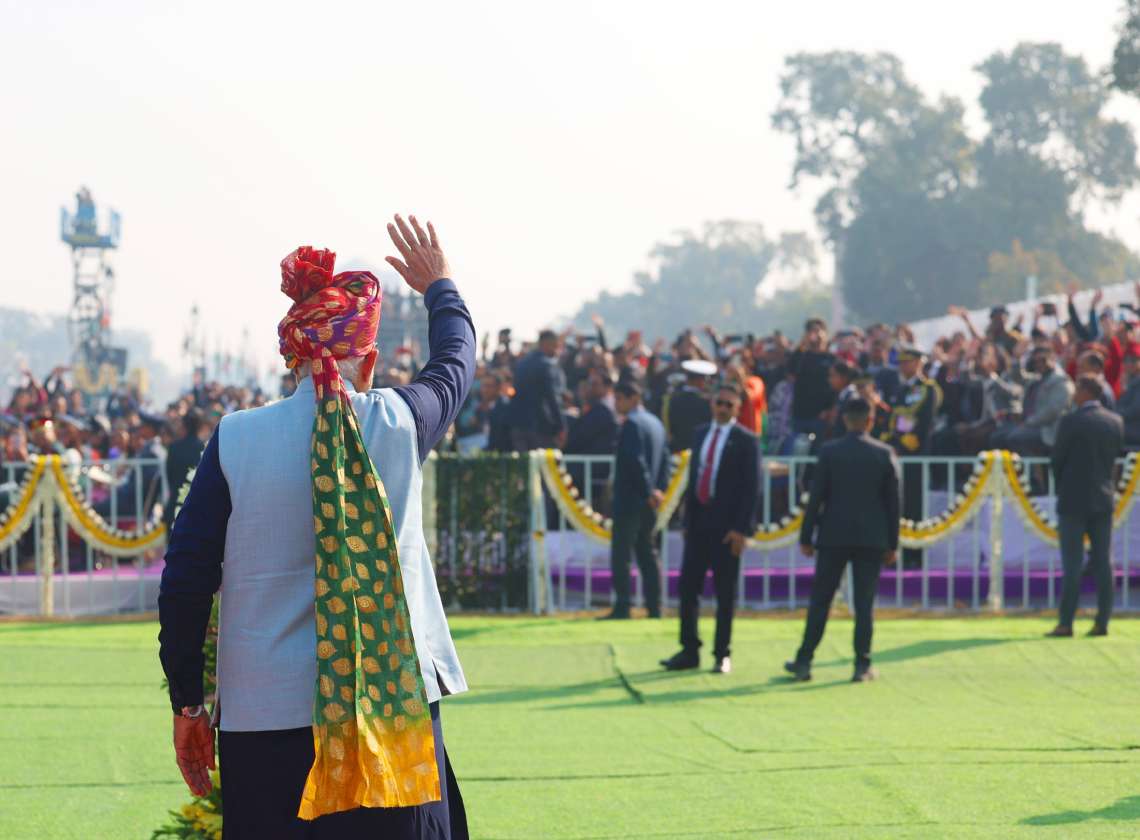
Prime Minister Narendra Modi’s choice of attire once again became a focal point of public attention during India’s 77th Republic Day celebrations, with his maroon Rajasthani-style pagdi emerging as one of the most discussed visual highlights of the day. As the Prime Minister paid tribute to fallen soldiers at the National War Memorial before attending the main ceremonial events, his headgear drew widespread admiration for its craftsmanship, symbolism and cultural resonance.
The deep maroon safa, worn during the early morning homage, featured intricate golden zari work, mustard-yellow accents and subtle bandhej patterns, elements strongly associated with Rajasthan’s textile heritage and traditional artistry. The design was widely interpreted as a nod to India’s rich cultural diversity and to the enduring legacy of craftsmanship passed down through generations of artisans.
Observers noted that the colour choice was particularly significant. Maroon, often linked with courage, sacrifice and valour, echoed the solemnity of the moment as the Prime Minister honoured the nation’s fallen heroes. The golden motifs, including peacock-feather-inspired patterns, added a regal touch, blending dignity with understated elegance. The yellow highlights brought warmth and vibrancy, creating a striking visual contrast that resonated with the patriotic mood of the occasion.
The pagdi was paired with a light blue bandhgala jacket, a navy-blue kurta and white trousers, a combination that balanced tradition with contemporary styling. Together, the ensemble reflected the Prime Minister’s long-standing practice of using clothing to convey cultural and symbolic messages during national events, particularly on Republic Day.

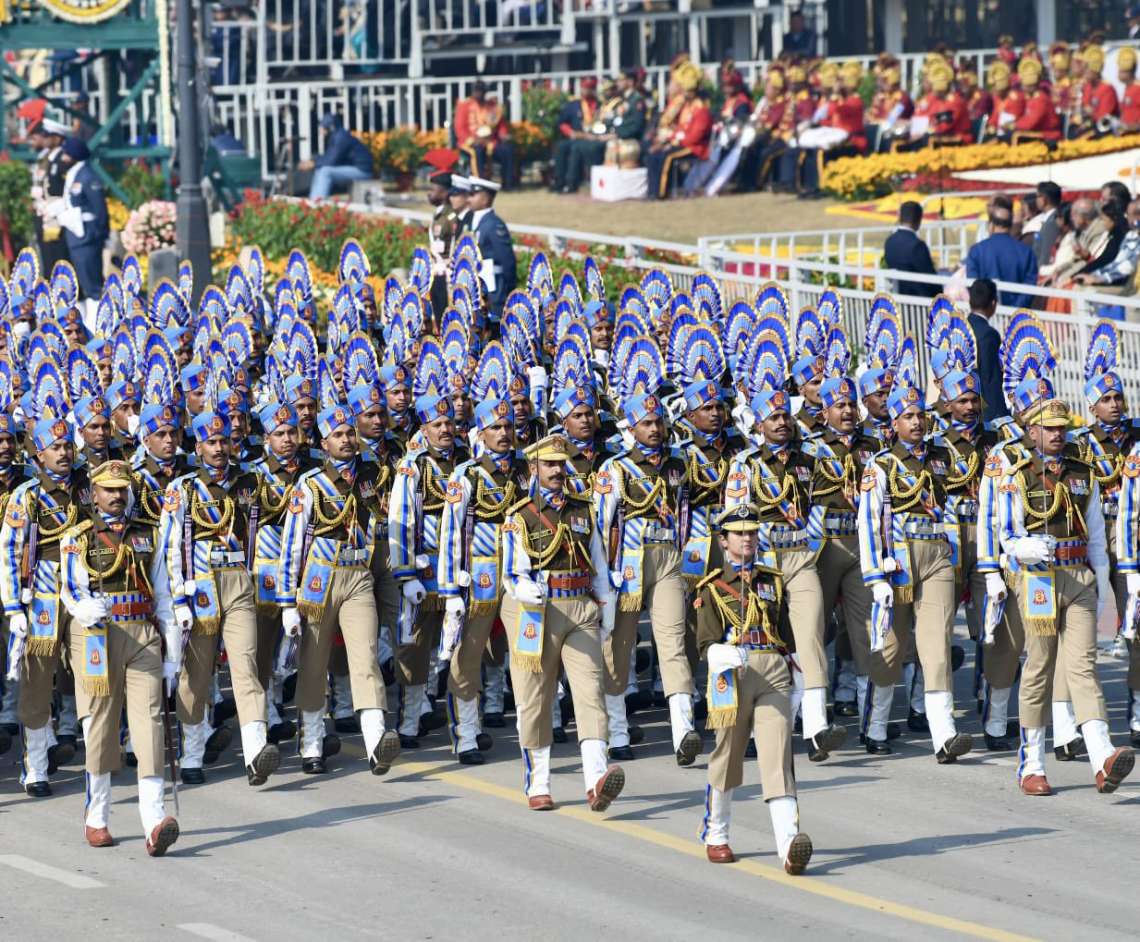
As images from the ceremony spread across television screens and social media platforms, the turban quickly became a trending topic. Many users praised the colour palette and fine detailing, while others highlighted how the headgear represented the diversity of India’s regional traditions on a national stage. News outlets described the pagdi as “stealing the spotlight,” noting how it stood out amid the grandeur of the military parade and ceremonial proceedings at Kartavya Path.
Fashion commentators also weighed in, pointing to the classic Rajasthani tying style and the precision of the drape. They said the look reflected both cultural pride and attention to detail, reinforcing how traditional attire can carry meaning beyond aesthetics when worn during moments of national significance.
The maroon pagdi added to a long list of memorable Republic Day looks by PM Modi, who has previously worn turbans and safas inspired by different states and regions of India. From bright red Bandhani patterns to multicoloured regional styles, his headgear choices over the years have become a visual chronicle of India’s textile traditions, often sparking renewed interest in indigenous crafts.
Beyond fashion, many saw this year’s pagdi as a subtle tribute to Rajasthan’s warrior heritage and to the values of bravery and self-reliance. With Republic Day celebrations centred on themes of national pride, unity and the strength of Indian democracy, the turban came to symbolise the blend of heritage and modern leadership that the occasion seeks to project.
As the Republic Day ceremonies concluded, the maroon pagdi remained one of the most widely shared images of the day, demonstrating once again how a simple element of attire can become a powerful emblem of identity, tradition and respect.