October 9, 2026
3 mins read

Musk Calls Ambani ‘Prime Minister’ in Fresh Starlink India Row

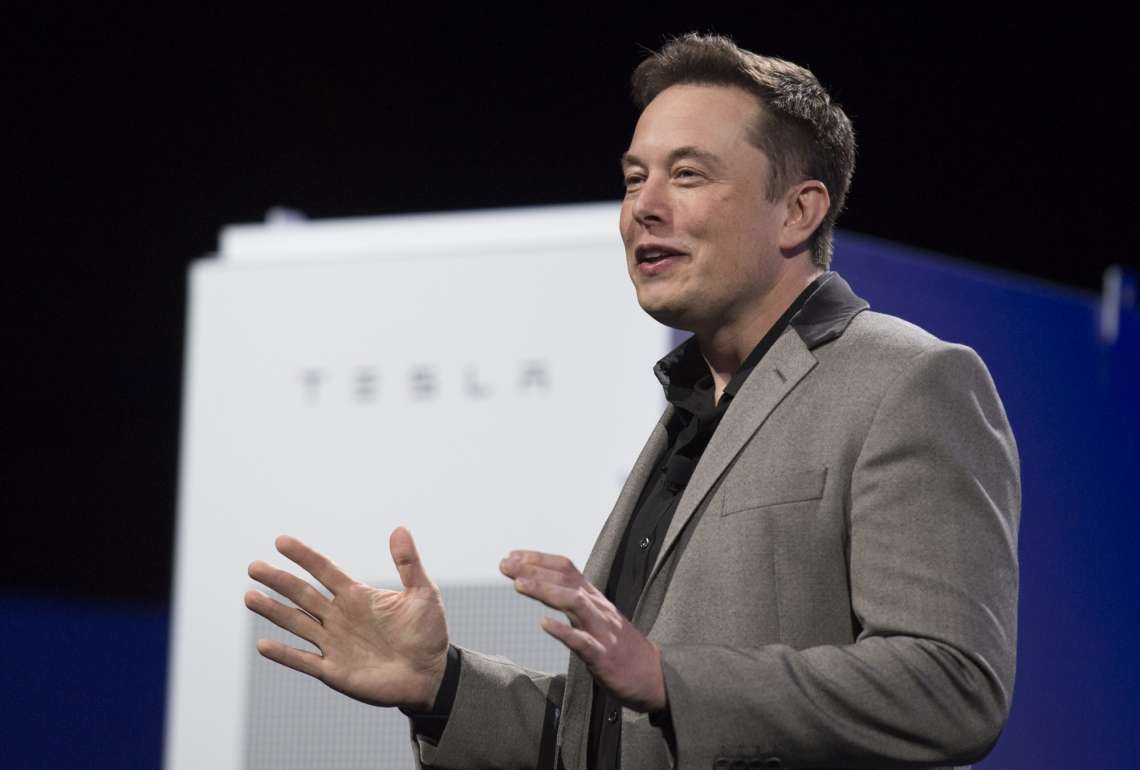
Elon Musk has accused Mukesh Ambani of protecting a telecom monopoly as Starlink awaits security clearances and regulatory approvals to launch satellite internet services in India…reports Asian Lite News Desk

Elon Musk has escalated his public dispute with Indian billionaire Mukesh Ambani over the delayed launch of Starlink’s satellite internet services in India, sarcastically addressing the Reliance Industries chairman as “Prime Minister Ambani” and accusing him of seeking to protect a monopoly.

In a post on X on Friday, the SpaceX and Tesla chief mocked Ambani’s alleged influence over India’s telecom sector and urged him to allow Starlink to compete in the country.

“Dear Prime Minister Ambani, Please accept my humble apologies for not realizing that you are the real boss of India,” Musk wrote.

He alleged that Ambani would prefer to maintain a monopoly and asked whether he would nevertheless consider allowing Starlink to enter the market.

Musk argued that the satellite internet service could help connect underserved parts of India, giving children greater access to education and small businesses opportunities to reach global markets.

He also said Starlink had helped save lives during natural disasters when other communication systems failed, arguing that its services could provide similar benefits in India.

The latest remarks came after Musk questioned why Starlink was still awaiting final regulatory approvals despite spending years complying with Indian laws and requirements.

India rejects Musk’s monopoly allegations

The Indian government has rejected Musk’s suggestion that powerful business interests are blocking Starlink’s entry to protect existing telecom operators.

The Ministry of Communications said on Thursday that India’s regulatory framework for satellite communication services was fair and non-discriminatory, describing claims of unfair treatment as “baseless and misconceived”.

Communications Minister Jyotiraditya Scindia reiterated the government’s position on Friday, saying India did not permit monopolies in any sector and that all companies had to comply with the same regulatory requirements.

Scindia said three licensed satellite communication operators, including Starlink, were at the same stage of the security clearance process. Companies must complete the necessary assessments before proceeding to spectrum allocation and commercial operations.

Starlink has obtained a licence to provide satellite communication services in India, but it has yet to secure all the approvals required to begin commercial operations.

Ambani and Mittal in satellite internet race

The dispute comes as Starlink seeks to enter a market where Reliance Jio, owned by Ambani, and Bharti Airtel, led by Sunil Bharti Mittal, are major players in telecommunications.

Both groups are also pursuing satellite internet opportunities. Jio is developing its own satellite communications business, while Airtel has partnered with Eutelsat OneWeb, another licensed satellite operator.

Musk initially accused unnamed “oligarchs” of obstructing Starlink’s entry to India to preserve their market dominance, without providing evidence for the allegation. He subsequently singled out Ambani by questioning whether the billionaire was the “real boss of India”.

The controversy has also drawn political attention. Congress leader Rahul Gandhi responded to Musk’s earlier remarks by saying, “Welcome to India, Elon. Wait till you discover the other guy,” adding to the debate over the influence of powerful business interests.

Starlink’s entry could expand internet access in remote and underserved areas where conventional broadband infrastructure is difficult or expensive to establish. However, its commercial launch remains dependent on completing India’s regulatory and security requirements.
Newsdesk

Newsdesk

Aravind Rajeev is Deputy News Editor at Asian Lite, mostly covering the Middle East and GCC. He has over eight years of experience as a journalist, with a background in ground-level reporting, crime reporting, as well as international and regional news.

Previous Story

India and Liberia Condemn Shipping Attacks

Next Story

Narendra Modi at 25 Years: A Reflection on Leadership, Democracy and Public Trust

Previous Story

India and Liberia Condemn Shipping Attacks

Next Story

Narendra Modi at 25 Years: A Reflection on Leadership, Democracy and Public Trust

Latest from -Top News

Pakistan Risks Overstretching Itself in Yemen War

Pakistan’s expanding military role in Saudi Arabia amid the Yemen conflict could strain its defence resources and fragile finances…reports Asian Lite News Desk Pakistan’s military involvement in the war in Yemen may prove unsustainable because of mounting financial pressures and competing security demands, according to a new report. Islamabad’s growing military presence in Saudi Arabia risks stretching its defence resources while exposing the country to greater strategic and economic challenges. An article by Andrew Wilson in One World Outlook describes Pakistan’s involvement as a case of “fiscal and strategic overreach”, arguing that the country lacks the financial flexibility to sustain an expanded military commitment. Pakistan’s external finances depend heavily on an International Monetary Fund (IMF) programme, financial support from Gulf countries and remittances from Pakistani workers in the region. The report argues that deeper military involvement in the conflict could place additional pressure on these sources of financial stability. It also warns that deploying troops and military equipment abroad could weaken Pakistan’s capacity to address security challenges along its eastern border and deal with two domestic insurgencies. The move could also draw Islamabad into a conflict it has sought to approach cautiously. A Reuters report in May, citing Pakistani security and government sources, said Islamabad had deployed around 8,000 troops, a squadron of approximately 16 aircraft, mostly JF-17 fighter jets, two drone squadrons and a Chinese HQ-9 air-defence battery to Saudi Arabia. According to those sources, Riyadh was financing the deployment, with Pakistani personnel operating the equipment. The sources also said a confidential agreement contemplated the possibility of deploying up to 80,000 troops. Islamabad has not confirmed those figures, although it has acknowledged its military presence in Saudi Arabia, including the deployment of fighter jets at King Abdulaziz Air Base from April. The One World Outlook article argues that Saudi financial support can cover allowances and operating expenses but cannot easily replace military equipment needed elsewhere or resolve the political and strategic challenges of participating in the Yemen conflict. Pakistan’s defence budget is another concern. For the 2026-27 financial year, the federal government allocated PKR 3 trillion, or approximately $10.8 billion, to defence services. The allocation represents an 18 per cent increase from the original PKR 2.55 trillion provision and amounts to around 2.1 per cent of projected gross domestic product (GDP). Defence spending accounts for approximately 16 per cent of the federal government’s PKR 18.8 trillion expenditure. Military pensions are budgeted separately at PKR 822 billion, while debt servicing costs stand at approximately PKR 8 trillion, more than two-and-a-half times the defence allocation. The report argues that these competing financial obligations leave little room for additional military expenditure without placing further pressure on public finances. Pakistan’s reliance on IMF assistance also limits its fiscal flexibility. The country must meet the conditions attached to the programme, including a primary budget surplus target of 2 per cent of GDP and continued restraint on development spending. According to the article, these requirements make it difficult for Islamabad to finance an additional military commitment without compromising other budgetary priorities. Pakistan’s economic indicators offer limited reassurance. Economic growth for the 2025-26 financial year is estimated at between 3.6 and 3.7 per cent, while inflation reached approximately 10.3 per cent in September following an energy price shock. Foreign exchange reserves stood at around $21.5 billion at the end of September. Although this marks an improvement from the low levels recorded in 2023, the report notes that the reserves cover only a few months of imports. Financial assistance from Gulf partners remains central to Pakistan’s external stability. The article says Islamabad holds approximately $8 billion in Saudi deposits at its central bank. In July, the State Bank of Pakistan said Riyadh had extended the maturity of $5 billion in deposits to December 2028, easing the country’s immediate external financing requirements. A further $3 billion deposit was also extended in the spring. However, the article argues that these arrangements provide temporary relief rather than long-term financial independence, particularly as regional conflict threatens the stability of the Gulf economies on which Pakistan relies. The report concludes that Pakistan faces a difficult balance between supporting Saudi Arabia militarily and preserving the financial and military resources needed to address its domestic and regional challenges.

UK and Germany Ratify Kensington Treaty

Britain and Germany ratify the Kensington Treaty, agreeing new cooperation on AI, quantum research, defence and security while targeting investment, jobs and Russian hybrid threats…reports Asian Lite News Desk Britain and Germany
Go toTop

Don't Miss

xAI, Musk’s Startup, Eyes $1B Funding

This marks the first publicly known fundraising round for Musk’s

Elon Musk Unveils Live video feature for X

Musk tested a live option and shared a hilarious video