A group of UN member states has urged the Taliban to restore the rights of Afghan women and girls and reverse discriminatory policies….reports Asian Lite News Desk
A broad cross-regional group of United Nations member states has called on the Taliban to reverse discriminatory policies against women and girls and restore their fundamental rights, warning that Afghanistan continues to face serious humanitarian, human rights, economic and security challenges five years after the Taliban takeover.
The countries said Afghanistan’s crisis was placing immense pressure on its people while creating risks for the stability and security of neighbouring countries and the wider region.
The statement was delivered on behalf of Albania, Andorra, Armenia, Australia, Austria, Belgium, Bosnia and Herzegovina, Bulgaria, Colombia, Canada, Cape Verde, Croatia, Cyprus, Czechia, Denmark, Estonia, Finland, France, Germany, Greece, Guatemala, Hungary, Iceland, Ireland, Israel, Italy, Japan, Latvia, Lebanon, Liberia, Lithuania, Luxembourg, Malta, Mexico, Moldova, Montenegro, Myanmar, the Netherlands, New Zealand, North Macedonia, Norway, Panama, Poland, Portugal, the Republic of Korea, Romania, San Marino, Slovakia, Slovenia, Spain, Sweden, Switzerland, Ukraine, the United Arab Emirates, the United Kingdom, the United States, Uruguay and the European Union.
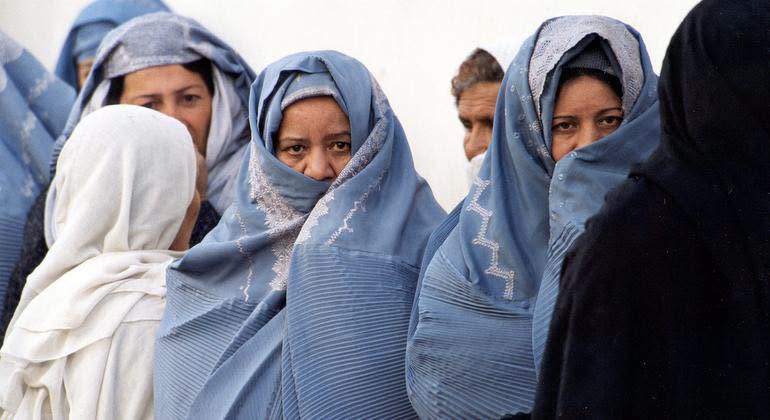
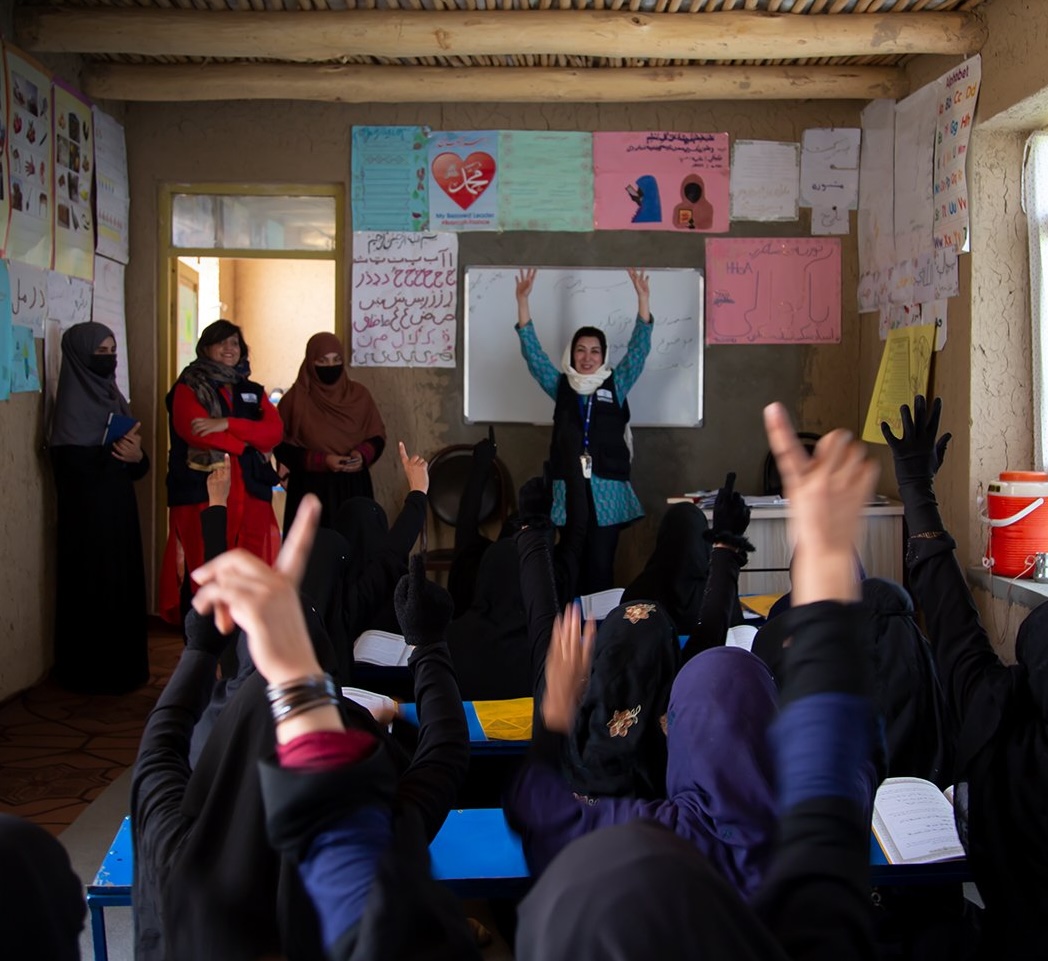
The group said the Taliban’s systematic repression of women and girls had become a defining feature of the current system. It highlighted Afghanistan’s continued ban on girls attending secondary and higher education, describing the restrictions as a grave violation of the right to education with wider consequences for the country’s economic development and essential public services.

The statement also criticised what it described as an expanding network of discriminatory decrees that further restrict women’s rights and weaken their legal protections. The countries urged the Taliban to reverse all such policies and ensure the full, equal, meaningful and safe participation of women in Afghan society.
The signatories also raised concerns over the lack of inclusive governance, saying it continued to undermine prospects for lasting peace and stability. They stressed that humanitarian needs remained acute, while human rights abuses persisted and terrorist groups continued to pose threats to Afghanistan, the region and international security.
They reaffirmed that terrorism in all its forms and manifestations remained among the most serious threats to peace and security. The countries also reiterated that Afghan territory must not be used to threaten or attack other countries, plan or finance terrorist acts, or shelter and train terrorists.
They called on the Taliban to strengthen efforts to combat terrorism, including action against individuals, groups and entities designated by the UN Security Council.
The group further expressed concern over shrinking civic space and restrictions on the United Nations, including the prohibition on Afghan female UN staff. It warned that such measures were undermining the UN’s ability to provide critical assistance to people in need.
The statement stressed that humanitarian aid alone could not resolve Afghanistan’s crisis and said the Taliban needed to create conditions allowing Afghans to rebuild their lives with dignity, rights, security and greater opportunities.
The countries reaffirmed their support for the UN Assistance Mission in Afghanistan (UNAMA) and welcomed the appointment of Rabab Fatima as the new Special Representative of the UN Secretary-General to Afghanistan.
They also urged the Taliban to engage constructively with UNAMA leadership, including through the Doha Process, and to allow the United Nations to fulfil its mandate without restrictions. The group called for safe, rapid and unhindered humanitarian access across Afghanistan.
The countries said they would continue to keep Afghanistan high on the international agenda and work through the United Nations while supporting the Afghan people in their pursuit of a future based on rights, inclusion, opportunity and security.