Nepal has formally asked India to recognise its biometric National Identity (NID) card as a valid travel document for cross-border journeys, alongside passports and citizenship certificates…reports Asian Lite News Desk
Nepal has formally requested India’s approval to recognise its biometric National Identity (NID) card as an official travel document for cross-border journeys, seeking to allow its use alongside passports and citizenship certificates.
The proposal has been conveyed to New Delhi through diplomatic channels, and Nepal’s Department of Immigration (DoI) is awaiting a formal response.
“We have already forwarded the proposal to the Indian side through the Ministry of Foreign Affairs,” Department of Immigration Director General Ram Chandra Tiwari was quoted as saying.
At present, Nepali citizens travelling to India, particularly by air, are required to carry either a valid passport or an original citizenship certificate. Indian citizens travelling to Nepal must present either a passport or an original voter identity card bearing a photograph.
Nepalese authorities say recognising the biometric NID card would make travel easier as the government gradually expands its use across public services. The card has already become mandatory for services including banking, land registration and passport issuance, with plans to eventually replace citizenship certificates altogether.
“In the long run, we will have a single identity card replacing the citizenship certificate. It is verified, authentic and technology-friendly. That is why we have requested India to allow the use of the National Identity Card while travelling by both air and land routes,” Tiwari said.
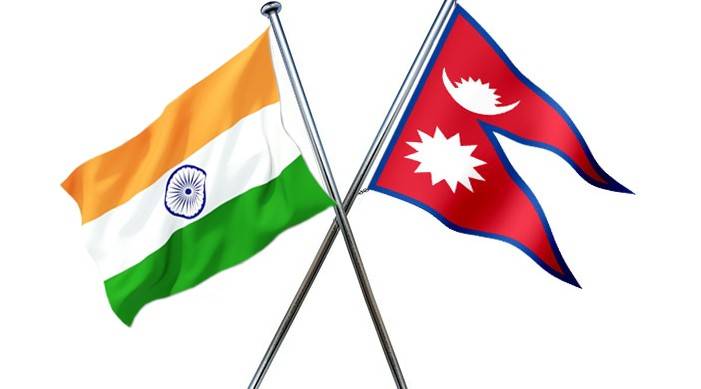
Senior immigration officials said an Indian Embassy delegation met Department of Immigration officials earlier this week to discuss the proposal. According to officials, the delegation responded positively and confirmed that the request had been forwarded to authorities in New Delhi for further consideration.
Officials from Nepal’s Home Ministry also said bilateral discussions have included proposals to establish formal mechanisms for recording cross-border travel data and improving the management of movement between the two neighbouring countries.
Nepal’s biometric National Identity card contains fingerprint data, facial images and iris scans. The programme was launched as a pilot project in Panchthar district and among government employees in 2009.
More than 4.5 million Nepali citizens have so far received the card, while nearly 20 million additional applications have been submitted.
“Although all Nepali citizens have not yet received the NID card, it is secure and technology-friendly. Therefore, we have proposed that India allow its use while travelling to and within India,” Tiwari said.
Citizens of India and Nepal currently enjoy visa-free travel between the two countries. Nepalese officials believe recognising the biometric NID card would provide a more convenient travel option for people who do not have immediate access to a passport or citizenship certificate.
Department of Immigration records show that around 150,000 Nepali citizens travelled to India last year, although comprehensive figures covering both land and air travel are not available.