Nepal is seeking to turn its location between India and China into an economic advantage by expanding trade, energy exports and connectivity with both neighbours…reports Asian Lite News Desk
Nepal wants to use its position between India and China to strengthen its economy, Foreign Minister Shisir Khanal said, outlining a strategy centred on deeper trade with India and improved connectivity with China.
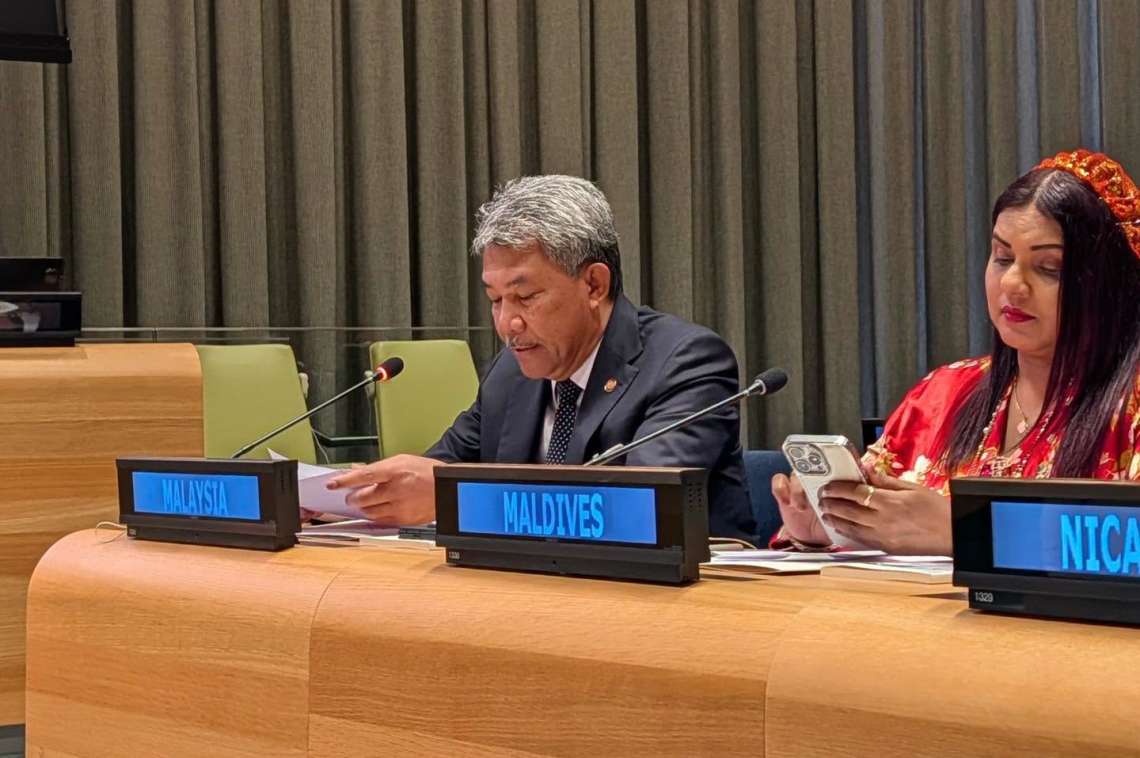
Speaking at an event in New York, Khanal said Nepal’s challenge in what he described as a rising Asian century was no longer simply about surviving between two major neighbours. Instead, he said the country wanted to create economic value from its geographical position and build links with the markets on either side of the Himalayas.
“We did not see our northern and southern corridors as competing directions,” he said. “We see Nepal land linked to two of the world’s largest markets, home to nearly three billion people.”
India remains a key part of Nepal’s economic plans, with Khanal highlighting the countries’ more than 1,700 kilometre open border with five Indian states.
He said Nepal saw scope for stronger connections between its domestic production and the Indian market. Hydropower was another area identified for growth, with Kathmandu seeking to increase electricity generation and export clean power to India and potentially onward to Bangladesh.
Khanal described the relationship with New Delhi under Nepal’s new government as “Excellent, I’d say.” He said he had met India’s external affairs minister in New York and pointed to recent high level visits and exchanges between the two countries.
Economic links between Nepal and India remain extensive. “Almost two third of our trade is with India,” Khanal said, adding that Nepal also depends heavily on routes through India to access ports.
He also pointed to the close cultural and social connections between the two countries. On border disagreements and the wider challenge of balancing relations with India and China, Khanal said the government was focusing on practical areas of cooperation.
“There would be issues” on which the neighbours differed, he said, but Nepal wanted to identify areas where progress could be made. He cited energy trade with India as an area where there had been positive momentum.
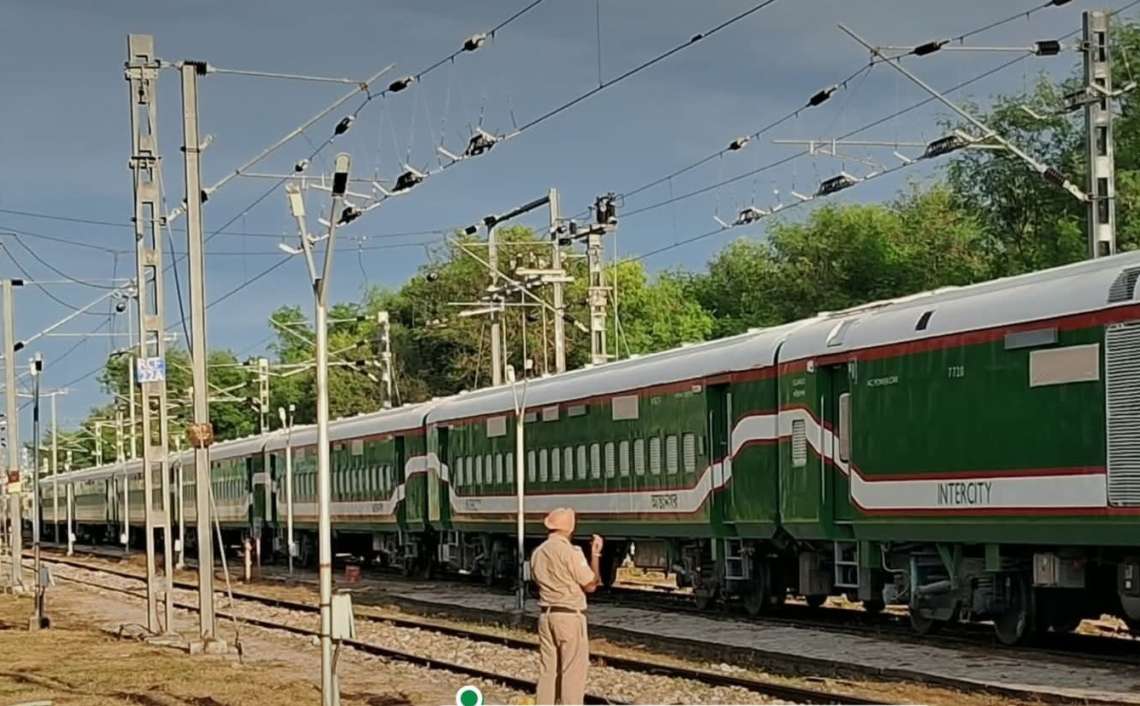
China is also central to Nepal’s plans to expand regional connectivity. Khanal said Kathmandu was seeking better road links across the Himalayas and envisaged rail connections with China over time.
He described China as Nepal’s second largest trading partner after India and said Chinese investors were among the biggest investors in the country.
Nepal signed a memorandum on China’s Belt and Road Initiative in 2017 and a framework agreement in December 2024, according to Khanal. However, he said projects under the framework had yet to begin implementation.
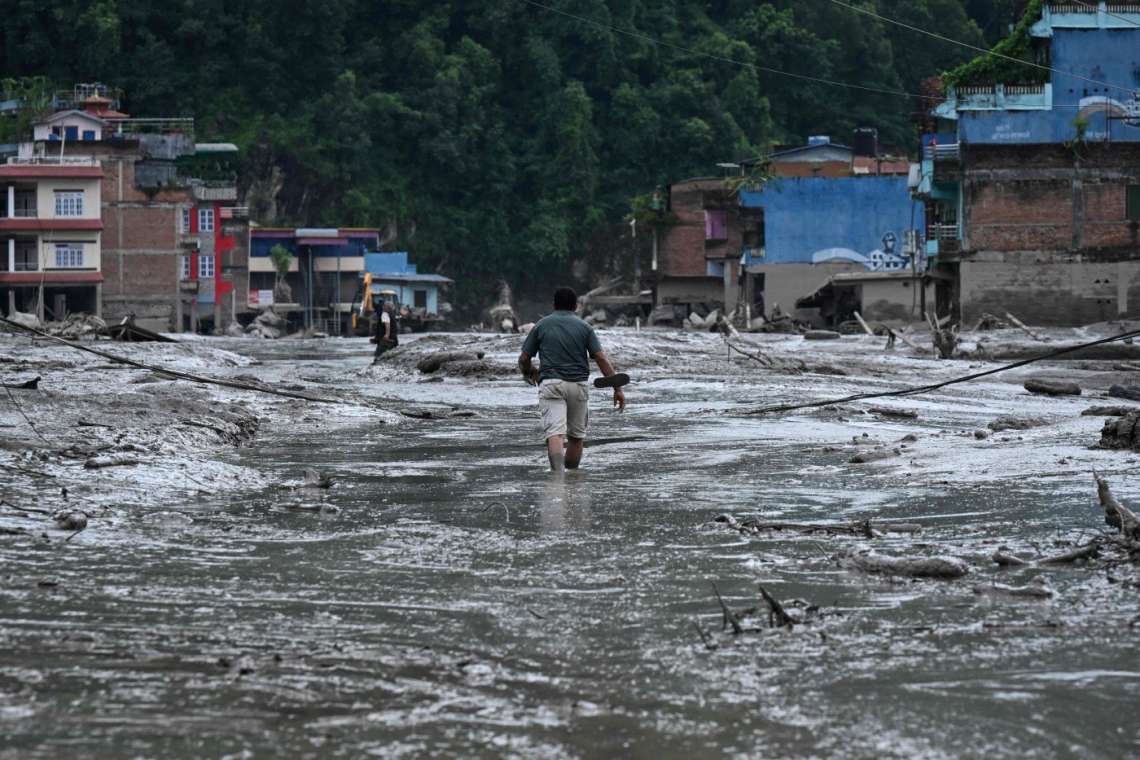
Alongside infrastructure and trade, Nepal is seeking cooperation with China on areas including glacial monitoring, disaster warning systems and climate adaptation.
Khanal described the broader approach as “development autonomy”, with foreign partnerships intended to strengthen Nepal’s productive capacity rather than simply provide external support.
He said Nepal aimed to achieve middle income status within 10 years and become a developed, high income country by 2050. Investment and international partnerships, he added, should ultimately contribute to domestic jobs and economic growth.
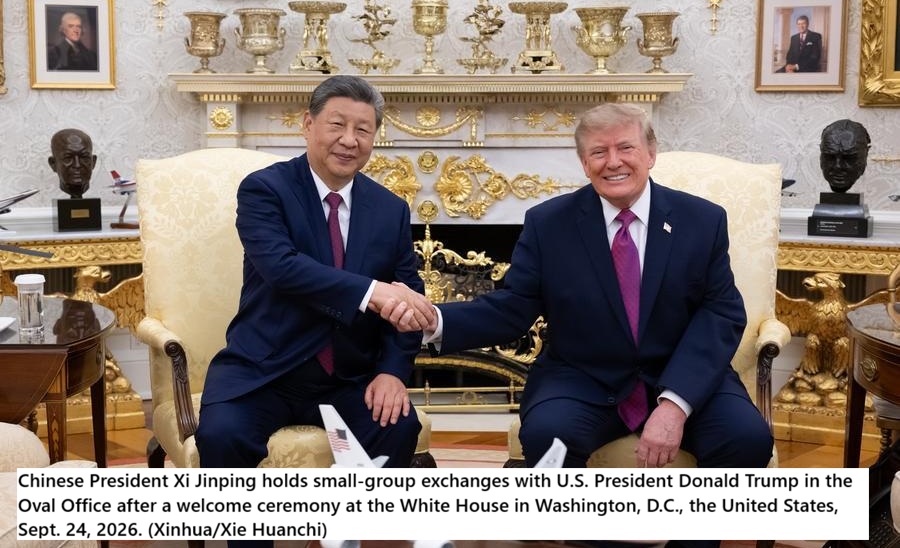
The United States also has a role in Kathmandu’s economic strategy, with Khanal saying Nepal wanted to attract more US investment and that exchanges between officials remained robust.
He said Nepal was not strongly pursuing security alliances or security cooperation because of its geography and sensitivities, although the two countries had cooperated on security issues in the past.
Khanal also connected Nepal’s economic ambitions with domestic governance reforms. He said young Nepalis had demanded action on corruption and poor public services, while the government was seeking investment alongside efforts to improve the functioning of the state.