The measure is being described as one of the most extensive administrative overhauls in Nepal in recent years…reports Asian Lite News
In a major administrative shake up, Nepal’s President Ram Chandra Poudel on Saturday issued an ordinance removing 1,594 political appointees from public institutions across the country in a single move.
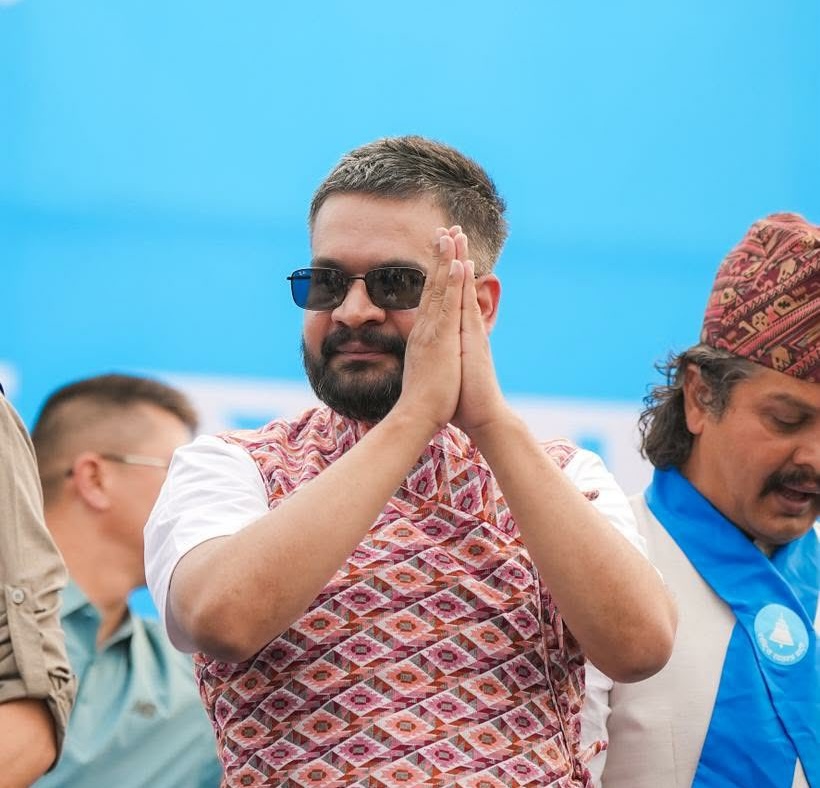
The ordinance, introduced on the recommendation of the Cabinet led by Prime Minister Balendra Shah, has triggered widespread disruption across Nepal’s administrative sector, with officials from universities, state owned enterprises, regulatory agencies, councils, boards, research institutions and media organisations losing their positions.
The measure is being described as one of the most extensive administrative overhauls in Nepal in recent years.
Under the “Ordinance on Special Provisions Relating to the Removal of Public Officials from Office, 2026”, all political appointments made before March 26 stand automatically terminated, irrespective of tenure, contractual benefits or terms of appointment.
“Notwithstanding anything contained elsewhere in prevailing laws, public officials appointed and currently holding office in public entities as per the schedule prior to March 26 shall be automatically removed from their respective positions upon the commencement of this ordinance,” the document stated.
The sudden dismissal of such a large number of officials has raised concerns over the functioning of key institutions, many of which have now been left without leadership.
The sweeping action follows the March 5 elections that brought the Rastriya Swatantra Party to power with a near two thirds majority in Nepal’s House of Representatives. Since taking office on March 26, the Shah led government has launched a series of aggressive reforms and administrative changes across multiple sectors.
Earlier, President Poudel had suspended a parliamentary session scheduled for April 30 on the recommendation of the government, a move that cleared the way for the ordinance to be introduced.
Several actions taken by the new government in recent weeks have sparked controversy. Among them was the forceful eviction of squatters living along Kathmandu’s riverbanks, where huts and makeshift structures were demolished.
Supporters of the government argued the operation was necessary to remove illegal encroachments by people falsely claiming to be landless, while promising rehabilitation for genuine landless families.
Critics, however, accused the government of carrying out evictions without adequate rehabilitation measures, leaving vulnerable families, including women, children and elderly residents, without shelter.
The government has also intensified investigations into financial crimes, with several influential businessmen arrested in connection with money laundering probes.
In addition, another ordinance aimed at amending Nepal’s Money Laundering Act has been introduced to make prosecution of high profile figures easier.
Former Prime Ministers K. P. Sharma Oli, Sher Bahadur Deuba and Pushpa Kamal Dahal are reportedly facing investigations linked to money laundering allegations.
At the same time, the government’s push for digital governance reforms and efforts to speed up public service delivery have drawn praise from sections of the public.