Prime Minister Balendra Shah is expected to call for climate finance, loss and damage support and greater international cooperation as Nepal faces mounting Himalayan risks….reports Asian Lite News Desk
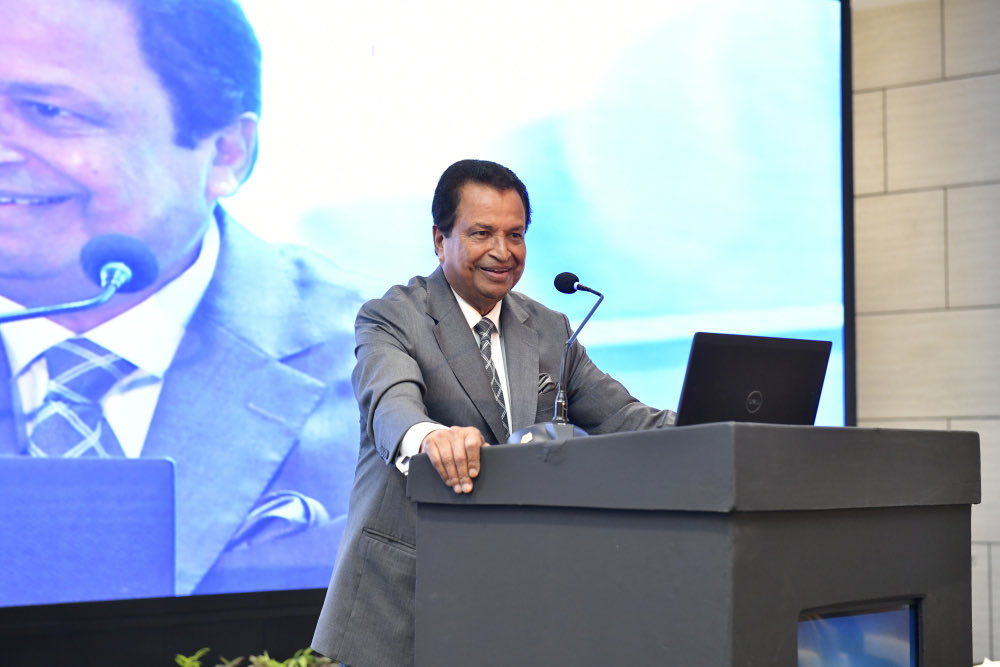
Nepal Prime Minister Balendra Shah is set to use his address to the United Nations General Assembly to highlight the Himalayan nation’s growing exposure to climate change and call for greater international support for recovery, climate resilience and disaster preparedness.
Shah, who is scheduled to address the 81st UN General Assembly in New York on Thursday, is expected to argue that countries such as Nepal, which contribute relatively little to global greenhouse gas emissions, are facing a disproportionate share of the consequences of a warming planet. The issue has gained added urgency following the devastating Bhotekoshi floods of August 26.
The visit is Shah’s first foreign trip since he became Prime Minister and comes as Kathmandu seeks to turn the impact of the disaster into a wider international campaign for climate finance, loss and damage support and stronger cooperation on Himalayan disasters.
According to reports, Shah will highlight the recurring loss of lives, livelihoods and infrastructure caused by climate related disasters and seek greater international assistance for recovery, reconstruction and climate resilience.
Nepal’s Foreign Minister Shishir Khanal has also called for long term support from the G7 and the wider international community for rehabilitation and reconstruction following recent disasters. A preliminary assessment has put the reconstruction requirement at more than $5 billion, with Kathmandu seeking greater access to climate finance, concessional resources and multilateral financial support.
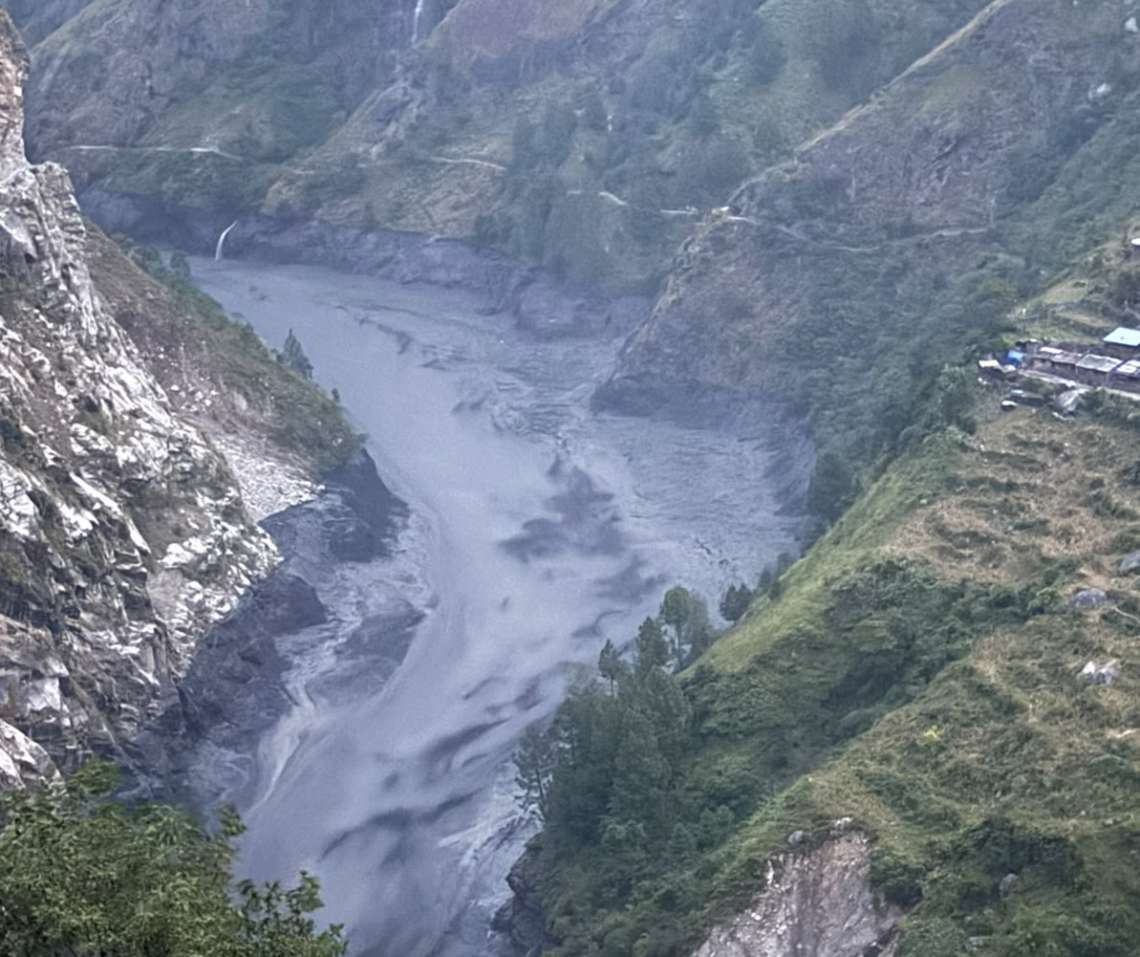
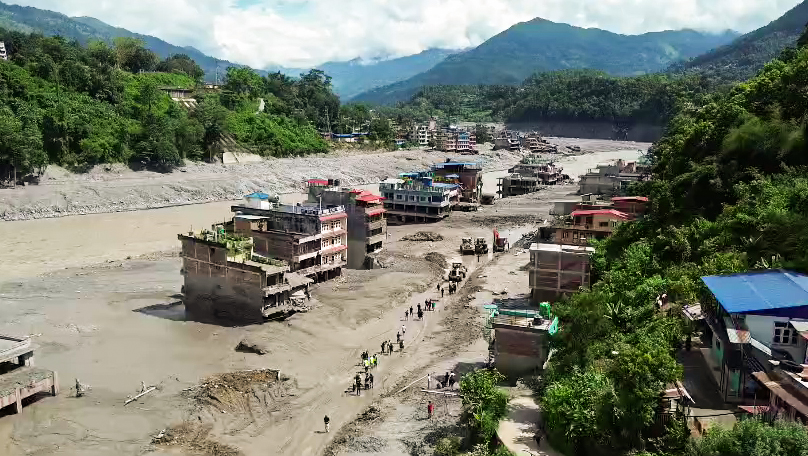
The August 26 disaster has provided a stark backdrop to Nepal’s appeal. A massive flood surge swept through the Bhotekoshi and Trishuli river systems after an ice, rock and soil mass failure in the Himalayan region, causing widespread destruction across several districts.

The disaster severely damaged homes, roads, bridges, hydropower facilities and other infrastructure. Nepalese authorities have continued search and rescue operations, with the latest official figures showing more than 1,400 deaths and thousands of people still missing.
Scientific assessments have pointed to a complex chain of events involving an ice, rock and soil collapse, a temporary blockage of the river and its subsequent breach. The disaster has intensified concerns about the vulnerability of Himalayan communities and infrastructure to increasingly severe climate and environmental risks.
Shah has previously described the Bhotekoshi disaster as climate change related and said the response should be treated as a global responsibility. He has also warned that rising temperatures in the Himalayan region are increasing risks from melting glaciers, swollen rivers, drying water sources and unpredictable weather patterns.
Nepal contributes only a small share of global greenhouse gas emissions but remains highly vulnerable to climate impacts because of its geography and dependence on climate sensitive sectors. Agriculture, hydropower, tourism and water resources are particularly exposed to changing weather patterns and environmental conditions.
Kathmandu has increasingly raised the issue on international platforms, including the UN General Assembly and UN climate conferences, while calling for greater attention to the ecological risks facing the Himalayas.
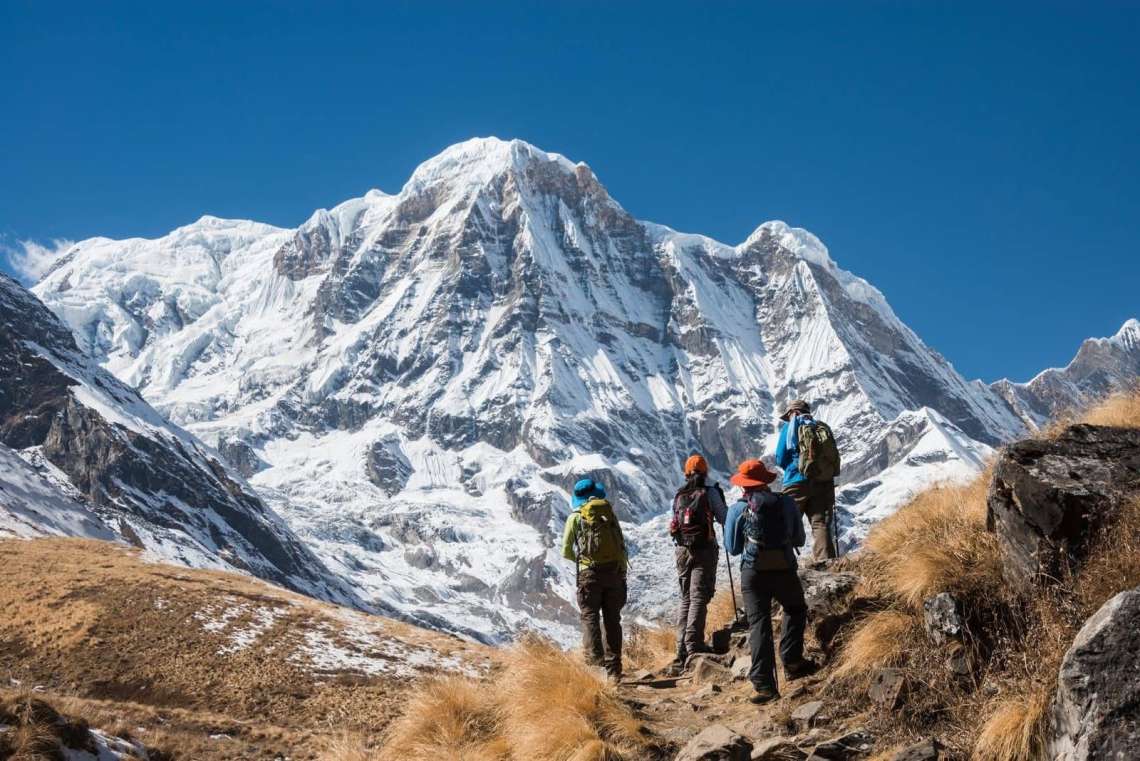
The Hindu Kush Himalayan region, often referred to as the “Third Pole” because of its extensive reserves of snow and ice outside the polar regions, is a major source of water for large populations across Asia. Changes in glaciers, river systems and mountain ecosystems therefore have implications extending beyond Nepal’s borders.
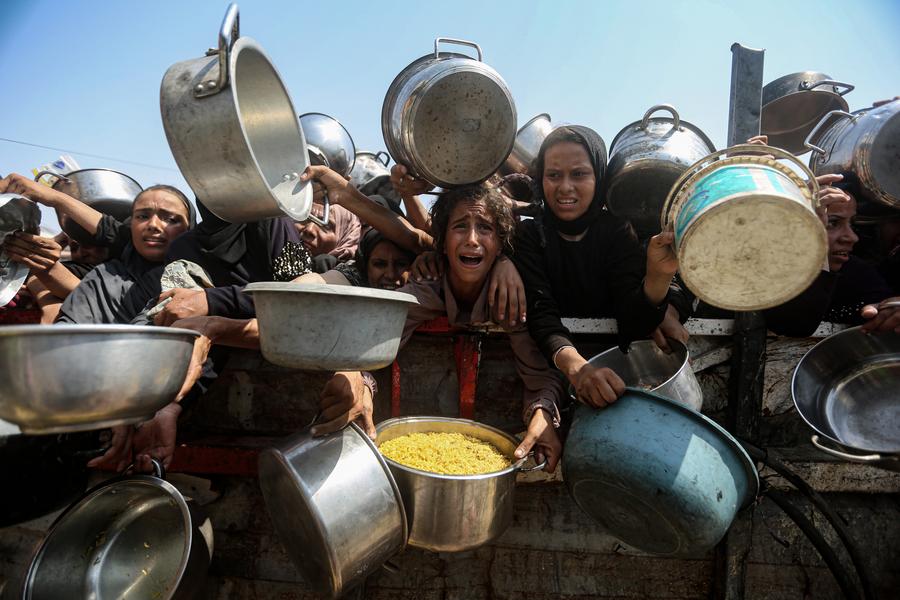
The Bhotekoshi disaster has also highlighted the economic risks associated with extreme weather. The flooding damaged hydropower projects and other infrastructure, while communities dependent on agriculture, tourism and local trade suffered major losses. The UN’s Food and Agriculture Organisation said the disaster affected an estimated 32,960 people across six districts, with crops, livestock and productive assets among those damaged.
Shah is expected to use his UN appearance to press for stronger international cooperation on climate adaptation, disaster preparedness and financing for vulnerable countries, while drawing attention to the wider risks facing the Himalayan region.