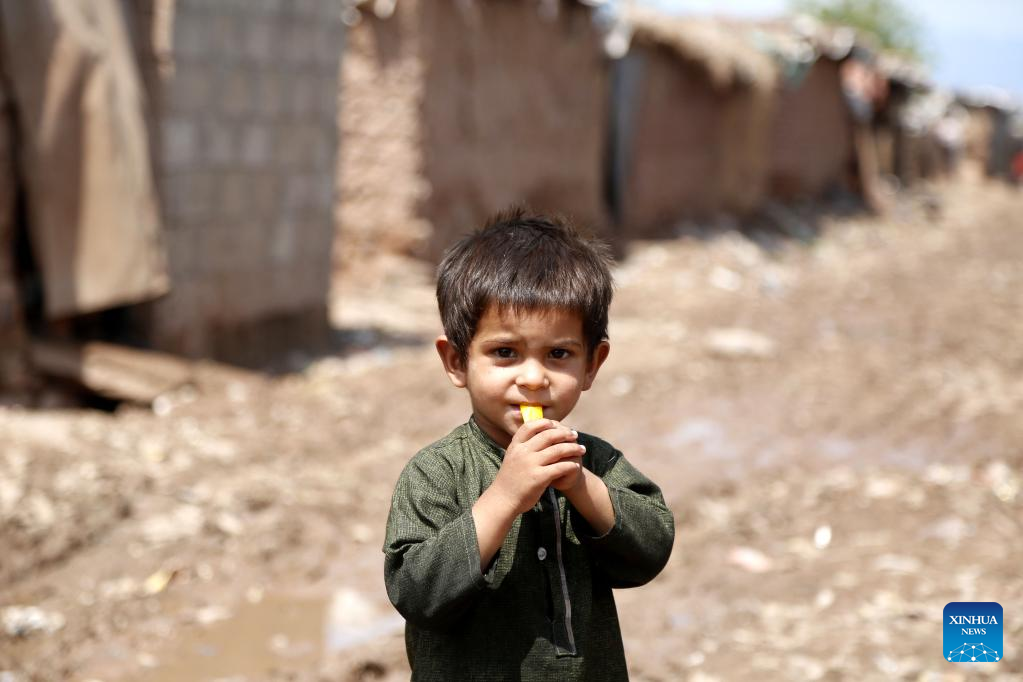
Global forced displacement has fallen for the first time in a decade, driven by record numbers of refugees and internally displaced people returning home during 2025…reports Asian Lite News Desk
The number of people forcibly displaced worldwide has fallen for the first time in a decade, according to the latest figures released by the United Nations High Commissioner for Refugees (UNHCR), although fresh conflicts continue to create new humanitarian emergencies.
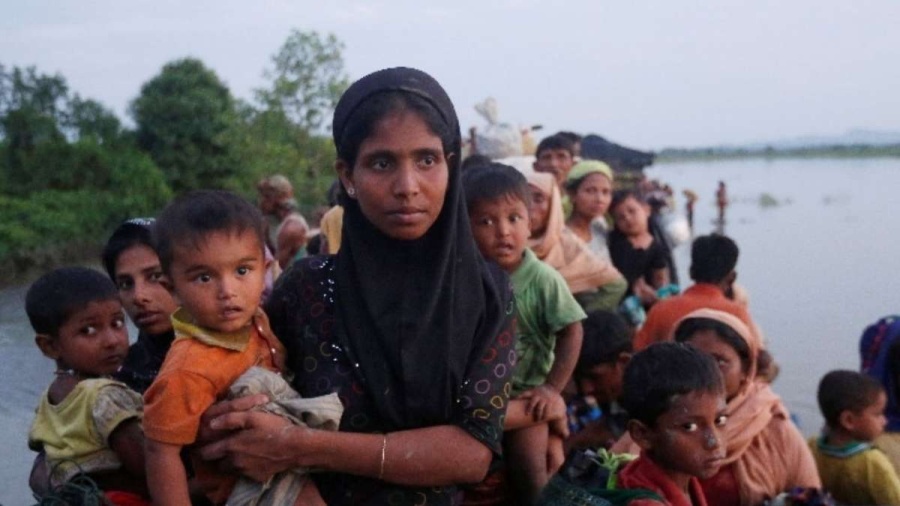
The UNHCR reported that at least 117.8 million people, equivalent to one in every 70 people globally, remain forcibly displaced from their homes. While the overall number declined by about 4 per cent in 2025, the agency said the reduction reflects an unprecedented wave of people returning home rather than an end to conflict.
According to the report, the fall was driven by large-scale returns of refugees and internally displaced people from some of the world’s largest displacement crises. It marks the first annual decline in global forced displacement since 2015.
Despite that progress, the UN warned that new emergencies continue to emerge. Lebanon has experienced a rapidly expanding displacement crisis since the US-Israel war on Iran began in late March 2026. Israeli attacks have displaced more than one million people, while a further 3.2 million people have been internally displaced inside Iran.
Of the world’s forcibly displaced population, 68.6 million people are internally displaced within their own countries because of conflict or other crises. A further 28.5 million refugees fall under the UNHCR’s mandate, while nine million are asylum seekers awaiting decisions on their applications for international protection.
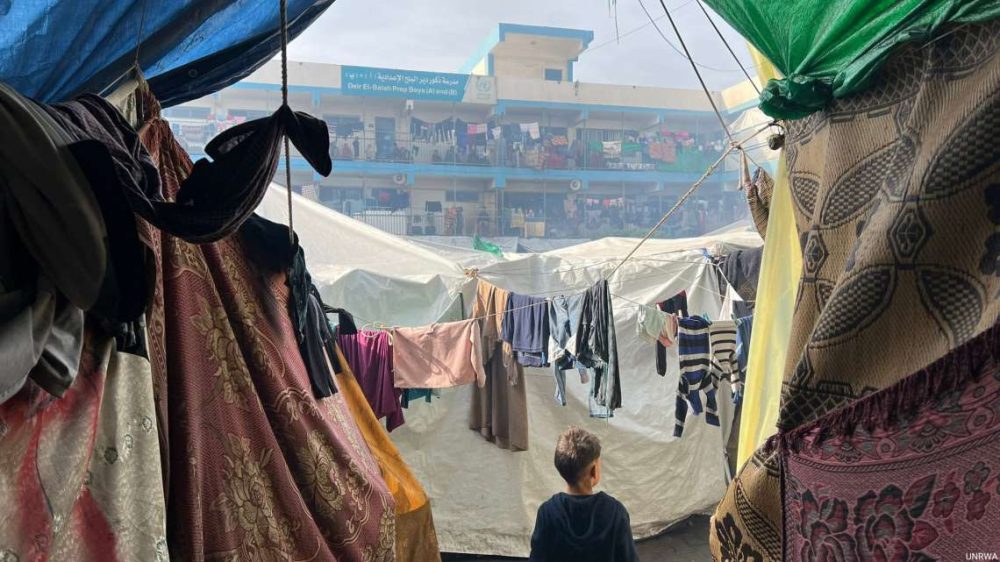
The report also recorded 7.2 million people in need of international protection and six million Palestinian refugees registered under the mandate of the United Nations Relief and Works Agency for Palestine Refugees in the Near East (UNRWA).

Nearly three-quarters, or 72 per cent, of all refugees originate from just seven countries. Venezuela remains the largest country of origin with 6.4 million refugees, followed by Palestine with six million, Ukraine with 5.2 million, Syria with 4.9 million, Afghanistan with 3.7 million, Sudan with 2.8 million and South Sudan with 2.4 million.
Under international law, refugees are people who are forced to flee their home countries because of persecution or a serious threat to their life, physical integrity or freedom.
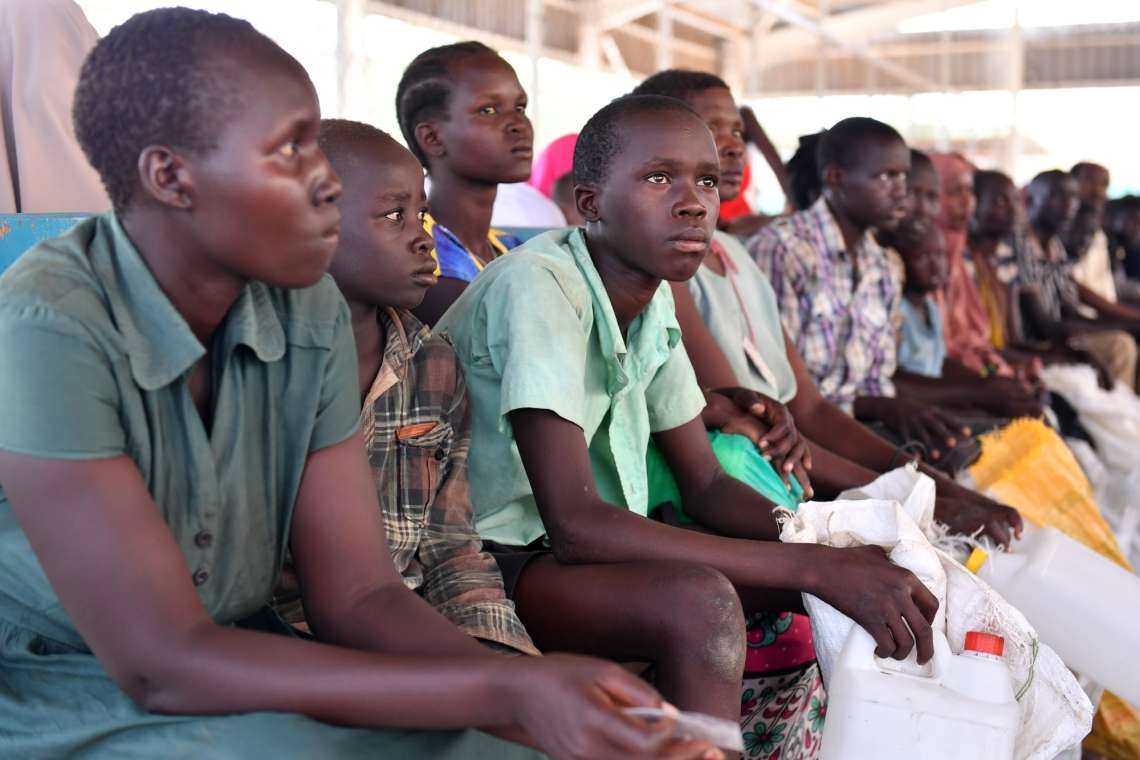
The report also highlights that refugee hosting remains concentrated in a relatively small number of countries. Colombia hosts the largest refugee population, at 2.8 million, followed by Germany with 2.7 million and Turkiye with 2.4 million. Uganda hosts 1.9 million refugees, Iran 1.7 million, Chad 1.5 million and Pakistan 1.3 million.
Around 65 percent of refugees and other people requiring international protection continue to live in countries neighbouring their places of origin. Nearly all refugees in Iran and Pakistan are from Afghanistan, while Syrians make up the largest refugee population in Turkiye. Most refugees in Colombia come from Venezuela, while Germany hosts significant numbers from Ukraine, Syria and Afghanistan. Uganda primarily hosts refugees from South Sudan, and Sudanese refugees form the largest displaced community in Chad.
The UNHCR also places current displacement in a historical context. When the Refugee Convention was adopted in 1951 following the Second World War, there were about 2.1 million refugees worldwide. Refugee numbers exceeded 10 million by 1980 and doubled to more than 20 million by 1990 as conflicts in Afghanistan and Ethiopia intensified.
Numbers remained relatively stable for the following two decades before rising sharply after the wars in Afghanistan and Iraq, followed by conflicts in South Sudan and Syria. By the end of 2021, global refugee numbers had exceeded 30 million. Russia’s invasion of Ukraine in 2022 created one of the fastest-growing refugee crises since the Second World War, while conflict in Sudan and the war in Gaza added further pressure in subsequent years.
One of the report’s most significant findings is the sharp increase in returns during 2025. More than 14.7 million refugees and internally displaced people returned home, representing a 50 per cent increase over 2024 and the largest wave of returns ever recorded by UNHCR.
Some 92 per cent of those returns were concentrated in six countries: the Democratic Republic of the Congo, Sudan, Syria, Afghanistan, Ukraine and Myanmar.
However, the UNHCR cautioned that many returns occurred under fragile conditions, with people returning to areas still affected by violence and instability. The agency warned that while increasing returns are encouraging, they do not necessarily indicate that displacement crises have been fully resolved or that those returning can do so safely.